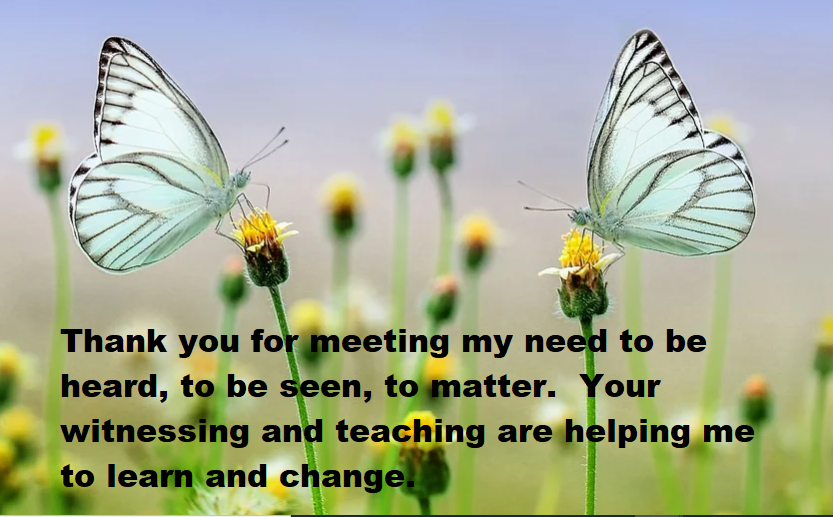
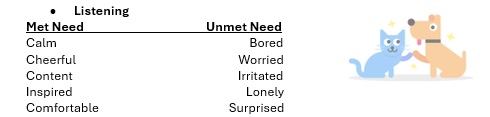
Listening is an action of hearing the sounds in the surroundings. This includes other people’s voices. Hearing what others are saying is a way to get to know what is important to them and to learn from them.
Remember Dialogues definition from last week:
Dialogue is a conversation with others that increases understanding, addresses problems, and questions thoughts and actions.
Dialogue and Listening are needed to have a balanced conversation of meaning. This balance brings success and achievement for all in relationships equally. When someone speaks they are leading the conversations and the listener is following.To have equality the speaker becomes the listener. This means the listener becomes the speaker.Leadership is a balance of giving and receiving in dialogue.
This pattern was developed from a talking circle. The format was to go around and ask each participant what the focused value word meant to them. Sometimes a definition from the dictionary was read out first. People often did not know the definition meaning. ‘Renee Lindstrom’
I do not often use the word addictions. Only recently have I used it in my posts. I don’t let it influence my personal or group lessons. It is such a distracting word with so many changing definitions and a word that is normally very personal to the person speaking it into life, or listening to someone else speaking it to life. What I focus on is the instinct that turns one towards an addictive quality. For me the instinct is triggered by survival. An easy example is sex. Sex is a basic need in the base level of needs along with water, food, shelter, air. If someone is operating under anxiety, stress, fear, or anger emotions it will trigger an instinctual reaction. In this example it would be self soothing through basic intercourse without much meaning, other than relief. However, the urge in the gut is often still there during and after. If one increases sleep patterns, eats healthy, and starts to experience self fulfilling needs being met, including meaningful relationships, the instinctual need to self sooth shifts as the survival instinct diminishes. This doesn’t mean one loses their sex drive, it just shifts it into more meaningful interactions. This self soothing example can be replaced with the actions of gambling, drinking, drugs, smoking, food, etc. Often the focus is on the label – addiction, which can shift the mind focus to the past behaviour, memories, or blaming and shaming self and others. If one can capture the moment, there is a felt sense of the instinct that is felt prior to going into the habit of reacting to it. This is a moment to observe what just happened. (Something is happening in the moment of the trigger.) This can be the point of change. Notice the trigger and instead of going into the strategy for self soothing, one can process the trigger and create inner balance. This is an important skill development. Leaving it unchecked creates a type of random chaos either by oneself, or others who have clued in on how to keep one in the agitated state. (Yes, common strategy for others is to redirect someone’s focus of attention to get their own needs met). The person who introduced this to me, Dr. Marshall Rosenberg, Ph.D., used an example of eating. Often when people become uncomfortable, they will reach for food. He would suggest the person reaching for food to stop and ask themselves if they are hungry, or if something else was instead gnawing at them. Usually, they are not hungry, and this pause to check in is enough to shift the experience to talking about whatever it is that instigated the action of reaching for food. It could be as simple as being asked an uncomfortable question. The trigger is inner conflict. If you disagree with someone, it can cause inner conflict. If you hear a hard to hear message, it can create inner conflict. If someone tries to control you it can cause inner conflict. etc., etc.
LEARNING OPPORTUNITIES:
Learning opportunities:
Integrating personal and group values to create a point of connection in relationships and environment
Introduction to transforming reactions into value focused connections
Integrating values through intention
Integrating values through the environment
Somatic Movement to increase physical, mental, and emotional function, health and wellbeing
Clarity of Environmental Stimulus to reduce blocks to health and wellbeing
Feldenkrais®, Feldenkrais Method®, Awareness Through Movement®, Functional Integration®, are registered service marks of the Feldenkrais Guild® of North America. Feldenkrais Method®
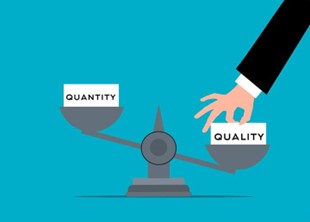
In relationships it is the quality in the experience that creates the space for someone to present as their best selves. Any type of relationship. This means that there are the attributes of respect, acknowledgement, appreciation, cooperation, participation, equality, fairness, trust, stability, to be seen to be heard, to be valued, responsibility, integrity, balanced give and take, empathy, compassion, kindness, equal giving and receiving, clarity, understanding, patience, acceptance, etc., etc. These above attributes are not a part of the interactions, or in the relationship overall if one dominants to get their needs met on the backs of others. The above attributes create inner connection and connection with others and in their absence, an environment of conflict is stimulated inside and outside. A lack of these attributes creates ill health and shifts the focus of attention into survival, fight or flight. If one is not heard, seen or valued chronically it can increase the ill health mentally, emotionally, physically, in the space and out into groups, and the community. Only someone who lacks these qualities in themselves, ie. lack of self respect, self appreciation, and self accountability, etc., would treat others with this base note behaviour. Why, if you respect yourself, you can respect others. If you hold yourself accountable, you will hold others accountable etc. It creates a value in the space surrounding you that people enter into. Time is better spent and more productive and efficient. People are speaking creativity and with innovation. Which direction is your motivation taking you and those around you? Are you elevating people into being their best self or are you dragging them down into your possible jealousy, hatred and greed?
Learning opportunities:
Learning opportunities:
Integrating personal and group values to create a point of connection in relationships and environment
Introduction to transforming reactions into value focused connections
Integrating values through intention
Integrating values through the environment
Somatic Movement to increase physical, mental, and emotional function, health and well being
Clarity of Environmental Stimulus to reduce blocks to health and wellbeing
Feldenkrais®, Feldenkrais Method®, Awareness Through Movement®, Functional Integration®, are registered service marks of the Feldenkrais Guild® of North America. Feldenkrais Method®
Being the one who is broken up with can be the most challenging and chaotic as the minds condition has no choice but to go into what it has been trained to do. Such as:
Blaming & Shaming
Right & Wrong Thinking
Make moral judgments
and more…..
I have been there myself. I have experienced the open darkness of pain where it feels like there is a tear in the fabric of my reality. When I sought out support and empathy whether it was professional or in my personal friend group I wasn’t thrown the kind of lifeline for my grief and regret that steered me through the depth of emotions. Rather it added to the chaotic thinking emotions and increased the effort to sort out. Recently in the midst of supporting someone else’s break up I had a moment where I considered how much I would have benefited to have someone support me with this type of feedback, while recognizing this will have to be repeated until the chaos of the mind training settles and one can enter more permanently into the experience of sadness and forgiveness that is the letting go process.
When I listen to you I am taken into your story of regret and grief. I hear that you are replaying events in your mind thru the lens of pain you’re feeling now stimulated by this break up. Replaying events is part of the grieving process, however I encourage you to be aware that the need in the moment you made those choices then is far different than the one now. The present need is based on this current event and it cannot go back and preside over past events.
The current event is stimulating your pain body and your memories are surfacing. Putting attachment to them by going into assessing and criticizing yourself is feeding the pain your feeling. These thoughts are false realities. The truth is that in this moment you’re a feeling deep sorrow and pain as you experience this loss.
Awareness Through Communication
1st Level – Getting Started (Introduction & Pattern)
For me it is an experience of one merging their pain with an others.
Going into sympathy reflects merging old pain together with an others circumstances.
Let me explain.
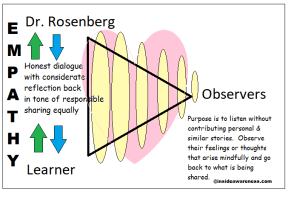
In a circle with Dr. Marshall Rosenbergin 2004, he began demonstrating a deepened empathy pattern and I found myself curious about how some of us in the circle were independently holding the space and others where crying in sorrow. I asked an advanced trainer who had worked with Dr. Rosenberg for many years about the differences in experience. I was told that those who were not sobbing didn’t have a similar pain as the person who was receiving empathy. Those who were had that same abuse in their lifetime that stimulated old pain. Fortunately this intensive was to transition from moral judgments and right and wrong thinking. This explanation was shared with clarity and as a matter of fact. What I learned was that those identifying with the pain had an opportunity to heal themselves in witnessing the resolution in the person who was receiving empathy from Dr. Rosenberg. The key was to feel their pain rise up and let their thoughts rest. The skill was to resist going into their own story that would hijack the circumstances away from the speaker. I call this the ultimate witnessing ability. (This is when you can stop yourself from hijacking someones story away from them and making it about you.)
Empathy practice, the NVC way, is to fully hear what someone is saying without interpreting it back through your past experiences and personal perspectives. The only way someone is going to feel seen and heard is if you are able to listen to their words while being attentive to what you are hearing. The following ways of habitually listening are not empathetic, instead they challenge the speaker.
Comparisons – telling your perspective or someone elses
Being an authority
Moral Judgments – no right and wrong, not speaking to what’s wrong with someone
Assessments
Diagnosis
Labeling
Criticizing
Coming up with solutions
Asking questions – your job is to listen, not understand
Dr. Marshall Rosenberg, Author or Nonviolent Communication
NVC – Nonviolent Communication
Book a personalized session for self, work or group 250-361-7508
This desk corner is about abundance. Abundance in finances, investments, and resources. For me it also represents abundance in the quality of experiencing life and relationships that includes the cycle of giving and receiving. An example is the balance of giving and taking. If wealth is from natural resources the question to consider is in the equal contribution back to restore and maintain balance and the quality of nature and the environment. In other words, is only taking and not giving back?
3 Wealth Corner Tips:
Declutter and open up space in this corner
Add blue, purple, and red colours
Add objects reflecting moving water such as fish (3), picture, or fountain
INQUIRE ABOUT Value Based Integration into the Workplace, Life & Empathy Relationships Coaching
Integrative experience for physical, mental and emotional wellness
Find out more on how integrating the arts of movement, communication and space compliment your experience and encompasses a holistic approach to wellness in your space










 For me it is an experience of one merging their pain with an others.
 I was told that those who were not sobbing didn’t have a similar pain as the person who was receiving empathy. Those who were had that same abuse in their lifetime that stimulated old pain. Fortunately this intensive was to transition from moral judgments and right and wrong thinking. This explanation was shared with clarity and as a matter of fact. What I learned was that those identifying with the pain had an opportunity to heal themselves in witnessing the resolution in the person who was receiving empathy from Dr. Rosenberg. The key was to feel their pain rise up and let their thoughts rest. The skill was to resist going into their own story that would hijack the circumstances away from the speaker. I call this the ultimate witnessing ability. (This is when you can stop yourself from hijacking someones story away from them and making it about you.)