
Movement in Lived Function
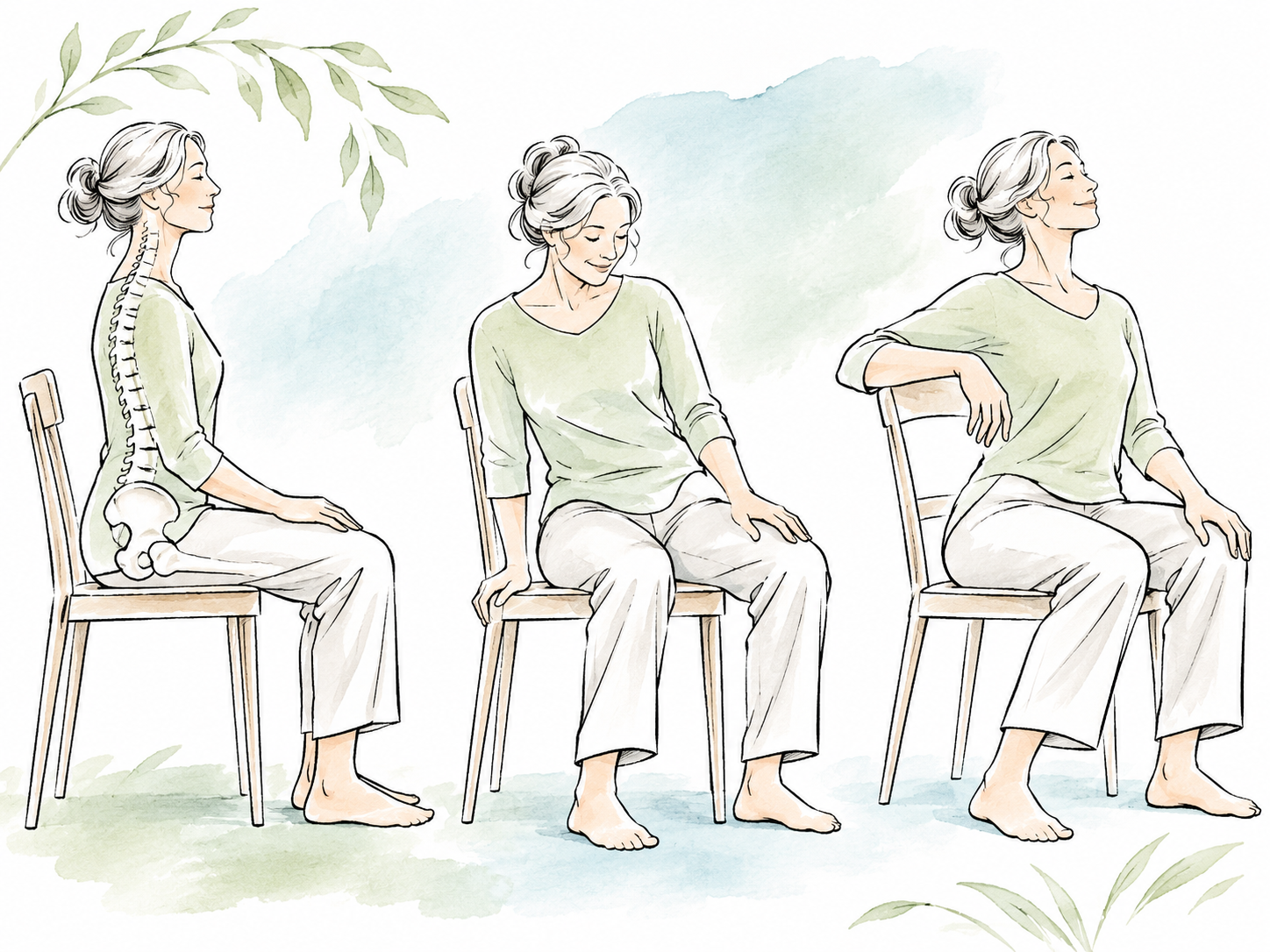
Discovering Movement Through Guided Experience
Movement is something we participate in throughout our lives.
Yet many people have never had the opportunity to explore how their bodies organize the familiar actions of sitting, standing, walking, turning, reaching, and breathing.
Inside Awareness offers guided movement experiences that invite participants to become curious about these relationships.
The explorations introduce opportunities to recognize skeletal support, balance, counterbalance, coordination, and the influence of everyday environments.
Participation does not require previous experience in movement education, fitness, yoga, or other body-awareness practices.
The invitation is to begin with the movement that is available and discover what may become recognizable through exploration.
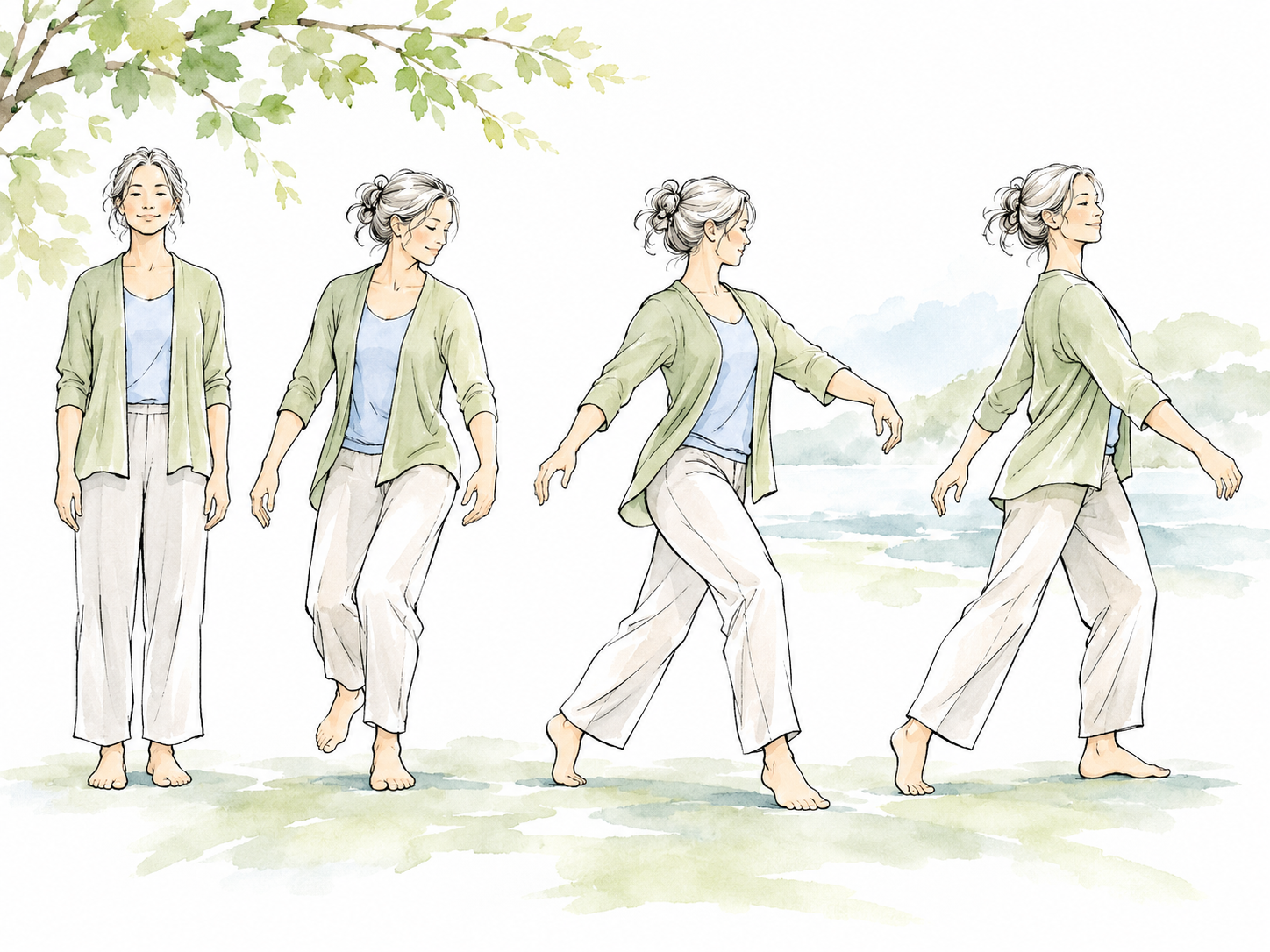
01 — Group Movement Explorations
Awareness Through Movement® and Guided Patterns for Lived Function
Group explorations introduce opportunities to discover movement relationships through gentle, guided experiences.
Participants are invited to notice how movement begins, where weight is supported, how different parts of the body participate, and what changes as familiar actions are explored.
Lessons may involve movement while lying, sitting, standing, or walking, depending on the intention and circumstances of the group.
The focus is not on performing movements correctly or achieving a particular range of motion.
Small, comfortable variations and opportunities to pause offer time for sensory recognition.
Participants are encouraged to explore within their own abilities rather than compare themselves with others.
Areas of Group Exploration
Inside Awareness movement series include:
- Balance and a Fear of Falling: Discovering skeletal support, weight transfer, balance, counterbalance, and functional transitions.
- The Skeleton in Breathing: Exploring relationships among the ribs, shoulders, spine, pelvis, neck, and head.
- Jaw, Neck, and Shoulder Relationships: Recognizing how movements of the jaw, eyes, tongue, shoulders, and neck may influence one another.
- Transitional Movement Patterns: Exploring rolling, sitting, standing, stepping, turning, and changing directions.
Other lessons develop through the changing interests and experiences of participants.
Group learning offers opportunities to explore individual experiences within a shared educational environment.
Everyone may be following the same movement invitation while discovering something different.
02 — Individual Movement Sessions
Functional Integration® and Personal Exploration
Individual sessions offer personalized attention to movement patterns, functional interests, and the relationships that may be influencing everyday activities.
Functional Integration® is the individual, hands-on educational form of the Feldenkrais Method.
Through gentle touch and guided movement, participants are invited to become more familiar with how different parts of the body relate to one another.
Sessions may explore familiar activities such as sitting, standing, walking, reaching, turning, and changing positions.
Attention may also be given to movement patterns that have become uncomfortable, effortful, unfamiliar, or difficult to organize.
Learning Through Individual Experience
Rather than beginning with an expectation of how someone should move, individual explorations begin with recognizing what is available.
Small movements may introduce opportunities to sense skeletal support, weight transfer, and coordination.
An exploration of the hand or shoulder may offer new awareness of the neck and ribs.
A change in foot placement may influence how someone experiences standing or turning.
Participants may recognize differences immediately or become aware of changes while returning to ordinary activities afterward.
Each session develops in response to the individual’s experiences, abilities, and interests.
The intention is educational: to nurture awareness of movement relationships and discover possibilities for greater ease and functional choice.
The learning begins with the person and the movement they are experiencing, rather than a predetermined correction.
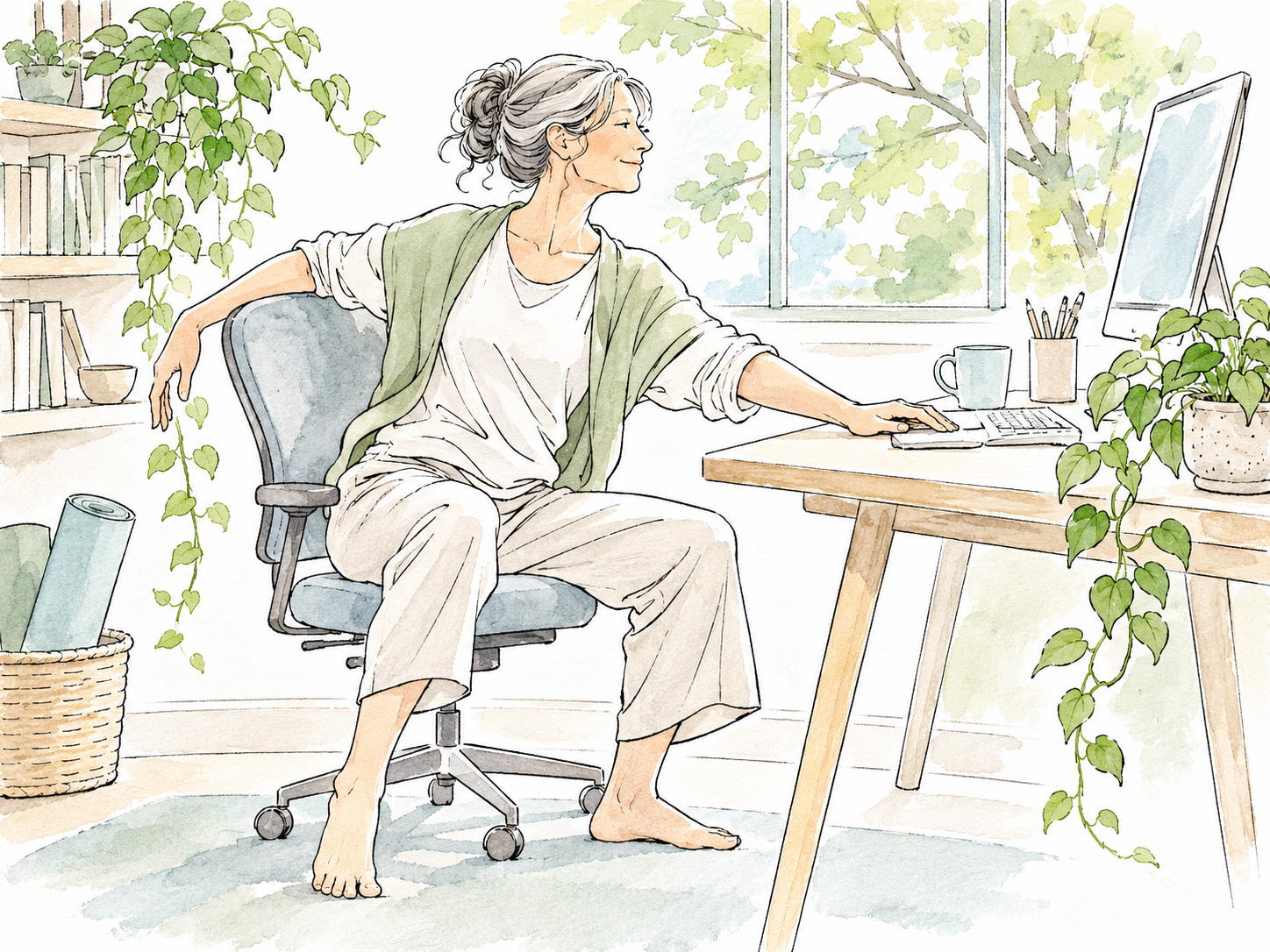
03 — Movement in Everyday Environments
Somatic Ergonomics and Functional Participation
Our daily environments continually influence how we sit, stand, reach, move, and organize ourselves.
Furniture, workspaces, tools, household arrangements, pathways, and architectural features introduce physical relationships that can become so familiar we rarely notice them.
Inside Awareness Somatic Ergonomics explorations invite recognition of these relationships through lived experience.
The focus extends beyond arranging furniture or maintaining a prescribed posture.
Participants are invited to discover how their bodies participate within the spaces they use.
Everyday Movement Explorations
A familiar chair can become an opportunity to discover flexible sitting, skeletal support, and small shifts of weight.
A desk or computer workstation may introduce inquiries into reaching, arm support, shoulder movement, and the relationship between the head and spine.
Standing up from a chair can become an exploration of weight transfer and counterbalance.
Walking through a hallway or turning a corner may introduce opportunities to recognize foot placement, direction, and rotational movement.
These are ordinary experiences that can become increasingly meaningful through conscious attention.
Environment, Movement, and Relationship
The physical environment influences the possibilities available for movement.
Different surfaces, furniture arrangements, and pathways may invite different patterns of support and coordination.
Through guided inquiry, participants can recognize how familiar environments influence their experiences and explore alternatives without assuming that one arrangement or movement pattern is right for everyone.
These explorations can be relevant to homes, workspaces, educational environments, and everyday living.
They may also connect with Walking with Inner Awareness, where changing natural surroundings introduce further opportunities to sense movement, balance, and orientation.
The intention is to discover how we are participating within our environments and what additional movement possibilities may be available.
A Learning Experience That Continues
The three participation pathways are connected through a shared educational intention.
Group lessons introduce guided movement explorations within a shared setting.
Individual sessions provide opportunities for personalized somatic learning.
Movement in Everyday Environments brings attention to how those discoveries may participate in ordinary activities and surroundings.
Participants can enter through whichever pathway is meaningful to them.
These are not progressive levels or requirements for developing movement awareness.
The learning can continue whenever we recognize how we are sitting, standing, walking, breathing, reaching, or changing direction.
An experience may be revisited.
A familiar movement may reveal another possibility.
A small discovery may influence how we participate in an everyday activity.
Movement in Lived Function invites us to discover greater familiarity with ourselves through the experiences of moving and living.
Exploring Participation
Individuals and groups interested in movement education are welcome to connect with Inside Awareness to explore current opportunities for group lessons, individual sessions, and somatic movement inquiry.
side Awareness | Renee Lindstrom
Awareness Through Movement® and Functional Integration® are educational practices of the Feldenkrais Method. Transitional Movement and Somatic Ergonomics reflect the integrated educational perspective developed through Inside Awareness.

