
Discovering Movement Through Everyday Experience
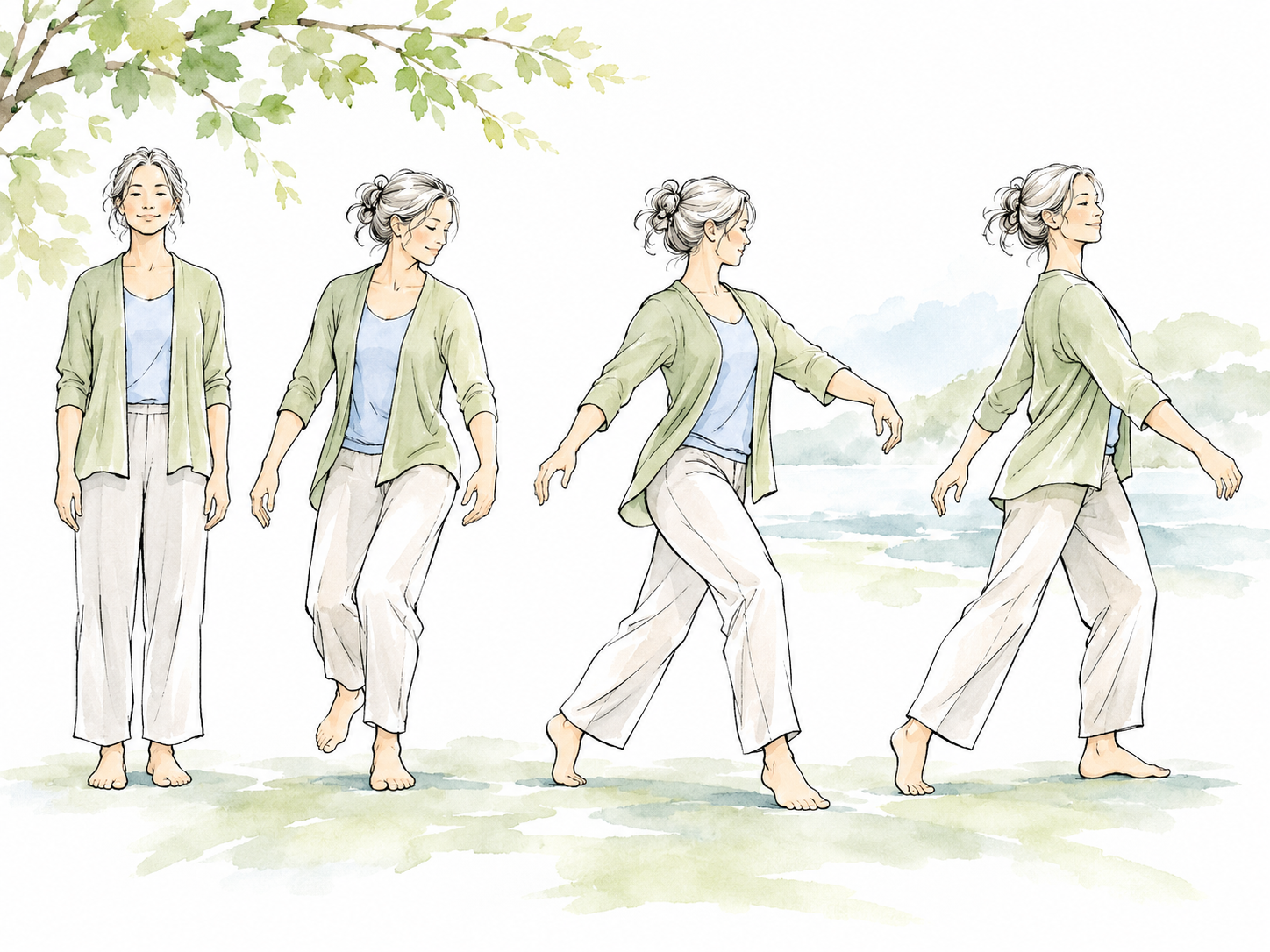
Guided Patterns for Lived Function
Movement is part of every moment of living.
Sitting, standing, walking, turning, reaching, breathing, and communicating involve changing relationships throughout the body.
Many of these movements become so familiar that we rarely consider how they happen.
We may recognize when a movement becomes uncomfortable or difficult without being aware of the many relationships participating in the action.
The Inside Awareness movement explorations introduce opportunities to discover these relationships through direct sensory experience.
Rather than beginning with what the body should be doing, we begin by becoming curious about what is already happening.
How is my skeleton supported?
Where is my weight resting?
What changes when I move?
How do different parts of my body participate together?
These inquiries introduce opportunities for conscious recognition of movement, support, coordination, and the influence of our surroundings.
The intention is not to correct movement or perform an exercise perfectly. It is to discover how movement is organized and explore possibilities for greater ease and functional choice.
01 — Feldenkrais®
Awareness Through Movement® and Functional Integration®
The Feldenkrais Method offers a somatic educational approach to discovering movement through sensory awareness and guided exploration.
Developed by Dr. Moshe Feldenkrais, the method introduces opportunities to recognize habitual movement patterns and explore alternative ways of organizing movement.
Through gentle, often small movements, participants can begin noticing relationships among the skeleton, gravity, muscular effort, balance, and coordination.
The intention is not to imitate an ideal movement or force the body toward a particular position.
Instead, attention is directed toward the experience of moving.
Discovering Movement Through the Skeleton
Our skeleton provides support and participates in transferring weight and movement throughout the body.
Yet many people have little conscious familiarity with these relationships.
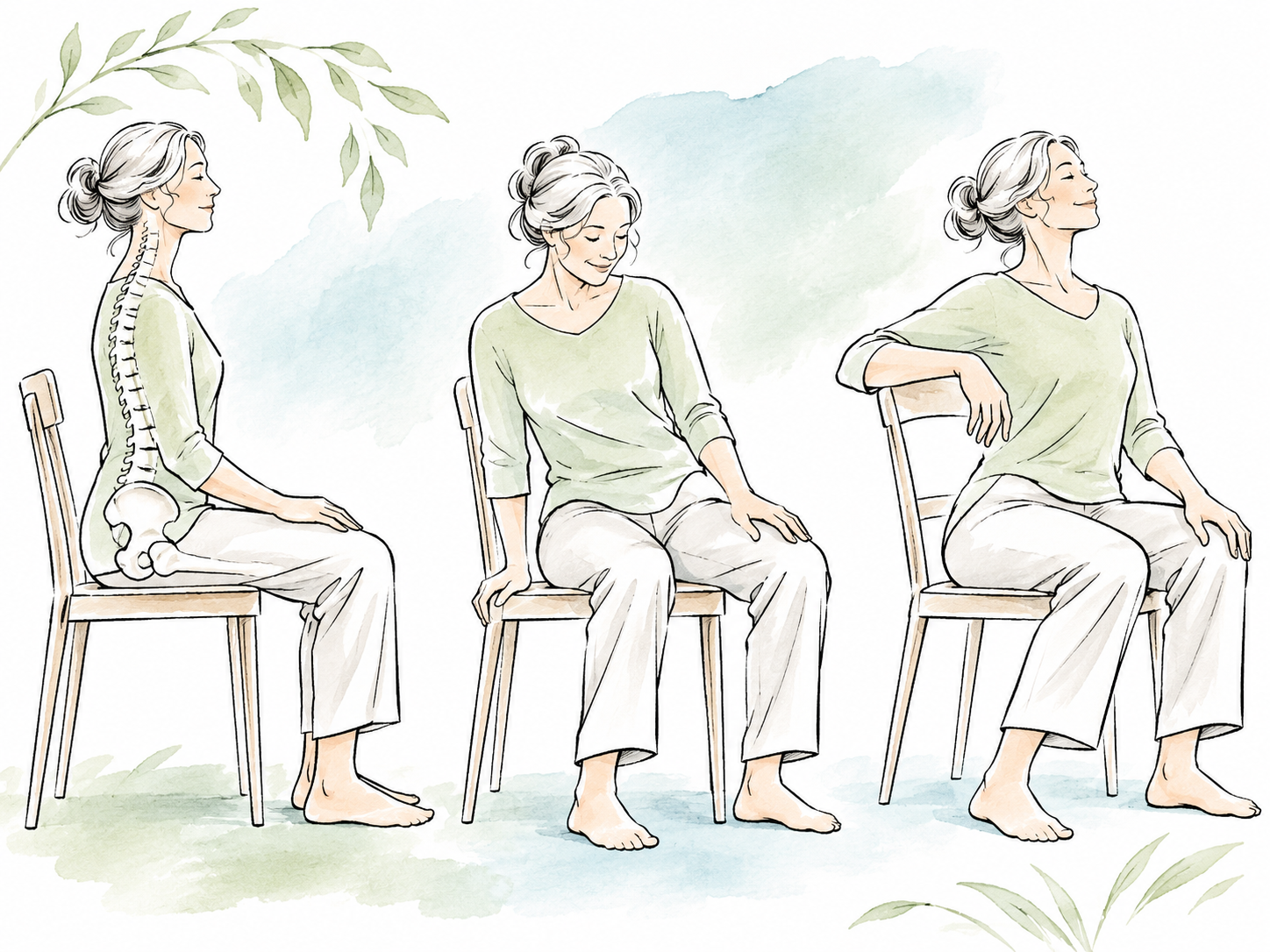
For example, when sitting in a chair, we may recognize the position of our back without sensing how the pelvis is supported or how our feet participate in balance.
When walking, we may recognize where we want to go without noticing the changing relationship between the standing leg and the free leg.
Guided movement explorations offer opportunities to discover these connections.
A small shift of weight through the pelvis may introduce a different experience of the spine.
An exploration of the feet may change how we recognize standing or walking.
A subtle movement of the shoulders may introduce new awareness of the ribs, neck, and breathing.
These discoveries emerge through experience rather than through being told how the body should function.
Areas of Exploration
Inside Awareness offers movement explorations involving balance, breathing, the jaw, neck, shoulders, spine, pelvis, hands, feet, and everyday functional movement.
The long-running Balance and a Fear of Falling series introduces opportunities to recognize skeletal support, weight transfer, balance, counterbalance, and movement transitions.
Other explorations include the Skeleton in Breathing, Jaw–Neck–Shoulder relationships, and the integration of movement throughout the body.
Awareness Through Movement® group lessons and Functional Integration® individual sessions provide different ways of experiencing this educational approach.
The invitation is to become more familiar with ourselves through movement, recognizing possibilities that may not have been available to our awareness before.
02 — Transitional Movement
Discovering How One Movement Becomes Another
Everyday movement involves continual transitions.
We roll from lying to sitting, move from sitting to standing, begin walking, change direction, reach for objects, and adjust ourselves to changing circumstances.
These transitions involve relationships between the skeleton, gravity, weight transfer, balance, and orientation.
They are not simply separate actions performed one after another.
One movement can provide the support and momentum through which another becomes possible.
Recognizing Familiar Movement Patterns
Early in life, children discover movement through spontaneous exploration.
Rolling, reaching, shifting weight, sitting, crawling, and standing introduce relationships that contribute to developing functional movement.
As we mature, these movements become familiar and often require little conscious attention.
Over time, however, habits, injuries, changing abilities, and learned expectations may influence how we organize ourselves.
Some movements may become less accessible or require greater effort.
Inside Awareness Transitional Movement explorations invite adults to rediscover relationships that contribute to everyday function.
Balance, Counterbalance, and Rotation
Movement through space requires changing support.
When walking, one leg supports our weight while the other becomes available to move.
When turning, the feet, pelvis, spine, ribs, shoulders, and head can participate through coordinated changes in orientation.
Our bodies are three-dimensional, with possibilities for movement forward and backward, side to side, and rotationally.
These movements continually influence one another.
Yet some people come to organize themselves as though the body were one relatively rigid structure.
They may turn their entire body as a unit or use considerable effort when moving between positions.
Guided explorations of weight transfer, diagonal movement, standing and free legs, and rotational counterbalance can introduce different movement possibilities.
The intention is not to replace one rigid pattern with another.
It is to discover how movement can become more responsive through recognizing the changing relationships within the body.
Movement as a Continuing Learning Experience
A familiar action can be revisited through small variations.
Sitting down may feel different after exploring how the pelvis transfers weight.
Turning may become more understandable after noticing how the feet and head participate.
Rolling may introduce a different relationship between the spine, shoulders, and pelvis.
Through these discoveries, movement becomes an ongoing learning experience rather than a fixed ability.
Everyday transitions offer opportunities to recognize how one movement supports the possibility of another.
03 — Somatic Ergonomics
Recognizing the Relationship Between Movement and Environment
We live and work within environments that influence how we move.
Chairs, desks, furniture, tools, computers, buildings, and everyday surroundings provide physical support while also shaping familiar patterns of posture and activity.
Traditional ergonomic approaches often emphasize arranging furniture and equipment to support particular positions or tasks.
Inside Awareness introduces an additional somatic inquiry:
How am I organizing myself in relationship to the environment around me?
Discovering Flexible Sitting
Sitting is often approached as a position to maintain.
Yet sitting is also a living movement relationship.
The pelvis rests on a supporting surface. The feet may contribute additional support. The spine, ribs, shoulders, neck, and head continually participate in small adjustments.
We can explore these relationships without prescribing one ideal posture.
For example, a person might begin by noticing where their weight rests on a chair.
A small movement of the pelvis forward or backward may introduce awareness of the spine.
A slight shift from one sitting bone to the other may reveal changing relationships with the feet, ribs, and head.
Pausing offers an opportunity to recognize differences.
The intention is not to hold a better position.
It is to discover that sitting can include support, movement, variation, and choice.
The Shapes of Our Environments
Much of our built environment is organized through straight lines and defined corners.
Homes, institutional hallways, classrooms, desks, sidewalks, and roadways frequently direct movement through rectangular spaces.
Nature offers different experiences through changing surfaces, curved pathways, irregular contours, and varied spatial relationships.
These environments invite different ways of navigating and orienting ourselves.
Inside Awareness explores whether repeated experiences of environmental shapes may contribute to familiar movement habits, particularly in how people change direction and organize rotational movement.
This remains an inquiry into movement and environment rather than a conclusion that one design is inherently better than another.
Through guided experiences, participants can compare walking straight pathways, turning corners, following curves, and recognizing how their bodies respond.
Everyday Activities as Learning Opportunities
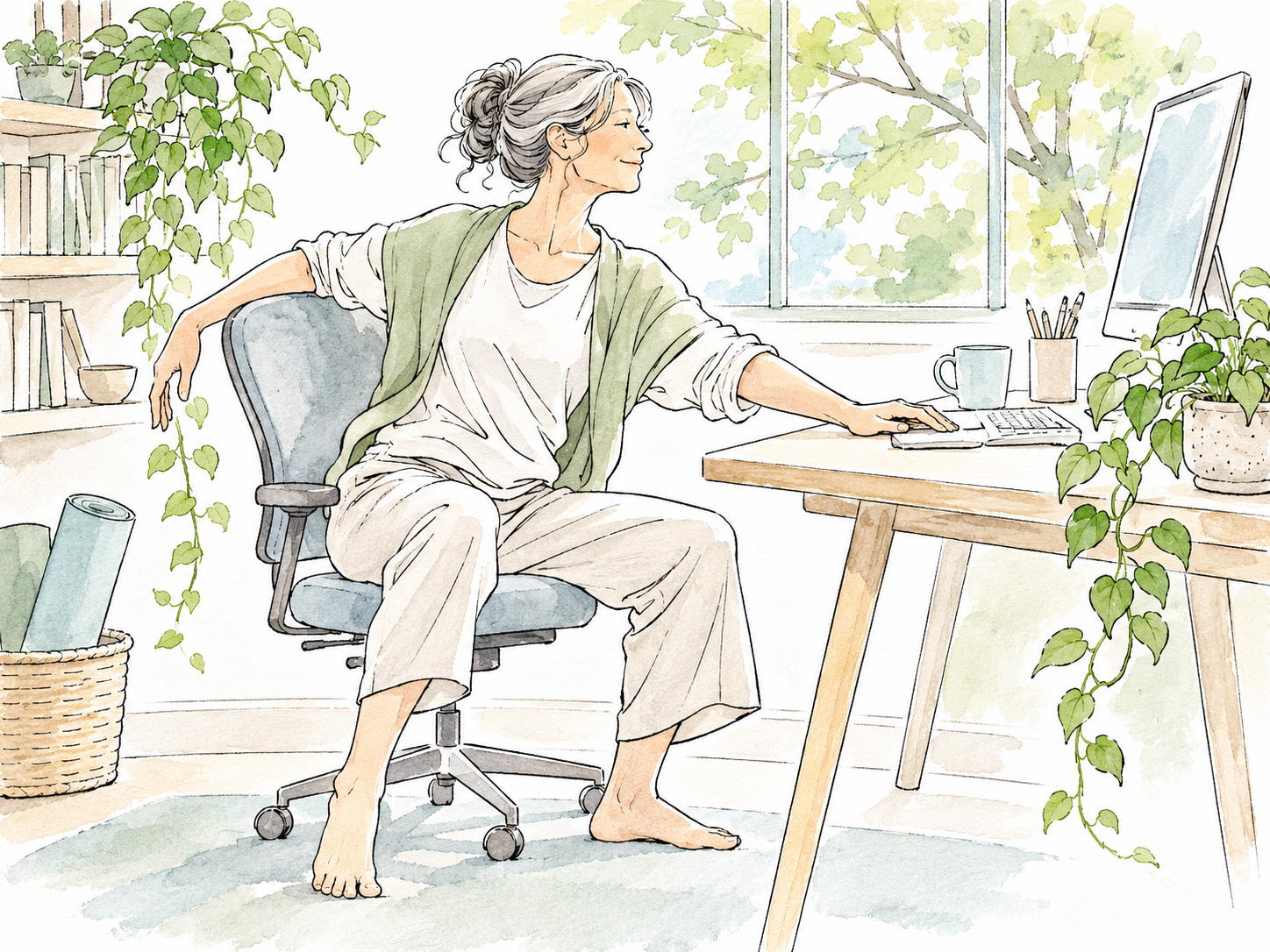
Somatic Ergonomics can be explored through ordinary activities, including sitting at a desk, working with a computer, reaching, standing, walking, using tools, and moving between household or workplace tasks.
Rather than focusing exclusively on adjusting the external environment, participants are invited to become more familiar with their own movement possibilities within it.
A chair can offer support without requiring one fixed way of sitting.
A workspace can become an opportunity to recognize how the arms, shoulders, ribs, and pelvis participate together.
A familiar pathway can become an invitation to explore balance and rotational movement.
The environment influences our experience, and conscious recognition may introduce additional choices in how we participate within it.
Movement as a Living Relationship
Feldenkrais®, Transitional Movement, and Somatic Ergonomics offer three interconnected entry points into discovering movement through lived experience.
Each begins with curiosity about what is happening rather than assuming something must be corrected.
Through sensing, movement, pausing, revisiting, and recognizing differences, participants can become increasingly familiar with how their bodies support everyday activities.
The approach also acknowledges the relationship between movement, personal interpretation, intention, and our surroundings.
What we believe our bodies can do may influence how we attempt to move.
What we discover through movement may introduce possibilities beyond those familiar beliefs.
Learning can continue through ordinary experiences long after a guided exploration has ended.
Movement is not simply something we make our bodies do. It is a living relationship we can sense, explore, and continue discovering.
Related Explorations
- Walking with Inner Awareness
- Inner Awareness Through Communication
- Culture of Values
- The Legacy Educational Project — Children’s Movement Learning
Back to Subjects
These influences are acknowledged with appreciation for the learning they made possible, while the patterns and interpretations presented here reflect my own continuing inquiry, lived experience and educational development.
Inside Awareness | Renee Lindstrom
Certified Feldenkrais Practitioner since 2007. Guided Patterns for Lived Function integrates somatic education, functional movement, and conscious recognition through everyday experience.
Renee Lindstrom, GCFP – @insideawareness – Copyright 2014 – 2026
With respect and gratitude,
I acknowledge the practices and teachings that have contributed to the ground from which this work has grown: Moshe Feldenkrais and the Feldenkrais Method® of somatic education; Marshall Rosenberg and Nonviolent Communication; Chögyam Trungpa Rinpoche and the Shambhala teachings; and Dyan Grant Francis, Subtle Energy Solutions and Black Sect Feng Shui.

