
Nature as an Environmental Influence
Growing in Relationship Through Sensory Awareness
Inside Awareness — Guided Patterns for Lived Function
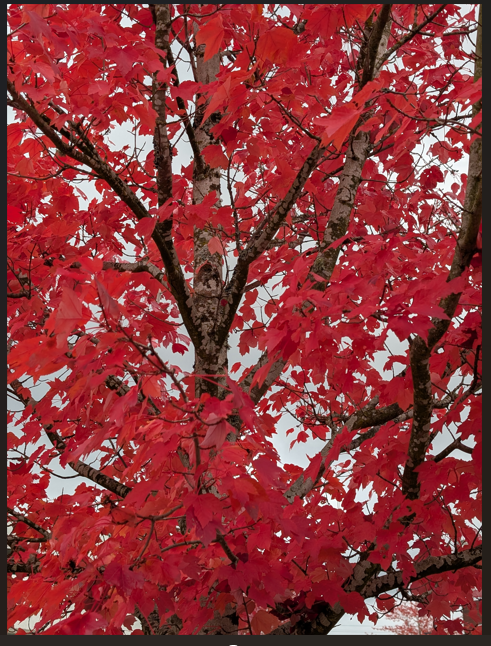
Nature offers an ever-changing environment in which to explore our relationship with ourselves and the world around us.
As we move through a natural landscape, we encounter transitions in light, colour, texture, sound, temperature and space. An open pathway may become sheltered beneath trees. Sunlight gives way to shade. The ground may change from firm and exposed to soft and covered in leaves or moss.
Each transition offers an opportunity to recognize the changing qualities of our surroundings and how we experience ourselves within them.
In autumn, the changing colours of deciduous trees, falling leaves and layered grey clouds create a landscape full of contrasts. Mosses, berries and plants growing along the pathway invite curiosity about the living environment we are passing through.
Through the qualities of yin and yang, we can begin recognizing relationships between openness and enclosure, light and shade, movement and stillness, softness and firmness.
These are not predetermined experiences. They are invitations to notice what is present and discover how we respond.
From Observing Nature to Being in Relationship with It
There is a difference between looking at our surroundings and allowing ourselves to experience them.
A colour may attract our attention. We might become curious about the texture of moss, the shape of a leaf or the movement of clouds across the sky.
As our interest grows, we may begin noticing more than the environment itself.
Perhaps our breathing changes. We become aware of a feeling, a thought, a quality of ease or an unfamiliar response. Something within our experience becomes recognizable.
The relationship between the outer environment and our inner experience begins to emerge.
Rather than directing ourselves to feel calm, relaxed or connected, we can allow curiosity and sensory engagement to introduce possibilities.
Recognizing the Transitions
Moving through different natural surroundings offers opportunities to recognize transitions in our own experience.
We may pause to notice what attracts our attention, then recognize how we are experiencing ourselves in that moment.
As the environment changes, we can revisit this awareness.
What am I noticing now?
What qualities of this place attract my curiosity?
How am I experiencing myself in relationship to these surroundings?
Is something different from a few moments ago?
These inquiries are not intended to create a particular emotional or physical response. They invite conscious recognition of experiences that may already be taking place.
Growing a Relationship with Nature
Over time, familiar surroundings may begin to reveal qualities we had not previously recognized.
A pathway becomes more than a route to a destination. Trees, plants, seasonal changes, light and weather become recognizable parts of our lived experience.
Our relationship with the environment may grow through appreciation, curiosity, familiarity and an increasing awareness of our own responses.
This developing relationship can offer another way of recognizing how environmental influences participate in our physical, mental and emotional lives.
We are not simply moving through an environment. We are experiencing ourselves in relationship with it.
And as this relationship grows, new possibilities for inner connection and conscious participation may become available.
The discovery remains open even after we have found words to describe it.
Renee Lindstrom | @insideawareness
Renee Lindstrom, GCFP – @insideawarens – Copyright 2014 – 2026
With respect and gratitude,
I acknowledge the practices and teachings that have contributed to the ground from which this work has grown: Moshe Feldenkrais and the Feldenkrais Method® of somatic education; Marshall Rosenberg and Nonviolent Communication; Chögyam Trungpa Rinpoche and the Shambhala teachings; and Dyan Grant Francis, Subtle Energy Solutions and Black Sect Feng Shui.
These influences are acknowledged with appreciation for the learning they made possible, while the patterns and interpretations presented here reflect my own continuing inquiry, lived experience and educational development.

