Tag Archives: #ConsciousRecognition

November News @insideawareness

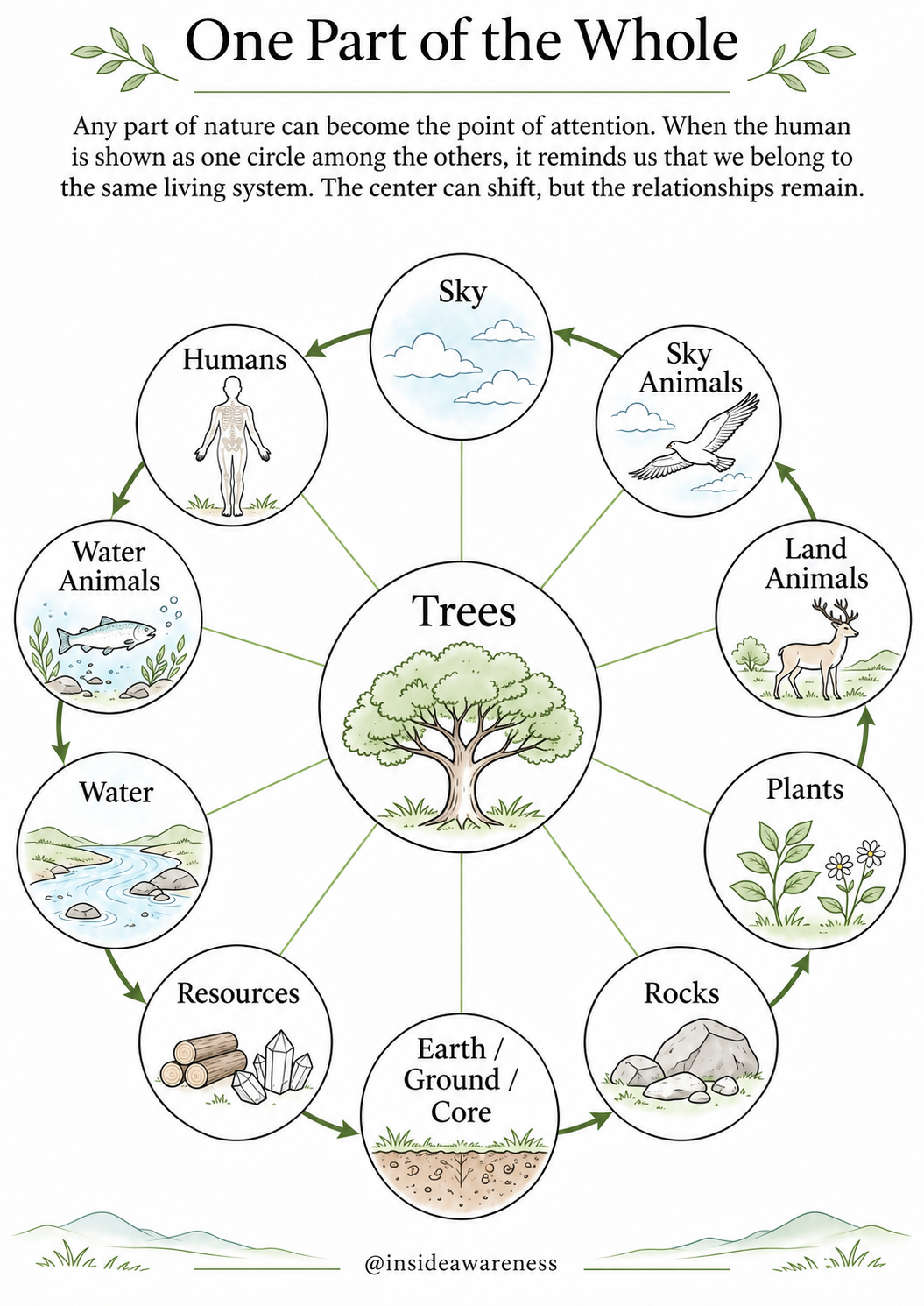
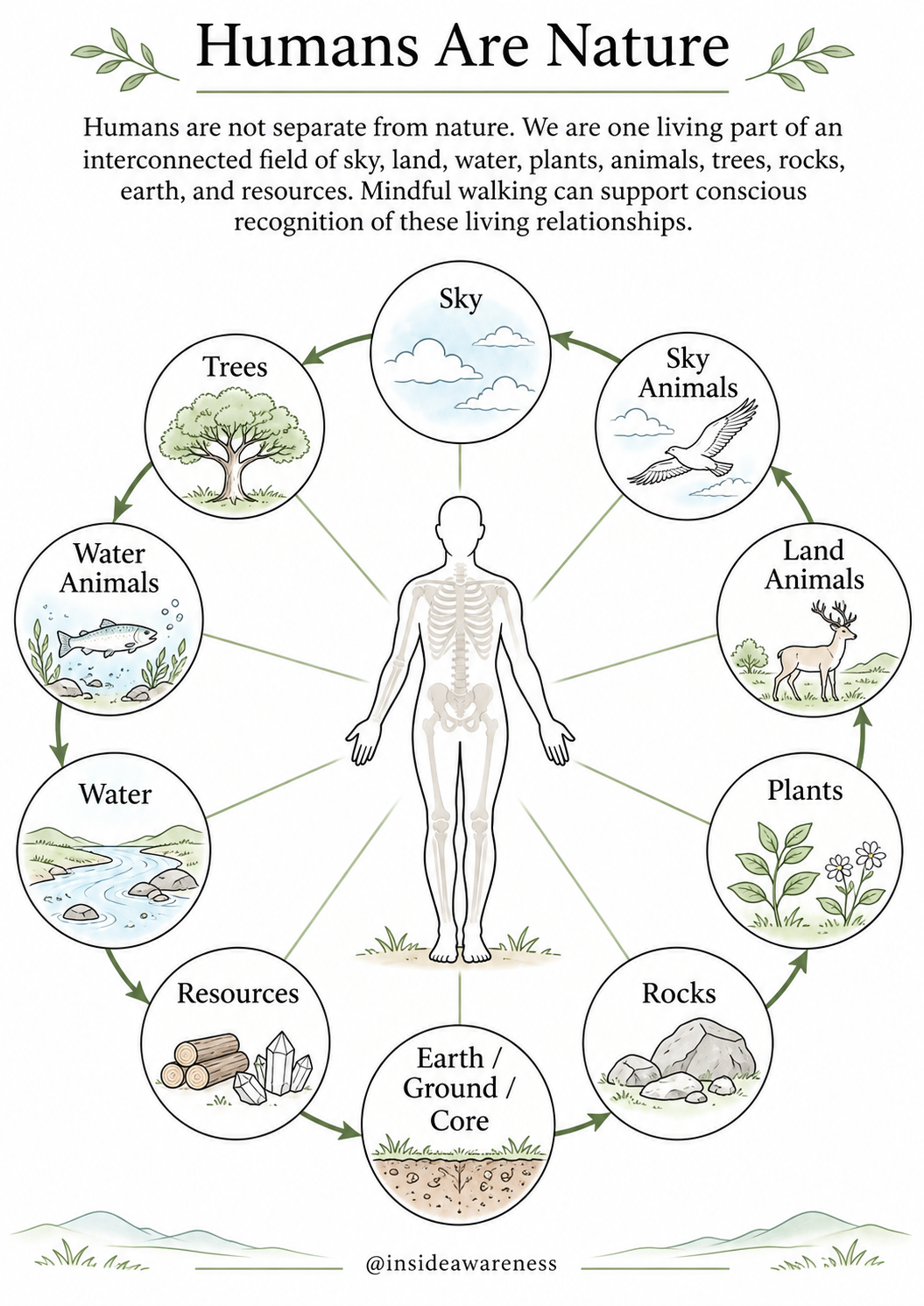
A year ago I partially lost my website details due to technical errors. It created an opportunity to redesign the educational material that favored integrative approaches that had been organically and spontaneously happening since graduating from the formal Feldenkrais training in 2007. Many approaches were attempted until it became easy and effortless. Perhaps not technically in the back end, rather in its presentation. Students may engage in learning opportunities with Inside Awareness and arrive in a movement class to increase functionality, yet discover an approach that increases mindful awareness through conscious recognition. Another may enter through a need to increase understanding and clarity in relationships and discover how increased physical function, such as breathing, can support balance and calm that increases windows of tolerance to manage emotions. The subjects below are visuals of the topics that Inside Awareness focuses upon for exploration one my engage in. However, the relationships with the other topics are contained within the essence of all the lived experience subjects. While creating the topics to reflect one part of the whole, this diagram below demonstrates a reflection that came to mind. It reflects one part of the whole in the relationship with nature. One that is based upon inclusion, not separation. As many of my students know I focus on the whole experience versus isolation of mental, emotional and physical explorations. Instead their is consideration of the whole expression. I hope you will enjoy this content, images and descriptions. Explore the topics you are drawn that I hope expresses the new integrative descriptions and that reflects one part of the whole experiences in their relationships. Perhaps encouraging you to consider them in your own lived experience. Renee Lindstrom \ @insideawareness
Recognizing Our Place Within the Whole

As I have been organizing years of learning, teaching, and lived experience, an image came to mind that reflects a recognition I would like to share.

We have learned to study and understand life through separate subjects, categories, systems, and functions. This has contributed enormously to our knowledge and understanding. Read more @ https://wp.me/p17H3e-jl5.

Inside Awareness Subjects

Guided Patterns for Lived Experience

One approach to learning. Many ways to explore life.

Everyday life offers opportunities to discover how we listen, move, communicate, make choices, and participate in relationship with ourselves, others, and the environments around us.

Each subject offers a different entry point into conscious recognition through lived experience.

Explore the Subjects

Listening & Communication

Listening, inner and outer communication, and recognizing how we participate in conversation.
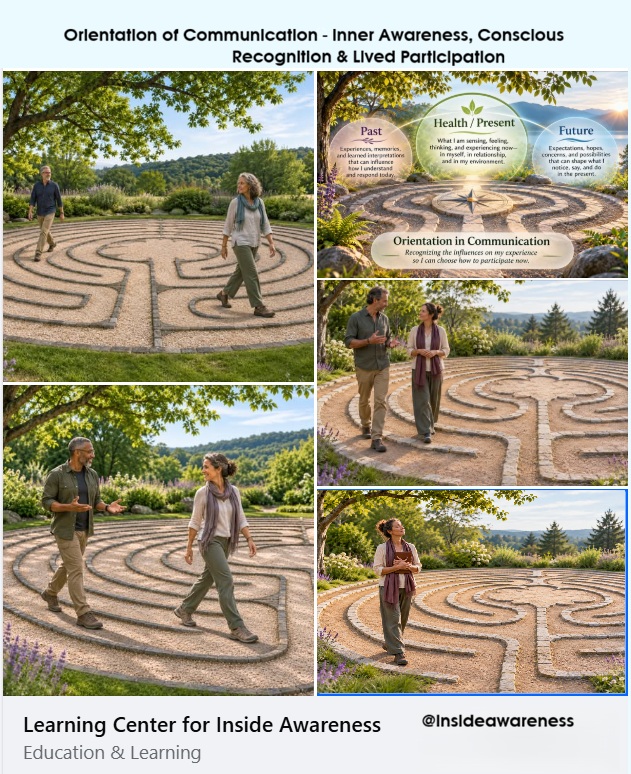

Culture of Values


Exploring how values become recognizable through personal experience, relationships, and workplace participation.
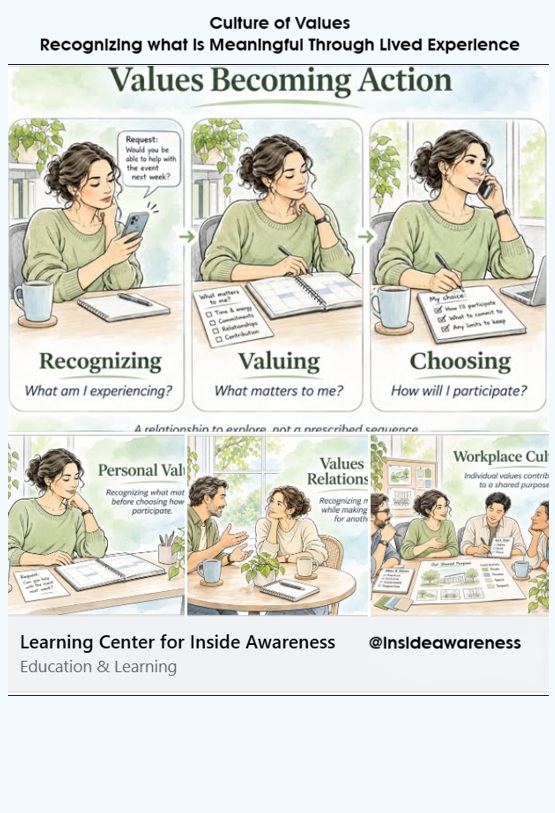

Movement & Lived Function


Discovering possibilities for movement, balance, coordination, and everyday function through guided learning.
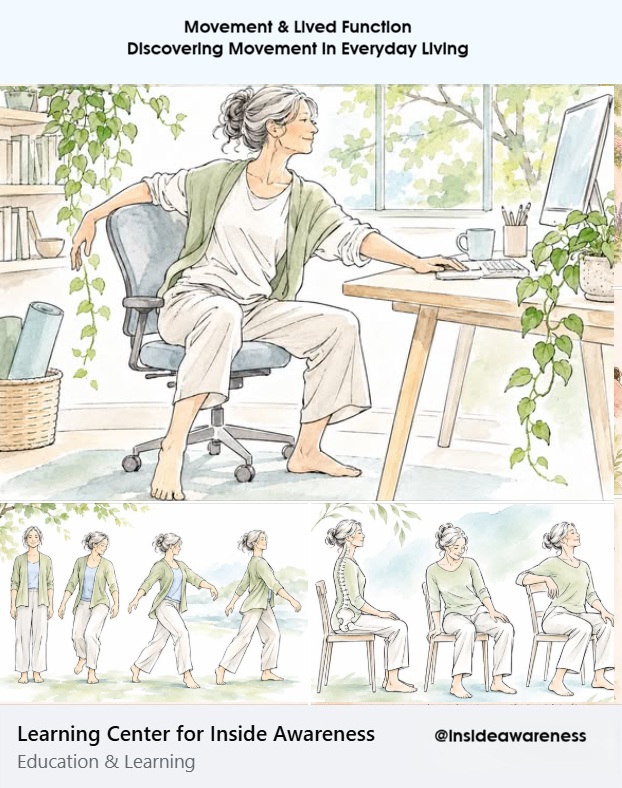

Place & Design


Exploring the relationships between ourselves and the environments we inhabit, create, and choose.
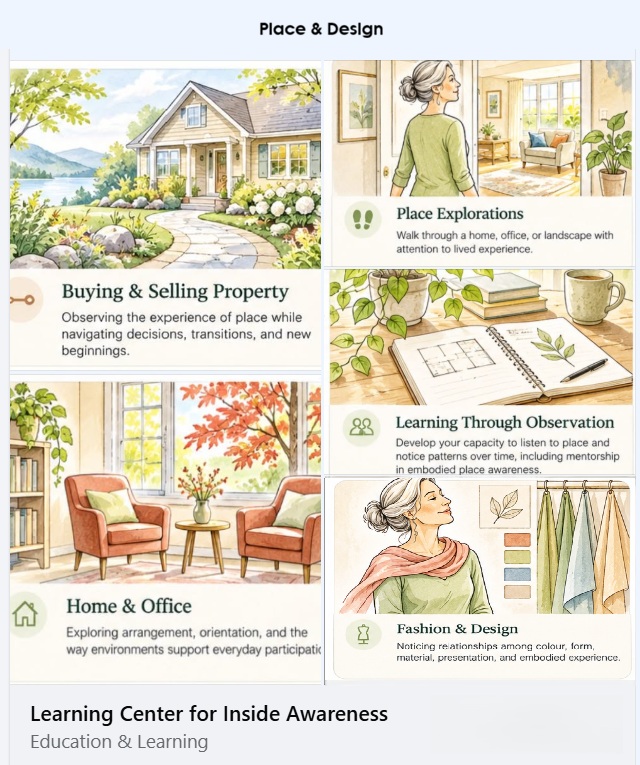

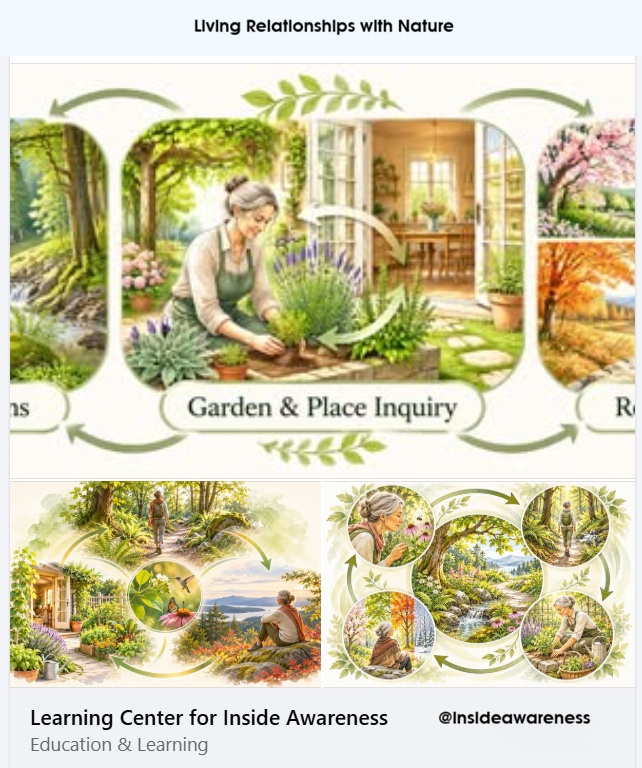
Living Relationships with Nature


Deepening awareness through walking, observing, sensing, and participating with natural environments.

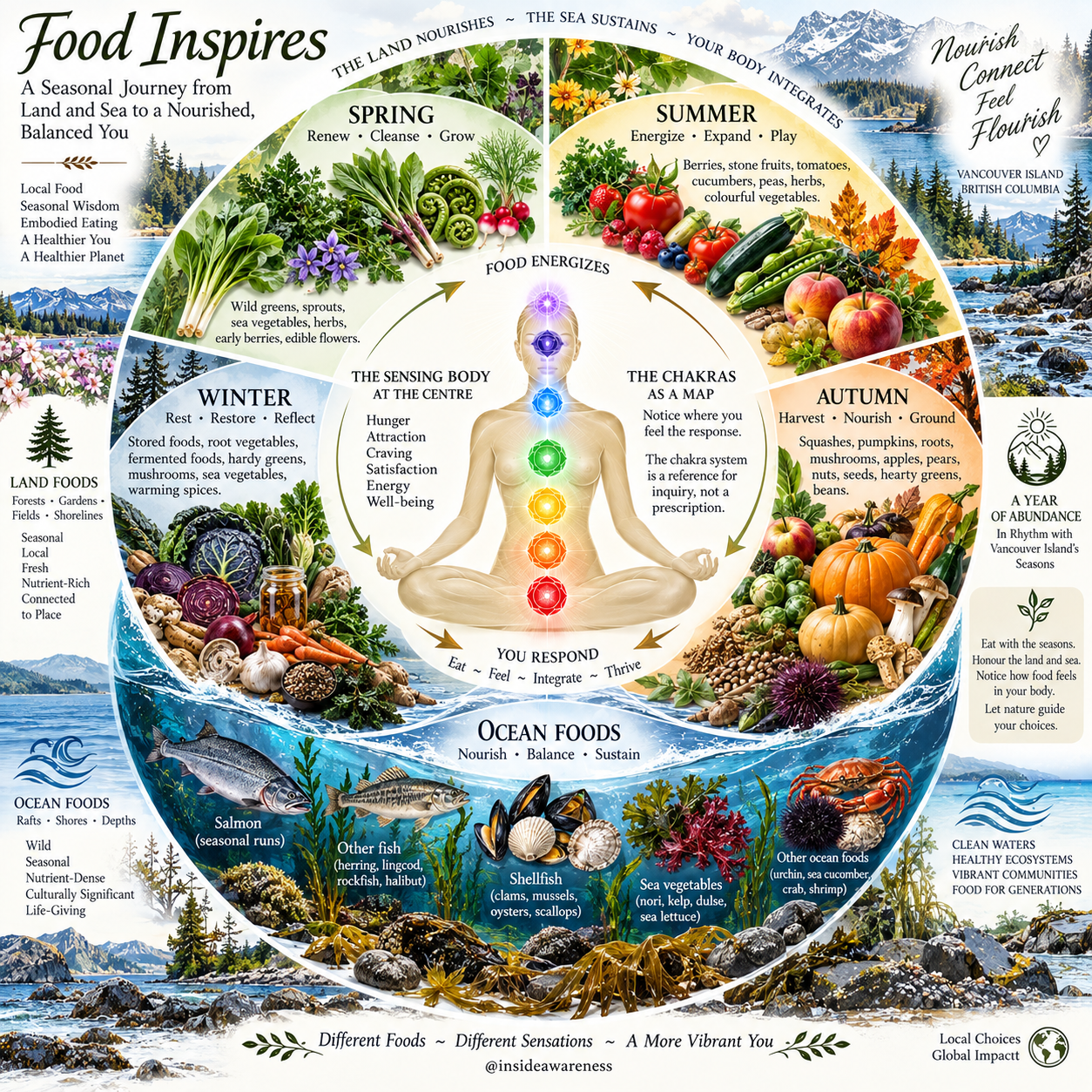
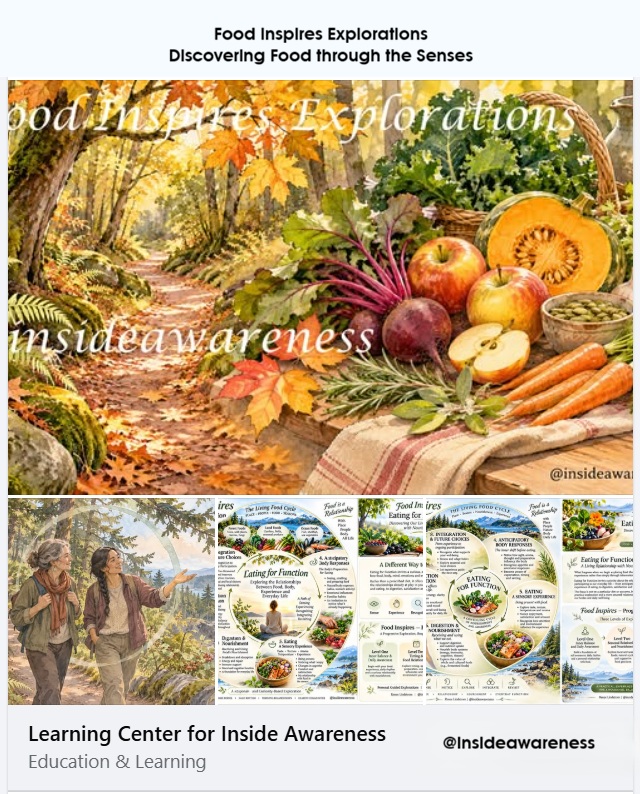
Food Inspires


Exploring our relationships with food, nourishment, sensory experience, and traditional food culturing.

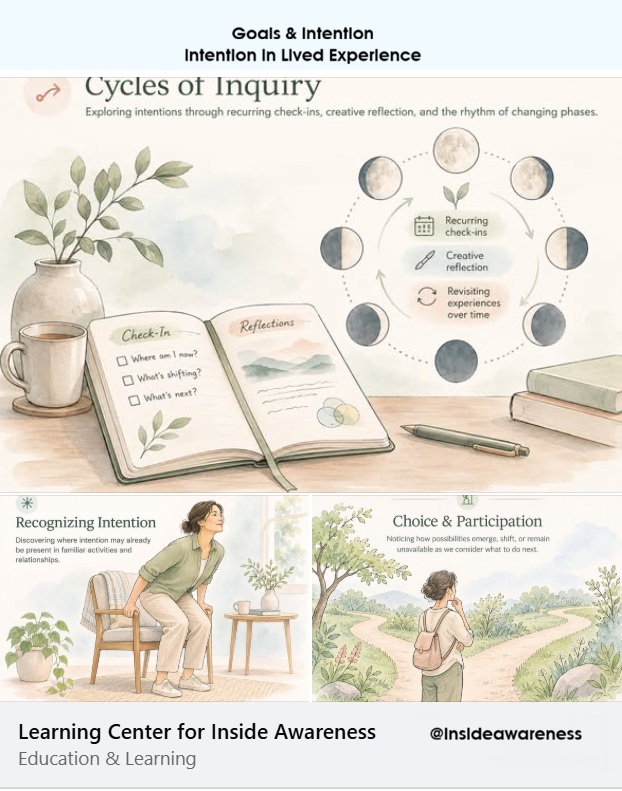
Goals & Intention


Recognizing the motivations, influences, and choices that participate in shaping our life paths.

Meditation & Everyday Life
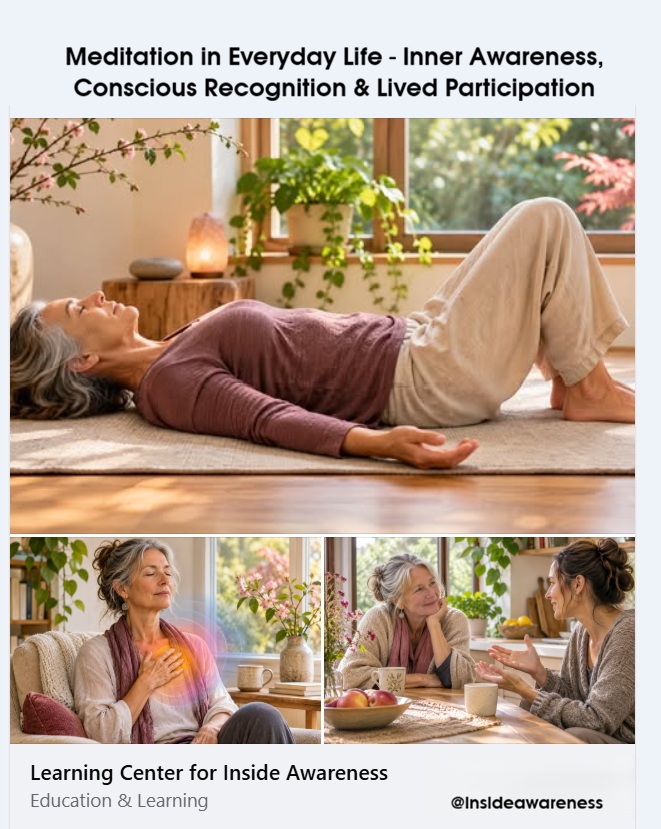

Exploring awareness through meditation, rest, sleep, and ordinary living experiences.


Legacy Education Project
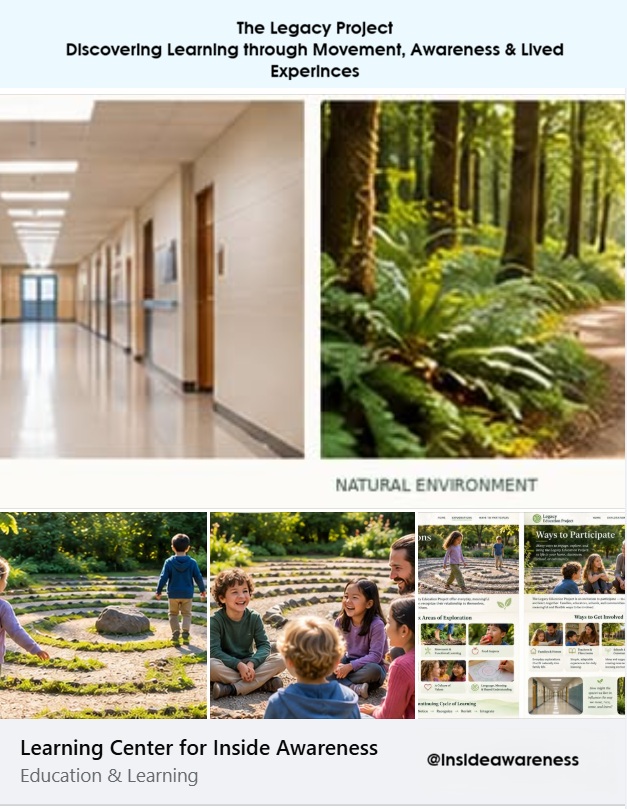

Supporting lifelong learning through educational experiences for children, adults, and future educators.


Listening Field

An open invitation to explore.
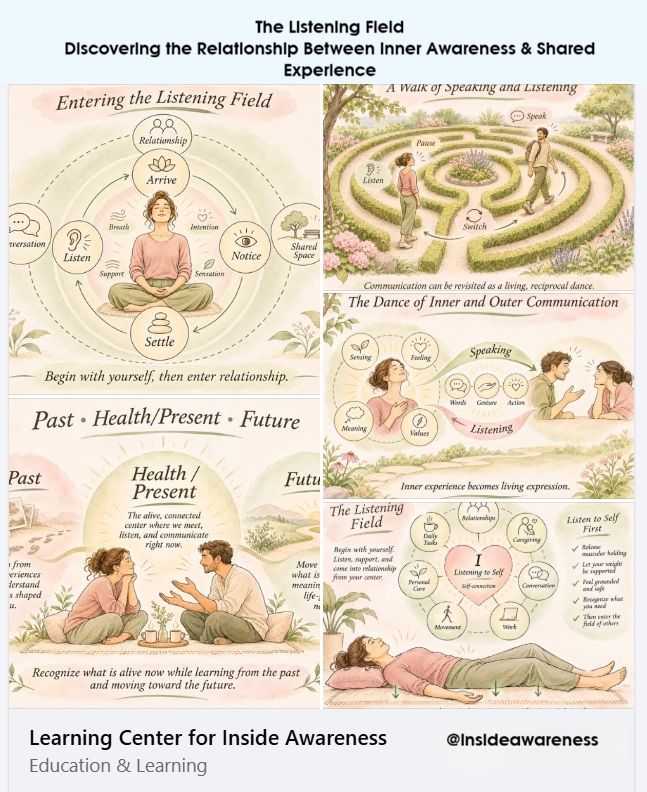
What else might become recognizable when we are willing to listen, experience, and discover without a predetermined outcome?


NEW ARTICLE POSTS

Food Inspires

Thinking About Food vs. Experiencing Food

We can spend considerable time thinking about food.

What should I eat? What should I avoid? What is the latest nutritional advice?

Yet thinking about food and experiencing food are two different activities.

What happens when we make room to notice its colours, textures, weight, aromas and flavours?

Perhaps nourishment begins to feel less like another problem to solve and more like a relationship to explore.

Food Inspires โ€” A Date with Food

Walking with Inner Awareness

Inside Awakened Subject Pathways – Renee Lindstrom, GCFP โ€“ @insideawarens โ€“ Copyright 2014 โ€“ 2026

With respect and gratitude,

I acknowledge the practices and teachings that have contributed to the ground from which this work has grown: Moshe Feldenkrais and the Feldenkrais Methodยฎ of somatic education; Marshall Rosenberg and Nonviolent Communication; Chรถgyam Trungpa Rinpoche and the Shambhala teachings; and Dyan Grant Francis, Subtle Energy Solutions and Black Sect Feng Shui.

These influences are acknowledged with appreciation for the learning they made possible, while the patterns and interpretations presented here reflect my own continuing inquiry, lived experience and educational development.


Acknowledgement of Creative Collaboration

The Inside Awareness educational programs have developed through decades of lived experience, professional practice, personal inquiry, and teaching.

The written materials and visual illustrations presented on this website have been developed with the assistance of ChatGPT by OpenAI.

This collaboration has supported the organization and expression of existing educational perspectives, the development of accessible written materials, and the creation of visual illustrations reflecting the principles of conscious recognition and lived experience.

The original educational concepts, personal experiences, teaching perspectives, and creative direction remain those of Renee Lindstrom, founder of Inside Awareness.

Renee Lindstrom | Inside Awareness
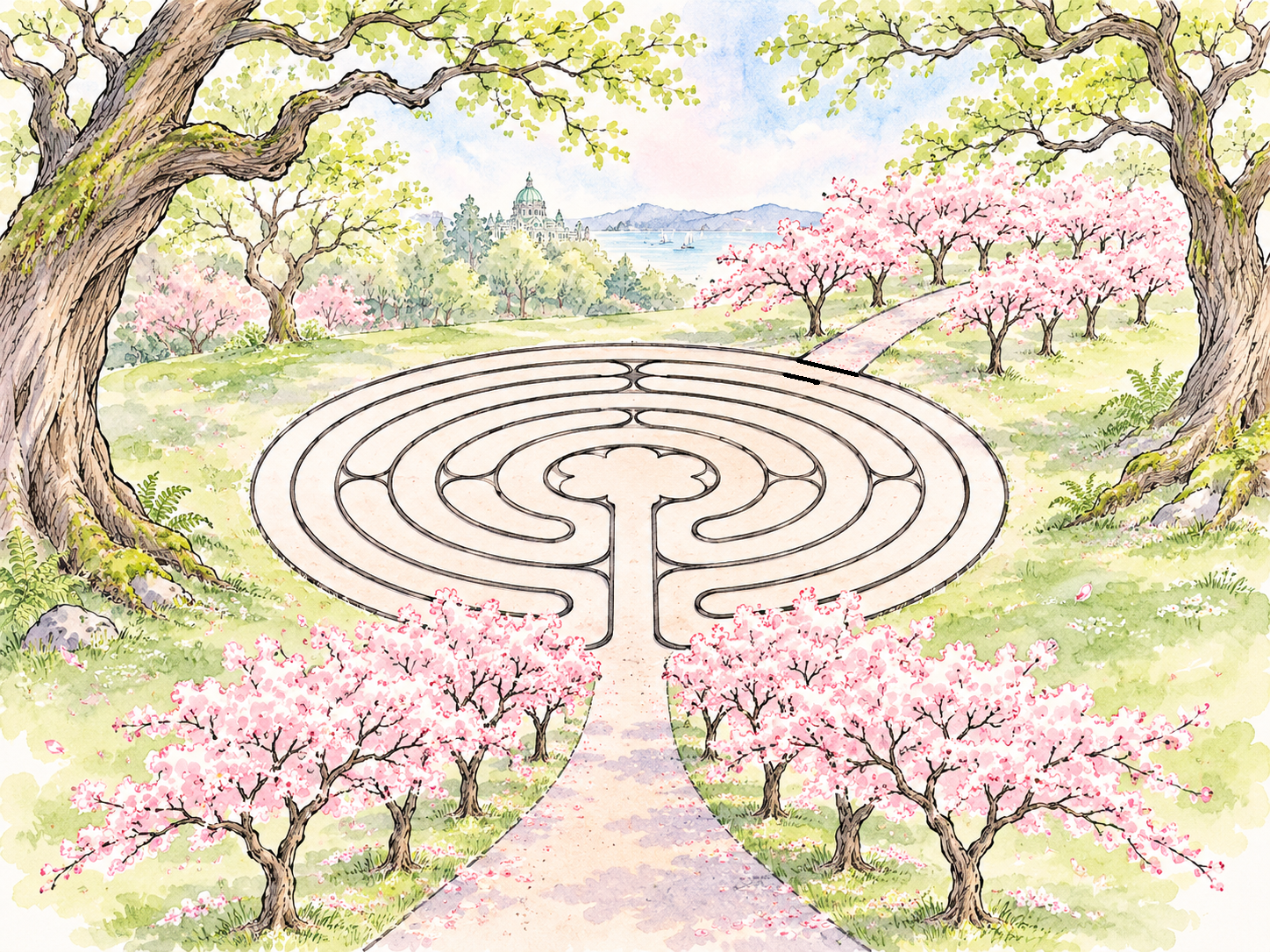
Walking the Labyrinth โ€” A Living Experience of Centre, Movement, and Conscious Recognition

Over the years, my relationship with walking labyrinths has become closely connected to my explorations of movement, listening, communication, intention, and conscious recognition.

I would like to share some of what has developed through these experiences and why the labyrinth has become meaningful within my educational work.

For me, walking a labyrinth is an opportunity to discover an inner sense of centre through lived experience.

Walking in Nature and Walking a Labyrinth

Walking through nature offers a beautiful opportunity to connect with ourselves through our surroundings.

A woodland pathway may meander through trees, curve around rocks and logs, rise and fall with the terrain, and introduce unexpected discoveries through changing seasons.

The ground beneath our feet, the sounds, scents, light, and changing spaces continually invite sensory awareness.

Our bodies respond to these changes through movement, balance, and orientation.

We are walking with ourselves while being held by nature.

A labyrinth is also a guided pathway, although it offers a different experience.

Rather than travelling through changing terrain toward a destination, the labyrinth provides an organized pathway that moves inward toward a centre and outward again.

There is a place to arrive, turn, and begin the outward journey.

The pathway is already established. We don’t need to decide where to go next.

There is an opportunity to let go of directing the journey and simply experience walking it.

This predictable outer structure may create room for greater attention to our inner experiences.

Movement, Rotation, and Orientation

My work as a Feldenkrais practitioner has introduced another dimension to how I experience labyrinths.

Much of our built environment is organized through straight lines and square corners: homes, classrooms, hallways, sidewalks, roads, and furniture.

Our bodies, however, are three-dimensional. Functional movement includes changing relationships among the feet, pelvis, spine, ribs, shoulders, and head.

Turning involves rotational movement and counterbalance, not simply changing the direction of a rigid structure.

A circular labyrinth offers a particularly interesting experience of changing direction through its winding circuits.

As we walk, our orientation continually changes. Weight transfers through our feet. Our skeleton participates in the curves and turns.

Some labyrinth designs have rounded circuits, while others use square pathways. More elaborate designs introduce quadrants and directional relationships that can be explored in connection with the compass.

Each provides different opportunities for movement awareness.

My interest is not in identifying one design as better than another. It is in recognizing how the structure of a pathway may influence movement, attention, and our experience of ourselves.

The Intention Belongs to the Walker

One person may enter a labyrinth while experiencing grief.

Another may be exploring a difficult decision, wishing to release a reaction, or hoping to find greater emotional clarity.

Someone may walk in prayer or connection with God, spirit, or another expression of higher meaning.

Another may simply wish to experience walking, breathing, balancing, or unwinding.

The labyrinth does not require everyone to share the same intention or belief.

What I have come to appreciate is the opportunity to bring something meaningful into awareness and explore it through movement.

The pathway creates a familiar structure. The experience belongs to the individual.

Three Experiences That Have Stayed with Me

At a busy outdoor festival, I had created a small rope labyrinth on the grass.

On the afternoon of the final day, another booth holder decided to walk it.

Afterward, they shared that partway through the walk, something had shifted. They suddenly became aware of the trees and natural surroundings.

We had been beneath those trees, in a large grassy area, for two and a half days.

Yet they had not consciously noticed them until that moment.

I found this meaningful. The environment hadn’t changed. Something in their awareness had.

Another experience was more personal.

Following a difficult year of interactions with one of my children, I had laid out a labyrinth using coloured braided material for an upcoming event.

We visited the location around their birthday, and I spontaneously suggested that we walk the labyrinth together.

The intention was to let the past year go and walk into the new one together.

I remember entering the pathway carrying uncomfortable feelings.

As we walked inward, I became aware of those feelings and the effort I was carrying.

At the centre, something shifted.

Walking outward was a different experience. I felt calmer, clearer, and less burdened by the emotional responses I had brought into the walk.

My immediate experience of connection with my child had changed.

They later shared that their experience had shifted in a similar way.

The labyrinth hadn’t resolved all the circumstances of the previous year. Yet, in that moment, it offered an opportunity for a different experience of ourselves and our relationship.

A third experience came through a woman attending one of my labyrinth workshops.

She became interested in how walking a labyrinth individually, before gathering together, might influence the experience of a group.

She was preparing to attend a difficult meeting involving significant institutional decisions.

She decided to invite the participants to walk a labyrinth before beginning.

Later, she shared that the meeting had been noticeably different from previous ones. She experienced greater calm, respect, and kindness among the participants.

I cannot know everything that contributed to those changes.

What interests me is the possibility that an individual experience of centering before coming together may influence how people participate in a shared conversation.

The Relationship With Listening and Communication

These experiences have influenced my explorations of inner and outer communication.

When we enter a conversation, we bring more than words.

We bring our physical responses, memories, feelings, values, interpretations, and expectations.

Sometimes we are responding to the present. At other times, our past experiences or future concerns are influencing what we hear and how we respond.

The labyrinth offers me a physical experience of recognizing where I am, what I am carrying, and how I am participating.

Walking inward may provide an opportunity for recognition.

Reaching the centre offers a point of orientation and turning.

Walking outward may introduce a different experience of returning to our relationships and surroundings.

This is not a required outcome or an instruction about how someone should feel.

It is an invitation to explore.

The intention connects with what I have been developing through Inside Awareness: recognizing our inner experiences while participating in the world around us.

Sensing myself. Sensing another. Discovering how to participate together.

Returning to Centre

I have come to experience the labyrinth as an organized pattern that can support centering through movement, sensory awareness, intention, and relationship.

It offers a physical path for exploring connections among mental, emotional, physical, and spiritual experiences, according to what is meaningful to each walker.

Its historical and spiritual associations remain meaningful to many people. My own exploration adds a somatic and educational perspective without asking anyone to replace their existing understanding.

For me, the labyrinth has become a living opportunity to recognize what is happening within myself while remaining connected to the environment and people around me.

Sometimes we may discover something unexpected.

Sometimes there may be no remarkable change.

And sometimes the experience of following a familiar pathway may simply offer a moment of ease.

The Centre of the labyrinth is a physical place. The inner sense of Centre is something we may discover through the experience of walking.

That is the relationship I continue to explore.


Walking the Labyrinth – Renee Lindstrom | Inside Awareness @insideawareness โ€“ Copyright 2014 โ€“ 2026

Food Inspires โ€” Level 3 – Living Relationships with Place, Food and Nourishment

Discovering Our Relationship with the Foods Growing Around Us

Guided Patterns for Lived Function

Renee Lindstrom | @insideawareness

From Nature to Nourishment

What happens when we begin recognizing the relationship between the foods we enjoy and the place where we live?

Throughout Food Inspires, we have been exploring how sensory awareness and conscious recognition can deepen our relationship with everyday experiences.

In Level One, Living Relationships with Nature introduced opportunities to discover ourselves through the changing qualities of our surroundings.

In Level Two, A Date with Food invited us to make room for the sensory experience of selecting, preparing and enjoying nourishment.

Level Three expands this awareness into our own communities, seasonal food relationships and the nourishment that supports our daily functioning.

The invitation is to become curious about the living environment just beyond our front doors.

Discovering the Food Landscape Around Us

Every community has its own relationship with food.

Gardens, fruit trees, farms, local markets, nearby waters and changing seasons provide opportunities to discover where nourishment originates.

Some foods are grown or harvested close to home. Others reach our kitchens through relationships with communities and environments farther away.

We may pass places where food is growing without recognizing them as part of our own food landscape.

As our curiosity expands, familiar surroundings may become interesting in new ways.

A fruit tree along a neighbourhood pathway, seasonal vegetables appearing at a market or herbs growing outside a kitchen window may invite us to explore their relationship with nourishment.

The intention is not to encourage everyone to grow or gather their own food.

It is to discover the living relationships that connect our food with the environments and communities in which we participate.

A Growing Appreciation Through Experience

My own relationship with food began changing as I became increasingly curious about the living environment around me.

At one time, I raised hens from chicks. Their playfulness and my growing familiarity with them created a rewarding relationship.

Collecting their eggs became more than obtaining an ingredient.

The enjoyment of caring for the hens continued into preparing their eggs for meals and baking.

Other explorations led me toward learning about plants, seasonal foods and the natural resources growing nearby.

These experiences weren’t originally intended to create a nutritional program.

They became opportunities for discovering how a growing relationship with nature could inspire a greater appreciation for food and the experience of nourishment.

Food Inspires invites each participant to discover their own relationships, interests and possibilities.

Recognizing Our Seasonal Food Relationships

As the seasons change, so may our interests in food.

Perhaps warmer weather invites an interest in fresh fruits, salads and lighter meals.

Cooler weather may inspire familiar soups, roasted vegetables, baked foods and the comforting aromas of a warm kitchen.

For some, these preferences may reflect the foods growing locally. For others, they may arise through memories, cultural traditions, family experiences or simple enjoyment.

There is no particular seasonal eating pattern to follow.

Instead, we can become curious:

What seasonal foods do I look forward to eating?

Are there foods I enjoy in one season but seldom choose in another?

What aromas, colours and flavours remind me of a particular time of year?

What foods available in my community are attracting my curiosity?

These inquiries invite us to recognize relationships that may already influence our food choices without having become consciously familiar.

Nourishment and Lived Function

As our relationship with food develops, another opportunity for discovery becomes available.

We can begin exploring how the foods we enjoy contribute to the nourishment of our functioning bodies.

Our bones, muscles, nerves, organs and other interconnected systems depend upon nutrients that support everyday activities.

Movement, thinking, sensing and responding all involve bodily functions supported, in part, by adequate nourishment.

Rather than beginning with a collection of nutritional rules, we can become curious about the foods already participating in our lives.

What nutritional qualities does a familiar ingredient offer?

How do different foods contribute to the body’s interconnected needs?

How might growing nutritional understanding support more informed and personally meaningful choices?

Food Inspires introduces these relationships through curiosity and conscious recognition.

A more detailed educational exploration is available through the connected Inside Awareness focus, Feeding the Body โ€” Nourishment for Lived Function.

From Discovery to Daily Participation

Developing a relationship with nourishment does not require us to change everything we eat.

Sometimes a discovery begins with recognizing something already familiar.

A seasonal fruit may attract our attention.

An ingredient we have overlooked may inspire curiosity.

A visit to a local market may introduce a conversation about growing food.

Or an enjoyable meal may invite us to revisit a flavour, preparation or experience.

As these relationships become more familiar, they may begin participating in our everyday choices.

The intention is not to create another strategy to follow, but to recognize possibilities that become meaningful through lived experience.

Our circumstances, available time, physical abilities and resources will differ. Each person’s exploration can develop in ways that are accessible and appropriate to their life.

Continuing the Living Relationship

Level Three brings together the foundations of Food Inspires:

Our relationship with nature.

Our relationship with time.

Our relationship with food.

Our relationship with the nourishment supporting our bodies.

And our growing ability to recognize how these experiences participate in our daily lives.

The learning does not end with identifying a seasonal food, discovering its nutritional qualities or preparing a meal.

Each experience can become another opportunity to explore, recognize and revisit the relationships that continue developing around us.

How am I participating in creating balance in my daily life?

The discovery remains open even after we have found words to describe it.


Interested in Exploring Food Inspires?

Whether you’re curious about participating in Food Inspires or learning about facilitator mentorship, you’re welcome to begin with an inquiry.

Discover opportunities to explore nature, nourishment and everyday living through your own experiences.

Make an Inquiry


Food Inspires โ€” Guided Patterns for Lived Function – Renee Lindstrom | @insideawareness