
“For to those who have, more will be given, and they will have an abundance; but from those who have nothing, even what they have will be taken away.” Author unknown
Tag Archives: getting InTouch
Do you Embody Scarcity or Abundance?
Posted in Uncategorized
Tagged Abundance, getting InTouch, Position of Consciousness, quote
‘Unity is beyond…..
‘Unity is a space of unison beyond comparing into being with another’s experience at the level of humanity each of you values’ Renee Lindstrom
Posted in Quotes
Tagged Connection, getting InTouch, Humanity, quote, society, Unity, Value
Understanding Ego mind through getting in touch with your own thinking and speaking
Our last workshop in a series of six and the individual workshops have evolved into a deeper focus of practice and understanding empathy. The areas that came up for exploring included self-empathy, empathy in relationships and group empathy. The purpose was to support group members to recognize their own stories inside their mind that did not allow them to be present with what was actually happening in their relationship. How we have done this it by developing skills for learning to recognize and identify their thoughts and behavior as a result of their thinking.
The last exercise involved having a volunteer demonstrate a process while sharing a personal life event and transforming what they had been telling themselves about it into a connection that included the rest of body functions, outside of the frontal lobe of their brain!
At the beginning of the practice this participant shared their resistance at connecting to another person in their life. In the process ego dropped away as the mind stories became silent and what was real began to emerge. As the stories of their mind became less interesting , what was real was their new self-connection to what was being experienced in the moment. When the participant connected to what was real in them they expressed how they had a growing awareness of what was going on for the other person that went beyond their original resistance.
You couldn’t ask for more! The beauty that was visible in the participant and those in the group supporting this persons process was tangible through relaxed faces and the feelings of a group connection. Through the practice other participants began to recognizing their own stories and habits in experiencing how they supported the process. Did they become present to what they were hearing or did it stimulate their own stories or need to fix it by coming up with solutions. If so, all these participants witnessed how this breaks the emphatic connection and experienced the effects of disconnection of it becoming about them and their ego mind and no longer the person going through the exercise.
Beautiful! The participants having a practice of learning a language of connection demonstrated the ability to go beyond the disruption and carry the process back to the original speaker while holding empathy for the interrupter’s!
This brings up the question – Is empathy the absence (quieting) of ego?
For more information on these workshops with Renee Lindstrom go to relationships link
Posted in Uncategorized
Tagged Communication, Culture, Ego, Empathy, getting InTouch, Group Empathy, Health, Language of Empathy and Compassion, Mind, Mindfulness, Peace, Relationships, Self-Empathy, Unity, Values
Is your learning style the same as your partners? your children? your bosses? Or are you aware that each of us has a different learning style?
Will you be surprised to read the learning styles follow our senses and abilities for reasoning and making sound? Did you know that we will have one primary characteristic combined with varying percentages of the others? Each of us different.
How then do we communicate to connect if we our base learning style is feeling/touch and our partner is logic? We would like to talk about our feelings and our partner would like to analyse them! Connection?, possibly not!
- Sight
- Sound
- Hearing
- Feeling/Touch
- Logic
I wonder then about taste! Is it time to begin considering this as a learning style? It is an unconscious form of teaching in our culture today yet not recognized.
Add to this our own balance of social and solitary preferences into our relationships with our partners, children and at work. If you are doing a group project and not feeling comfortable in your group do you experience growing feelings that you don’t belong? Could understanding that you prefer to work alone change your behavior and those around you? What if you like to socialize and your partner doesn’t? At the beginning of the relationship you may meet their needs for being alone thinking it is romantic and not simply a preference to meet their needs, not yours. Without recognizing this, it could be the pattern in your future together! How long before you would become resentful? I imagine it starts even before the heat of the romance come down a few temperatures!
Learning styles was included in this weeks (Oct 17) Parenting with Compassion workshop series and will be included in Introducing Language of Empathy, Think, Speak, Act Series starting October 20th.
Still time to register for both ~ @ James Bay Community Center – 250 – 389 – 1470
Posted in Uncategorized
Tagged Community, Connecting, Education - Learning Styles, Feeling, getting InTouch, Hearing, Logic, people, Personal Development, Relationships, Senses, Sight, Sound, Taste
Self-acceptance
Self – Acceptance
First, come into the present. Flash on what’s happening with you right now. Be fully aware of your body, its energetic quality. Be aware of your thoughts and emotions.
Next, feel your heart, literally placing your hand on your chest if you find that helpful. This is a way of accepting yourself just as you are in that moment, a way of saying, “This is my experience right now, and it’s okay.”

Pema Choldren
more quotes posted on Inside Awareness Blog
Renee Lindstrom, GCFP,
Feldenkrais® Practitioner since 2007, Value-Based Communication & Empathy Coach since 2004, Art of Placement since 2000, Founder of Greater Victoria Peace & Intercultural Celebrations since 2010 & Greater Victoria Labyrinths since 2012, #yyj Peace Week Calendar Founder – 2014 & 2015
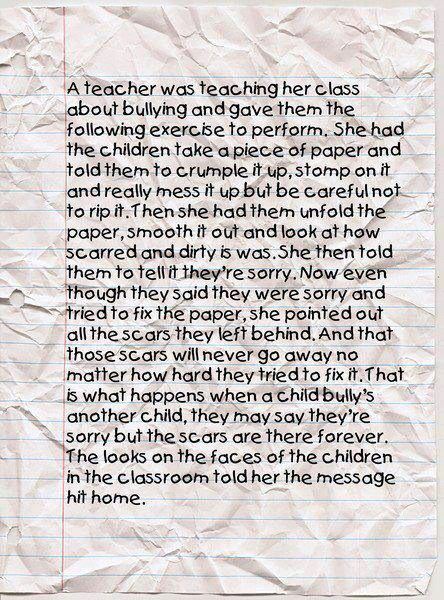
Exercise for developing empathy resulting from bullying
This exercised was emailed to me from Carla Munro ~ a fellow contributor to sharing value-based empathy conscious communication methods. It will be useful to the teacher in all of us.


 Inside Awareness Center for Integrative Somatic Learning