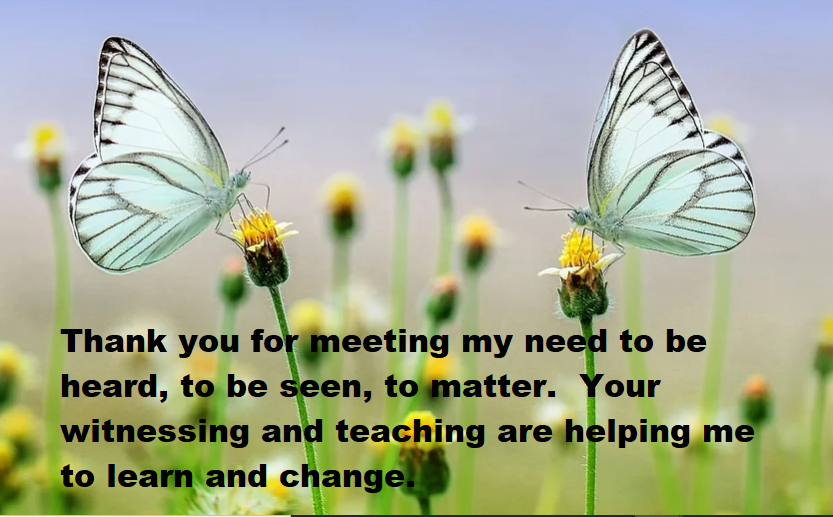
I am sharing Damion Williams’s eloquent interpretation of the value word ‘cooperation.’ He is sharing an understanding of how this word is used for different effects in our Western culture. This is a seed of understanding that lit up my consciousness during a process of conversational groups gathering to integrate values. No one knew their inner definition and understanding of universal values or each had a different interpretation. I loved Damian’s eloquence in explaining this experience in the use of the value word cooperation that I had to share for educational purposes.
Category Archives: Cultivating Awareness
Listening – Weekly Culture of Values Focus
Culture of Values Focus for this week – Sept 8 to 14, ’24 – Dialogue. Read more @ https://atomic-temporary-16610124.wpcomstaging.com/…/dialogue-weekly-culture…/ #communication #cultureofvalues #universalvalueeducation #feelingsandneedslanguageineducation
Sept 8th to 14th ’24
Definition of Listening:
Listening is an action of hearing the sounds in the surroundings. This includes other people’s voices. Hearing what others are saying is a way to get to know what is important to them and to learn from them.
Remember Dialogues definition from last week:
Dialogue is a conversation with others that increases understanding, addresses problems, and questions thoughts and actions.
Dialogue and Listening are needed to have a balanced conversation of meaning. This balance brings success and achievement for all in relationships equally. When someone speaks they are leading the conversations and the listener is following. To have equality the speaker becomes the listener. This means the listener becomes the speaker. Leadership is a balance of giving and receiving in dialogue.
This pattern was developed from a talking circle. The format was to go around and ask each participant what the focused value word meant to them. Sometimes a definition from the dictionary was read out first. People often did not know the definition meaning. ‘Renee Lindstrom’
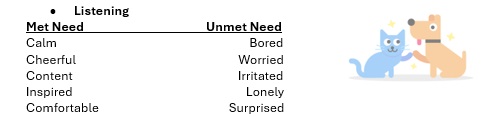
Weekly Feeling Observations:
Feeling Observations this week
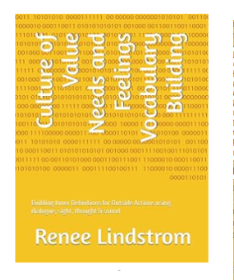
The Culture of Values educational program is available through Amazon. The program includes:
Why? How? When?
The disconnection and detachment with our body parts causes fear, anxiety, panic, irritation, anger and lack true potential in movement

In a post called, “Lost connection with our feet,” I introduced the concept of people often referring to their body parts as a third party in our conversation. Our cultural conditioning leaves the majority of us disconnected from having a focused felt sense of the body parts that keep us upright to stand, walk, run, sit and get up from standing or out of bed. Pain will be felt immediately and that will be the focus of the conversation. People will point to an area where they feel pain usually without the ability to identify the body part, or they will give an incorrect label of the body part they want checked out.
The education that has been a part of our cultural conditioning has lacked focus on the integration of the connected experience through the body. I have found that the focus is on memorizing the names of the muscles, bones and organs rather than focusing attention on the experience of those part’s from a felt sense ability through the transitions of movement. Even suggesting the focus of attention on ones felt senses will be received with varying degrees of experiential understanding and thoughtfulness. The response is usually related to yoga, tai chi, kinesiology, physical therapy or some other exercise patterns versus the actual ability to either visualize the movement or feel the functional aspects of it. There is a blank in understanding and clarity. The mind goes to association with other outside possibilities. As an empathic responder to the environment inside and out this was the hardest gap to bring clarity to for myself and others.
As a Feldenkrais Practitioner this tells me that the person responding back with these comparisons is unable to quiet the mind of memories and analysis long enough to go into feeling the actual functional connected movement patterns inside their body. The mind is actively seeking answers and concepts versus sensing. This is an important concept to distinguish as the two abilities are used for different outcomes. In my experience the analytical comparisons will not support a new pattern of movement that integrates into the brain and body connection via neural pathways. Rather, it will became an artificial strategy creating rigidity and blocking an increase in a range of motion. The expectation created by the thinking and need to know will increase the level of pain, anxiety and pain which will increase the contraction in the muscles and soft tissue intensifying the pain. It will create a contrived pattern of movement that is memorized with the concept of being the right way to do it versus organic spontaneous movement. The rigidity will significantly increase the levels of pain even more and reduce all function due to the levels of fear associated with the pain.
People seek answers and will even ask, is this the right way to….. walk, balance breath, etc., forgetting that as a baby they couldn’t ask anyone. Their movement was free range and more efficient than any current day concept.
This lack of mindful clarity and understanding to the interconnectedness of the physical body creates a disconnect to the skeleton and it’s available core micro movements. In the post mentioned in the first sentence called, “Lost connection with our feet,” the focus was on the functional physical balance. In Chinese medicine the 6 meridians that are focused upon in acupuncture begin in the mouth and end in the feet. This training suggests that the energy is released from the body through the feet into the earth’s gravity. The feet connect the bodies energy to the earth’s gravity. In Feldenkrais the functional perspective of the skeleton is viewed as architectural engineering and the view is how the feet connect with the earth’s gravity by pushing off it. When pushing off the earth the force of the earth’s gravity translates from the feet through the core of the skeleton all the way to the skull. However to experience this efficiently the focus of core movement is through the skeleton, not concepts, muscles, or flow of energy in patterns. These add value to movement, however they cannot create the experience of pushing off from the earth’s gravity.
The dominant force of movement pushing off the earth using the skeleton with the micro movements through the bones and joints tones the muscles. (Not the same as yoga stretches or massage) Muscle development is of value, however not the central core of whole and spontaneous healthy movement. Dominant muscle focus lifts the feet away from the earth that translates into walking separately from, or against, the earth instead of with it. The bones create connection with the earth while the muscles create disconnection.
When someone is walking through the force of the earth’s gravity through the skeleton there is less effort, more flexibility and an increase in resilience. If there is pain in one’s feet there are higher levels of anxiety, irritability, anger and panic. As one limbers up through miro movements, the pain subsides along with irritability, anger and panic.
This Feldenkrais Practitioners perspective of balance begins in the micro movement availability of the skeleton as it responds to the environment. This includes pushing off the earth’s gravity through the bones. As an ex Shoe Store Manager there is some understanding of the cultural conditioning that has evolved through the generations of shoe development.
Upcoming Awareness through Movement Group Lesson Series
For Personal Functional Integration get in touch


1st Phase of Integration – Getting Started (Introduction & Pattern)
2nd Phase of Integration – Getting Intouch (Experiencing & Connection)
3rd Phase of Integration – Integration (Embodiment)
Follow the journey on Twitter, Instagram or Facebook

Copyright 2014 – 2024 Renee Lindstrom, GCFP
Feldenkrais®, Feldenkrais Method®, Awareness Through Movement®, Functional Integration®, are registered service marks of the Feldenkrais Guild® of North America. Feldenkrais Method®
SHARE THIS:
Lost connection with our feet

As a Feldenkrais Practitioner the lost connection of mankind with their feet is observable in every student’s posture that attends my Awareness through Movement Lessons. One series is called, “Balance and a Fear of Falling.” In one-on-one Functional Integration sessions, it is felt through the movement patterns themselves. After the first lesson in the focused movement class series there will usually be such a huge shift in the individual participants abilities to balance that some students will report this back in the second class. They also seem happy in sharing that there is a drop in their fear levels. I will witness class participants leave their canes behind at the end of the second and third classes which I have to remind them to take with them. By the fourth class they are coming without them.
So, what is the secret? The simplest answer is that Feldenkrais doesn’t focus on the strategy to fix a perceived problem. Most Practitioners don’t get caught up in the ego of philosophies where it becomes about the label, appearance, or fame by being in competition with other modalities. It can be corrupted by those Practitioners that do though who are trying to capture it’s elusive nature and fit it into the preexisting knowledge base of human concepts. Organic learning is not containable in the precepts of the human mind. Moshe was a scientist with a mind that loved to explore learning like an adventure. This is a key element that has been passed down in a good practitioner.
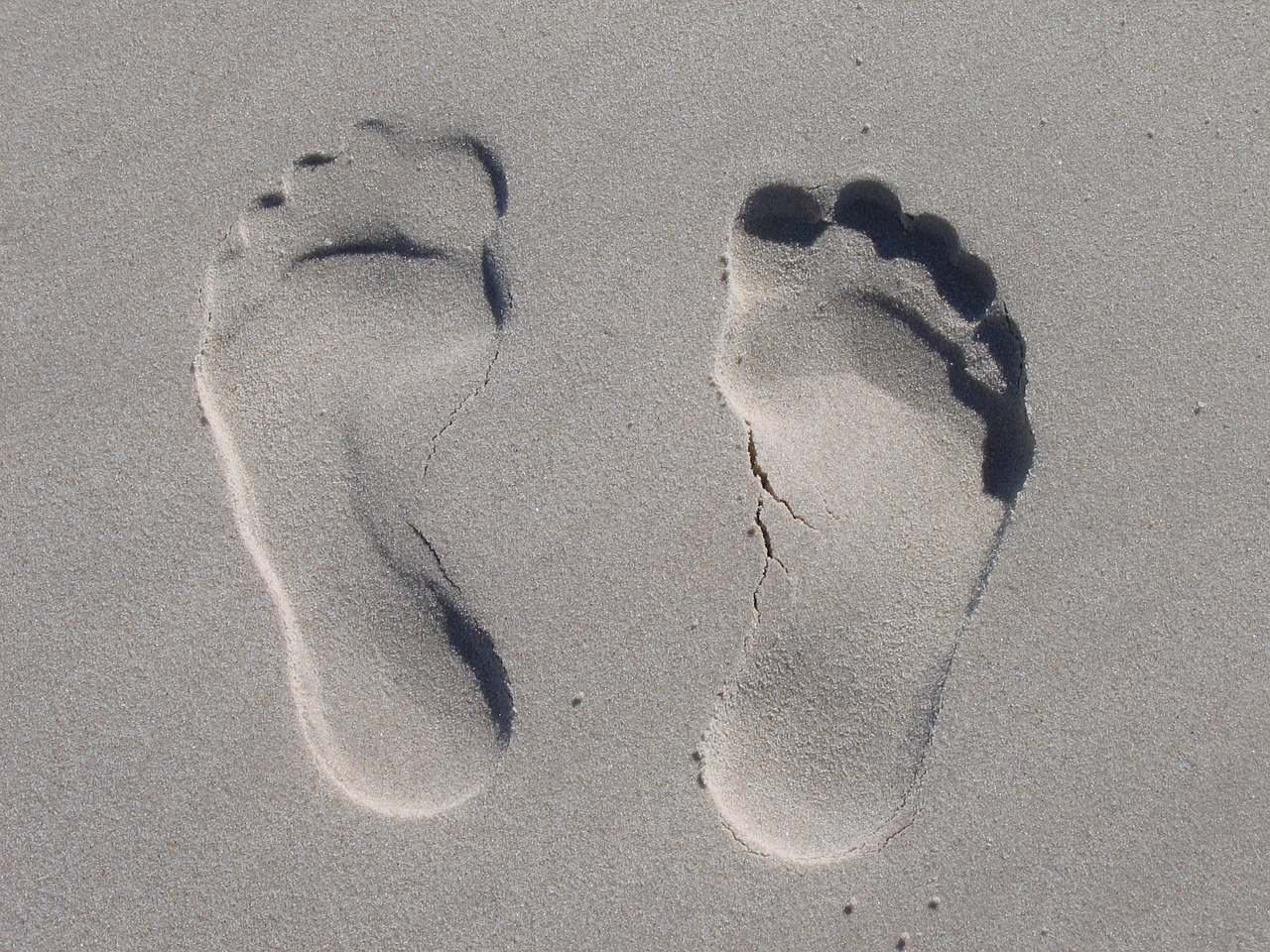
In the Balance class mentioned above our first focus in on feet. The cultural conditioning in our society has caused a lost connection with one and their feet. Time and time again I hear this disconnection in the stories I am told and that I visually see in one’s response to their own feet. Usually, the speaker addresses their feet as a separate part of themselves. They have no whole connection to them as being a whole part of themselves. This is typical of an analytical process thinker in my experience. Their body parts and functions will be expressed with an outside view in the manner of it being a third party and no attachment. Imagine standing on one’s feet with no attachment to their felt sense.
These cultural conditioning habits of our society are points brought to the surface of attention in our movement lessons, however the emphasis as a Practitioner is on aligning one’s felt senses to the micromovements in the bones associated with the feet. The emphasis is on cultivating awareness, not memorizing one pattern, as one needs many patterns when it comes to balancing.
Currently live group classes happen at #yyj’s Monterey Recreation Centre in Oak Bay. I also work with people privately in person, online, over the phone and yes even by text and email depending upon the needs and travel of students.
Past career segways into understanding the social and cultural conditioning of feet
After a challenging year and a half that ended with the loss of my father, my mother, my lover and letting go of the strong hold of my career, I entered into a year of grace. I landed in #yyj’s Greater Victoria Communities and began living on a sailboat at Fisherman’s Wharf after finally taking a career break never explored previously. This began a journey to reintegrate into my empathic nature and to understand it, Re-emerging into society from a year of retreats and learning with a focus on a new career direction as a store manager ended up being with a shoe chain. Working for Naturalizer as store manager for stores at both Hillside and Mayfair Malls became quite an opportunity to explore the human conditioning with one’s feet. In a deep empathetic state while viewing the shape of people’s feet had a giant impact. This experience is a key foundational understanding I tap into when working on balance and cultural conditioning with my students. I am not a salesperson by nature and couldn’t consciously sell to people something through manipulation, so it was a short career. Even the carrot of taking on Regional Manager for B.C. wasn’t far enough removed from that behavioural conditioning.
Upcoming Awareness through Movement Group Lesson Series
For Personal Functional Integration get in touch
1st Phase of Integration – Getting Started (Introduction & Pattern)
2nd Phase of Integration – Getting Intouch (Experiencing & Connection)
3rd Phase of Integration – Integration (Embodiment)
Follow the journey on Twitter, Instagram or Facebook
Copyright 2014 – 2024 Renee Lindstrom, GCFP
Feldenkrais®, Feldenkrais Method®, Awareness Through Movement®, Functional Integration®, are registered service marks of the Feldenkrais Guild® of North America. Feldenkrais Method®
Posted in Awareness through Movement, Balance, Balance, Becoming Aware of Function, Body Awareness, Feldenkrais Method
Tagged #awarenessthroughmovement, #Balance, #fearoffalling, #feet, #Feldenkrais, #mentalhealthandwellbeing #movementandemtions, #movementandemotions, #posture, Movement, Renee Lindstrom
Attributes in relationships that work creatively
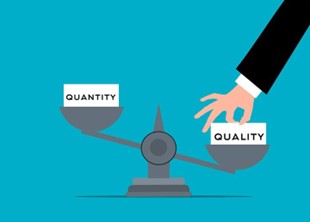
In relationships it is the quality in the experience that creates the space for someone to present as their best selves. Any type of relationship. This means that there are the attributes of respect, acknowledgement, appreciation, cooperation, participation, equality, fairness, trust, stability, to be seen to be heard, to be valued, responsibility, integrity, balanced give and take, empathy, compassion, kindness, equal giving and receiving, clarity, understanding, patience, acceptance, etc., etc. These above attributes are not a part of the interactions, or in the relationship overall if one dominants to get their needs met on the backs of others. The above attributes create inner connection and connection with others and in their absence, an environment of conflict is stimulated inside and outside. A lack of these attributes creates ill health and shifts the focus of attention into survival, fight or flight. If one is not heard, seen or valued chronically it can increase the ill health mentally, emotionally, physically, in the space and out into groups, and the community. Only someone who lacks these qualities in themselves, ie. lack of self respect, self appreciation, and self accountability, etc., would treat others with this base note behaviour. Why, if you respect yourself, you can respect others. If you hold yourself accountable, you will hold others accountable etc. It creates a value in the space surrounding you that people enter into. Time is better spent and more productive and efficient. People are speaking creativity and with innovation. Which direction is your motivation taking you and those around you? Are you elevating people into being their best self or are you dragging them down into your possible jealousy, hatred and greed?
Learning opportunities:
- Learning opportunities:
- Integrating personal and group values to create a point of connection in relationships and environment
- Introduction to transforming reactions into value focused connections
- Integrating values through intention
- Integrating values through the environment
- Somatic Movement to increase physical, mental, and emotional function, health and well being
- Clarity of Environmental Stimulus to reduce blocks to health and wellbeing
Connect to inquire about your personal or group needs

The only way to change is action
Conversation is an equal opportunity and shared experience
- Integrate values through Subtle Energies in the environment:

1st Phase of Integration – Getting Started (Introduction & Pattern)
2nd Phase of Integration – Getting Intouch (Experiencing & Connection)
3rd Phase of Integration – Integration (Embodiment)

Follow the journey on Twitter, Instagram or Facebook

Copyright 2014 – 2024 Renee Lindstrom, GCFP
Feldenkrais®, Feldenkrais Method®, Awareness Through Movement®, Functional Integration®, are registered service marks of the Feldenkrais Guild® of North America. Feldenkrais Method®
Posted in Awareness through Communication, Relationships
Tagged Balance, Communication, Empathy, Goals, Relationships, Renee Lindstrom, Values
Functional Movement – Legs up the wall
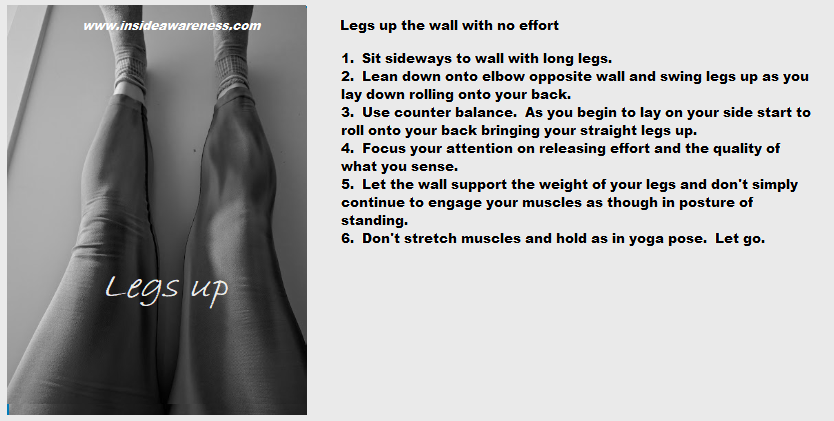
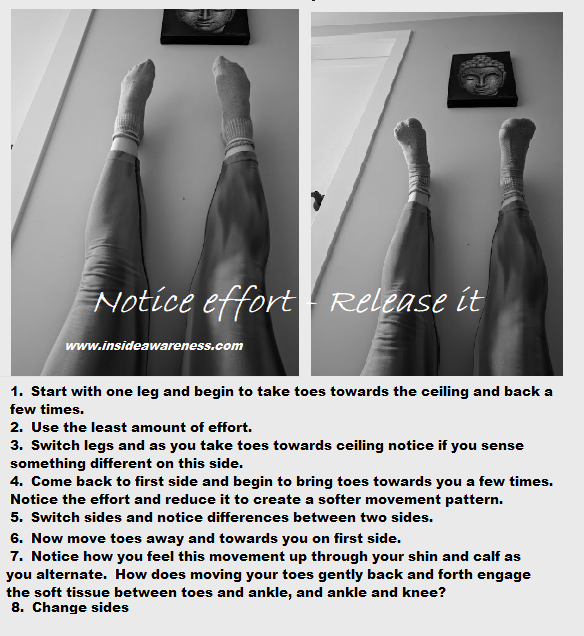
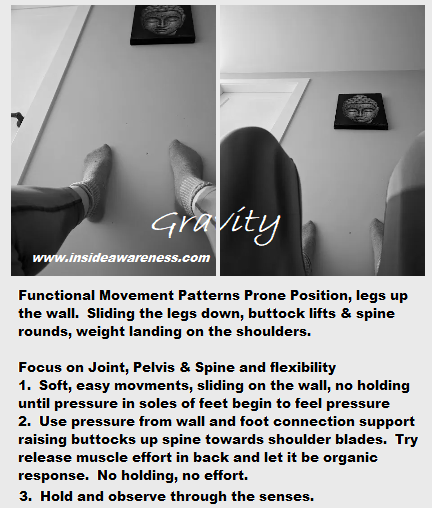
This photo gallery focuses on legs up the wall to sense movements in ones leg joints without bearing weight. These movement patterns are for cultivating awareness using the model of Feldenkrais which is a somatic technique that can harnesses one’s potential to increase physical, mental and emotional fitness. These patterns of movement are ones I have personally witness not being accessed in all ages from elementary ages through to elder stages of life. The culprit? The chair.
These movement tips can support movement in ones hip joints with freedom from upper body weight.




Upcoming in person Victoria Awareness through Movement Lesson Series & Workshops
See Renee for personal Functional Integration Sessions
Follow the journey on Twitter

Copyright 2014 – 2024 Renee Lindstrom, GCFP
Feldenkrais®, Feldenkrais Method®, Awareness Through Movement®, Functional Integration®, are registered service marks of Feldenkrais Guild® of North America. Feldenkrais Method®
Outsmarting a gas lighter
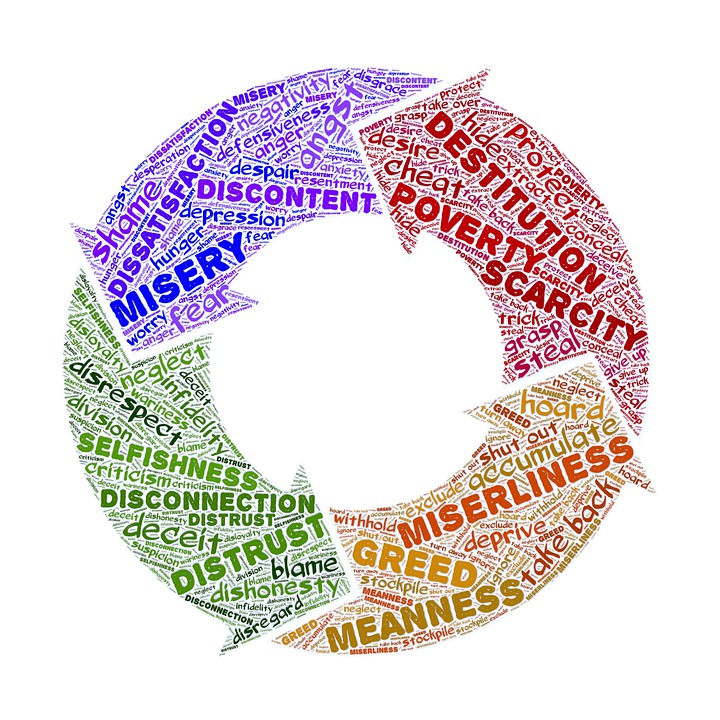
One of the hardest behaviours to observe in coaching is witnessing someone attached to another for what they can get from them rather than what they can contribute. I have noticed that when the focus is not on creating an authentic connection its purpose is on creating a disconnection inside the others person’s mind where they hope to receive some personal gain. Sometimes it’s for competition as they don’t want to see the other succeed, or to gain monetarily and receive support, or simply not wanting to be abandoned in whatever addictions they share. Only a few times I have witnessed it be from hatred and rage or a belief the other person is not smart or good enough. Qualities that cannot be hidden from an empath.
I have witnessed gaslighting someone is never for the qualities of love like appreciation, respect, or empathy. It seems that once the cycle starts it quickly turns into entitlement or ownership of the other. People doing the gaslighting don’t get how these controlling behaviours are easily identifiable and visibly recognizable, especially by an empath. It’s felt emotionally by the person they are gaslighting however witnesses can easily observe the mental manipulation. The gaslighting is like mind control, or a false reality. It is very destructive and harmful. In some situationships it can last for years where the experiences become dark, lonely, and painful. The person on the receiving end either doesn’t seem to recognize it at first or they believe it will change.
Most people don’t go into relationships with the expectation to be on the receiving end of this type of behaviour so can be naive to it. An element of human conditioning is to trust. Initially a common reaction to it is shock, surprise, freezing or fighting back. Once the behaviour is habituated it seems to be internalized by the receiver where is transforms into feelings and damaging beliefs related to self-worth. Regardless of these fight, flight or freeze reactions they can be purposely stimulated for controlling the actions of someone to stop them from moving forward and acting. Over time the person being manipulated is noticeably drained, stressed, angry or depressed and often will seek artificial stimulants to cope.
Often the person on the receiving end of this manipulative behaviour will believe there is something wrong with them from the feelings that are stimulated by the gas lighter. Gas lighting often interferes with the receiver’s connection to what is meaningful and their values by creating doubts. Long-term reactions to this are a lack of self-esteem, self-value, and confidence. The joy for me in these over-the-top situationships has been integrating somatic learning models that cannot be manipulated due to the very nature of focusing on connecting to what is meaningful in the moment – one’s values. There is no focus of attention on someone speaking for another, being the teacher, therapist, or authority. Each learns how to speak for only themselves and listen without correction or convincing the other parties. There is no focus on telling the story to ascertain who is right and who is wrong. The key is to process the story using practical steps to integrate skills on how to communicate and accept differences where all parties are valued equally. I would have loved to have grown up in this type of cultural experience, however the gift of not living it became the purpose for exploring it and making discoveries for the past three decades.

Life, Lifestyle, Relationship & Empathy Coaching
For inquiries in person or online call:

Follow the journey on Twitter, Instagram or Facebook