InTouch “Needs” Awareness ~ for Sept 02 – 08, ’12

Dialogue

“Language is an exact reflection of the character and growth of its speakers.”

M.K. Gandhi

‘value based needs awareness campaign’ 

_______________________________________________________

getting InTouch Needs Awareness WEEKLY VALUE FOCUS BEGINS NEXT WEEK!

Challenging the concept of runners abs in time for running season!

With running season just beginning, check these two great articles out for free!

Author Jae Gruenke has written an article called, “The Runners Abs.”  A concept that would improve the ability, energy and reduce the effort of running.  Find how to download the article here.

_______________________________________________________
Feldenkrais®, Feldenkrais Method®, Functional Integration®, and Awareness Through Movement®, are Servicemarks of The Feldenkrais Guild®

Hands, Computers and You

Hands, Computers and You – An Article on Feldenkrais by Cliff Smyth

We use them almost constantly. A considerable portion of the neurons in the somato-sensory strip of our brains is devoted to them. Yet, as with many aspects of our embodied lives, we often don’t pay much attention to our hands and arms – until we experience some discomfort or pain.

The computer revolution, especially rapid in the Bay Area, means more and more of us spend more of our time sitting (or slumping!) in a chair, making fine movements with our fingers, holding up our arms and hands, and focusing our eyes on characters on a screen.

I remember 30 years ago we used to laugh at the futuristic cartoon character George Jetson who got pain in his finger from his job of pushing a button all day! Today many of us know that pain and discomfort associated with using a keyboard is no joke.

Conventional wisdom says that changing the physical environment through ergonomic improvements or altering the amount of work done (not always an option for many of us) are the best ways to prevent or reduce computer-related injuries.   read more 

_______________________________________________________

Feldenkrais®, Feldenkrais Method®, Functional Integration®, and Awareness Through Movement®, are Servicemarks of The Feldenkrais Guild®

4 Tips for easy sand labyrinth drawing

638px-cretan-labyrinth-round.svg

by Renee Lindstrom, GCFP @ Inside Awareness

  • Tip 1.  Look for a space on the beach that may have some interesting pieces of sea nature.  Why? – Find out more.
  • Tip 2.  Gather 16 small pieces from the beach that will become reminders to you in your labyrinth pattern.  Such as colored stones, shells, fun pieces of sea glass.
  • Tip 3.  Find a long stick to draw lines in the sand with.
Drawing a 4 Seed Labyrinth
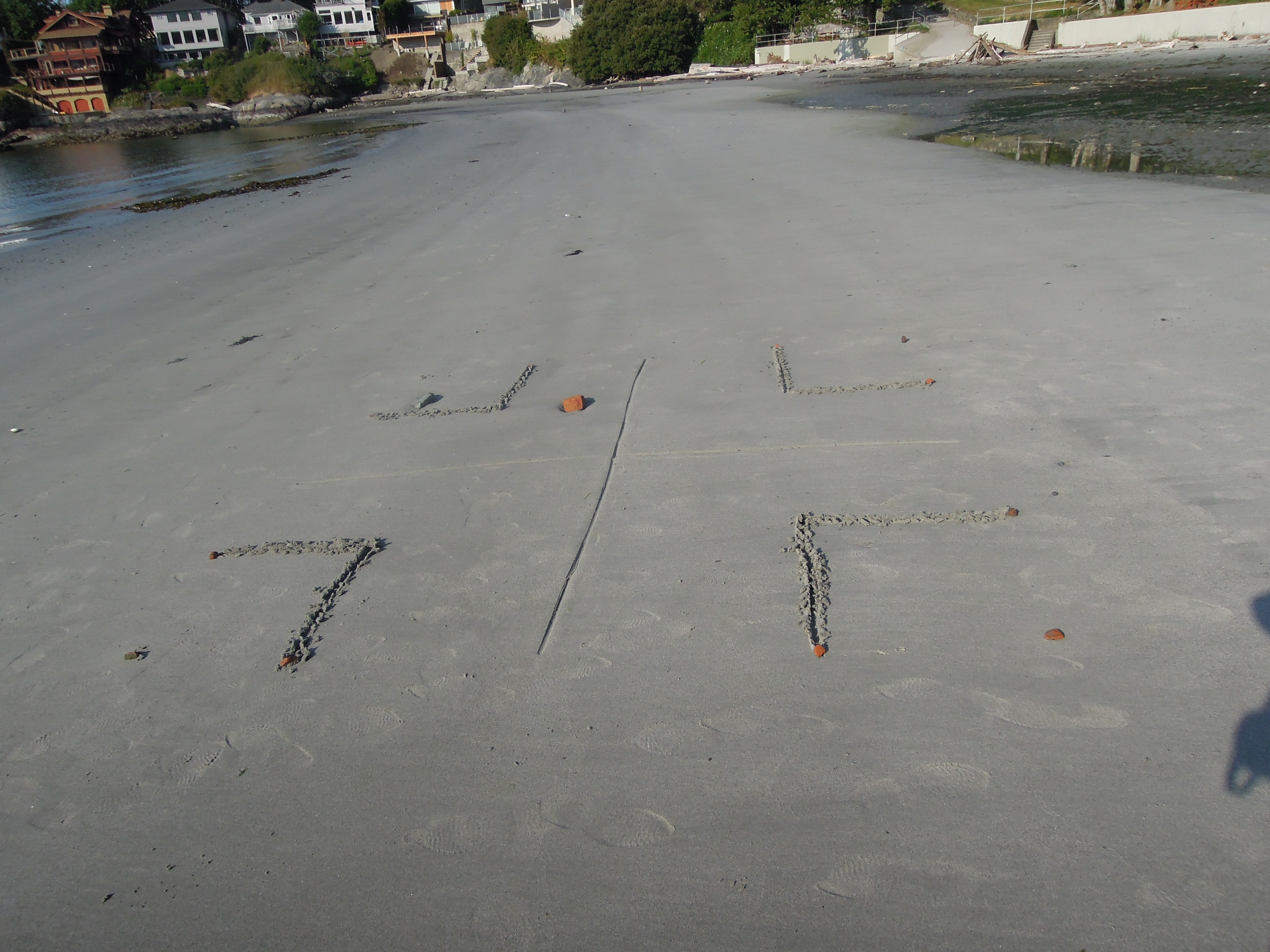
  • Tip 4.  Once you have laid out the cross, four two-sided squares and planted your four trees, place the bits that you have gathered (in step two) at these points to become markers so these points stand out.

Read more on drawing a sand labyrinth:

Recommended:


Copyright 2014 – 2026 Renee Lindstrom, GCFP,
Feldenkrais® Practitioner since 2007, Value-Based Communication & Empathy Coach since 2004, Art of Placement  since 2000, Founder of Greater Victoria Peace & Intercultural Celebrations since 2010 & Greater Victoria Labyrinths since 2012, #yyj Peace Week Calendar Founder – 2014 & 2015

Drawing a West Coast Sand Labyrinth

638px-cretan-labyrinth-round.svg

by Renee Lindstrom, GCFP @ Inside Awareness

Walking through a sand labyrinth for the first time may bring you an unexpected quality that could increase your experience of joy and renew your romance with life along our coastlines.

After drawing and creatively decorating a sand labyrinth it will be time to simply enter the walk.  Walking the labyrinth pathway, your attention may be drawn inward, increasing your focus on what’s in front of you.  This is when you may begin to notice the simple beauties of beach life that sometimes gets lost in the vastness of the bigger view.  For example, tiny bird footprints, a shell embedded in the sand and seaweed sitting softly on top.

Shell in sand
Shell in the sand

These bits of life may jump deeper into awareness in this type of meditative walk creating a deeper sense of expanded connection to your senses in some way.

If you are planning a beach event or simply find yourself with time at the beach, consider this an opportunity to deepen your connection with our coastal life.

Read more on drawing a sand labyrinth:


Recommended:


Copyright 2014 – 2026 Renee Lindstrom, GCFP,
Feldenkrais® Practitioner since 2007, Value-Based Communication & Empathy Coach since 2004, Art of Placement  since 2000, Founder of Greater Victoria Peace & Intercultural Celebrations since 2010 & Greater Victoria Labyrinths since 2012, #yyj Peace Week Calendar Founder – 2014 & 2015

Find “inner artist” drawing a sand labyrinth

638px-cretan-labyrinth-round.svg

by Renee Lindstrom, GCFP @ Inside Awareness

Once your labyrinth is drawn, take a few moments to engage in exploring the beach you are on for interesting pieces to place around the outside of the outer ring of your sand labyrinth.  You may find some treasure in the small pieces of wood that have become rounded and can be placed along to match the rounded edges of your outer ring.

Remembering all the while she will reclaim the wood and sand and leave it as tho never played with fresh a canvas for the next beach visitor!

Choosing the wood pieces and placing a round the outer ring became part of the meditation in this walk

You may even find some interesting pieces that can up along the outer ring.  If you are at the beach for the day you may want to dig in larger pieces of wood to create more of a sculpture around parts of the outside.

Read more on drawing a sand labyrinth:


Draw a labyrinth in the sand in 8 easy steps!

638px-cretan-labyrinth-round.svg

by Renee Lindstrom, GCFP @ Inside Awareness, Living in Natures Love Blog & Renee Lindstrom Live

Drawing a 4 Seed Labyrinth

8 Steps for drawing a labyrinth in the sand:

  • 1.  Draw a cross in the center.
  • 2.  In each corner of  the crosses quadrants draw two sides of a square shape.
  • 3.  In the missing corner of each of the four boxes plant a tree.
  • 4.  Working left to right from the first line of the cross draw an arch from the the top of this line over to the first line of two-sided square.  This will be the center of the labyrinth when you walk into it therefore, you can be creative depending on your walking motivation.  In this one I used a heart.
Drawing a sand labyrinth – You can see the original center cross
  • 5.  Continue working left to right and arch the left side of two-sided box line over to the tree you planted earlier on the right side.
  • 6.  Working left to right arch from the tree you planted on the left side to the second line of the two-sided box.
  • 7.  Continue left to right arching lines as you join up the two sides, remembering the right side is always one lower in the pattern.
Drawing a sand labyrinth
  • 8.  Your last left point will arch around and close the labyrinth leaving one opening on the left side of the first line of the cross you began with.
Drawing a sand labyrinth
Here you have it!  One beautiful moment in time to enjoy at the beach the next time you find yourself on a sand bar.
Walking on our completed sand labyrinth.

Read more on drawing a sand labyrinth:

 Recommended:

Greater Victoria Labyrinths – Not for profit

Like Greater Victoria Labyrinth & Events on Facebook – Not for Profit

Copyright 2014 – 2026 Renee Lindstrom, GCFP,
Feldenkrais® Practitioner since 2007, Value-Based Communication & Empathy Coach since 2004, Art of Placement  since 2000, Founder of Greater Victoria Peace & Intercultural Celebrations since 2010 & Greater Victoria Labyrinths since 2012, #yyj Peace Week Calendar Founder – 2014 & 2015