
When someone has stopped eating a balanced diet due to health, pain, depression and simply not having the energy, the hardest thing to consider is starting to eat again. The thought is too much effort. It is overwhelming and a challenge. One may feel resistance, doubt and frustration. If there is any residual effects of pain, sickness and struggle, food and diet may be the last thing on the priority list.
Our body naturally goes into survival without a balanced intake of food and it will increase anxiety, fear, depression, impatience, frustration and anger. It will distort critical judgement and slow understanding, clarity and perception. This will distort perception and encourage painful behaviors. Here are some steps to consider for making it easier:
Steps for reintroducing food for ease and support
- Step #1 – get InTouch with a familiar diet
Throw out rules and diet concepts. Remember back to the foods enjoyed in the past. Connect to the diet that is familiar (when growing up). Have conversation with a support team about the meals and foods enjoyed in the past.
*Remember this can be tweaked. Be patient.
.
- Step #2 – get Support: plan for a complete structure
Find support to make a simple plan. Those in the supporting remember to focus on how to do it versus what to do. It is the how that is overwhelming! Post pictures of portion sizes of where to start. The first area to consider is protein intake. A healthy balance to begin is 20 grams of protein per meal with veggies, fruit and smaller portions of carbs. This is what 20 grams of protein would look like.
20 grams of protein
- Step #3 – get a Meal Plan together
Get support to write out a one week plan of meals and snacks. The chart would include: breakfast, lunch and dinner with some snack ideas. Post this in a convenient place.
Example ~ Created for a Senior who stopped eating due to two years of prepared unfamiliar food that was disliked.

- Step #4 – Shopping List
Create an adaptable shopping list made up that only requires check marks beside the items for the weeks shopping needs.
Shopping list

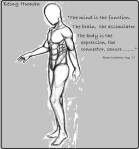 A few hardcore Feldenkrais®
 Recently when describing how contemplation can be an outcome when using a precise formula of spoken words, a colleague mentioned a verse in the bible as follows:
 Recently I enjoyed viewing a “Coles Notes” explanation of the a Medicine Wheel from a fellow Canadian in Alberta. This Elder was connecting with a troubled youth through the act of walking. There was not a direct focus on any issues. I observed through their discussion that the Elder was very aware of this youth and their needs through their behavior and unspoken expression. Rather than being direct and telling the youth anything, it was through guidance and modelling. The Elder began sharing the concept of the Medicine Wheel and encouraged the youth to walk, enter and stop in the center. The explanation of the Medicine Wheel was subtle and included the four directions, north, south, east and west. There was also mention of the balance of the four aspects of self for connecting to ones center.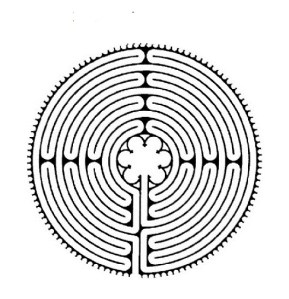


 Inside Awareness Center for Integrative Somatic Learning