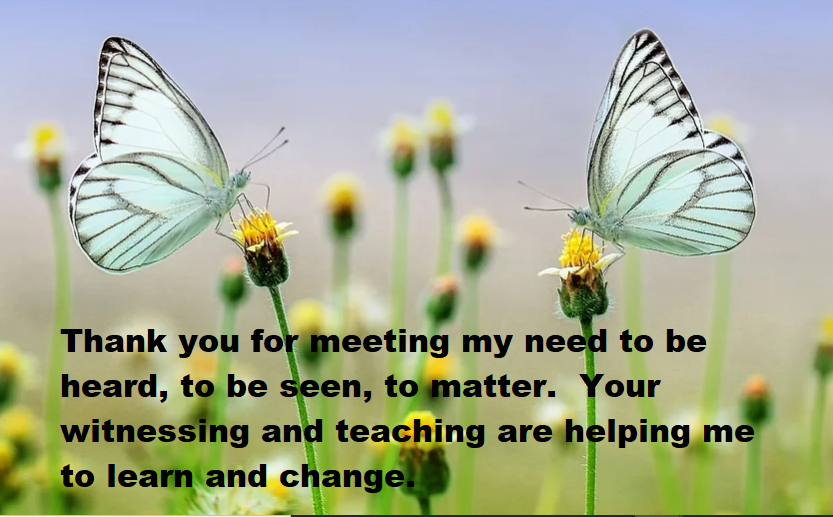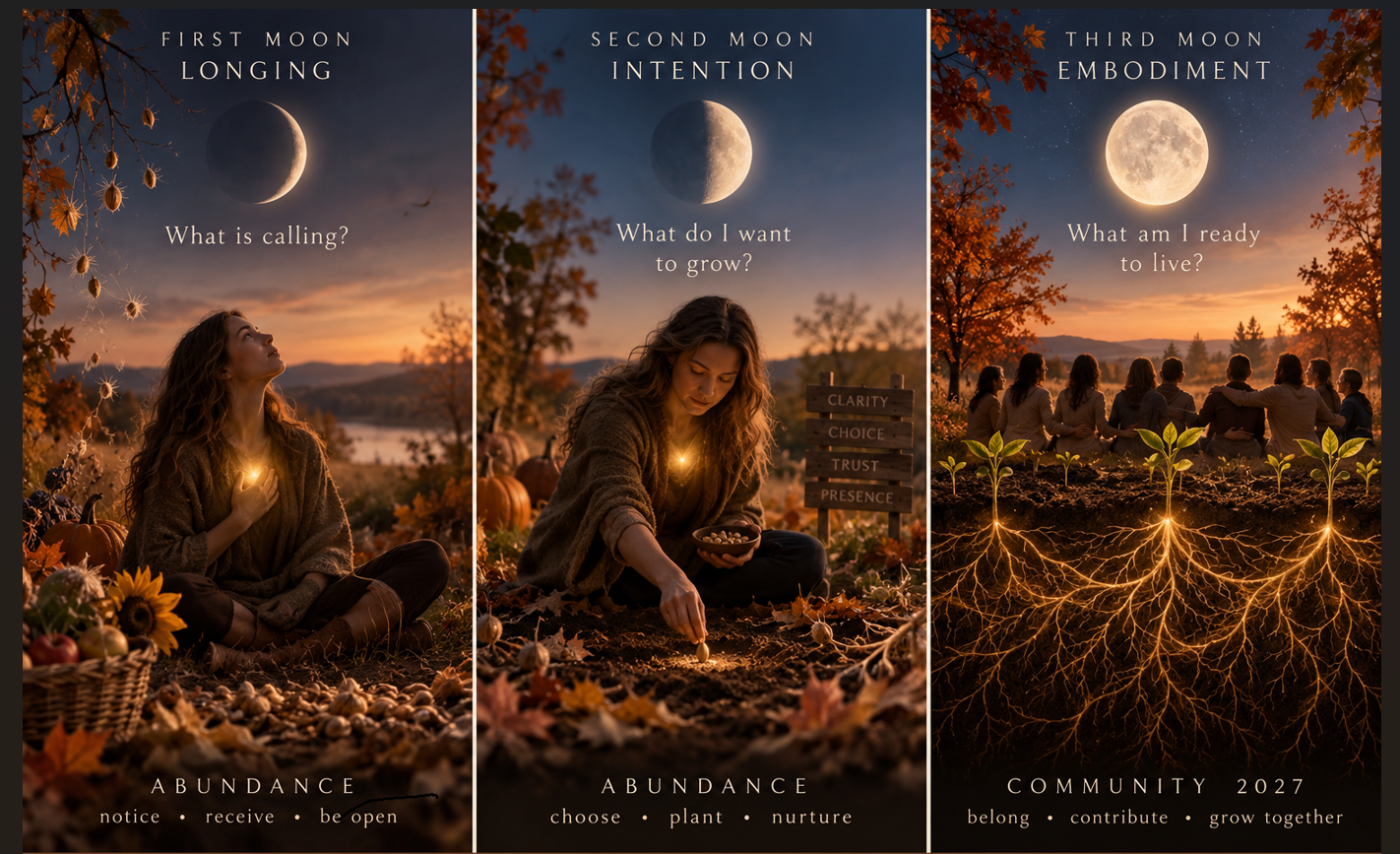
“Before planting new seeds, take time to recognize what has already grown.”
Gratitude begins with recognizing what is already present.
As we become conscious of the intentions woven through our lived experiences, we discover the relationships, choices, and actions that have shaped our lives.
In recognition, we find appreciation.
In appreciation, we nurture awareness.
Through awareness, new possibilities for conscious participation emerge.
Embodying Intention · Oct 10/11, ’26
The Legacy Education Project — Keeping Movement Alive
The Legacy Education Project — Keeping Movement Alive
I would like to share an update on the Legacy Education Project, which I began writing about on my personal page earlier this year.
The accompanying article introduces the developing project and includes illustrated diagrams exploring skeletal relationships and the transitions that take place within everyday movement.
The seeds of this project were planted somewhere along the way during my years of teaching *Balance*, a guided functional movement workshop I began offering around 2007. For nearly two decades, these classes have continued for approximately 40 weeks each year. That represents hundreds of weeks—perhaps close to 800—of listening, observing, exploring, and learning alongside adults ranging in age from their mid-forties to over ninety.
Throughout these years, I have encountered remarkably individual patterns of movement and mobility. I have listened to how people understand their bodies, observed the strategies they have developed, and explored the relationships between skeletal support, movement, and everyday function.
At some point, an intention began to emerge.
I wondered whether some of the movement relationships I was helping adults rediscover could be consciously recognized and nurtured much earlier in life, particularly during the transition from a child’s natural movement exploration into organized education.
What if children could retain a conscious relationship with the movement intelligence they are already developing?
This is not an exercise or fitness program. Those approaches have their own value in developing physical capacity and maintaining health.
The focus here is different. It is an invitation to recognize how weight shifts through the skeleton, how one part of the body participates with another, and how these relationships support our everyday movements.
I hope the diagrams accompanying the article begin to communicate this intention.
One of my favourites is titled “When I Say This… This Is What I Mean…”
This illustration brings attention to something that has connected so many of my observations over the years: the relationship between the words adults use and the movement strategies children may develop in response.
As children, we hear instructions such as “sit still,” “stand straight,” or “stop fidgeting.” We may not be shown what those words mean in terms of skeletal support or movement. Instead, we draw upon our developing experiences to find ways of responding.
Over time, some of these strategies can become familiar, habitual ways of organizing ourselves.
I have spent many years observing these patterns in adults—not as mistakes, but as expressions of learning and adaptation. My interest is in helping people recognize these relationships and discover that other movement possibilities may still be available.
Yesterday, partway through preparing this article, I paused to offer a small, boutique TMJ Jaw Release workshop to a group of women.
Once again, I encountered familiar patterns of restricted movement and witnessed moments when deeply held muscular effort began to soften, allowing different movement relationships to emerge.
Later in the day, as I reflected on the workshop and the many years of experiences that have contributed to this educational project, I felt an unexpected depth of gratitude.
Gratitude for the choices I have made to follow this inquiry. For the people who have participated in the learning with me. And for the opportunity to slow down, listen, and become familiar with aspects of human movement that can so easily go unrecognized.
Then I remembered. It was Thanksgiving.
Perhaps there could not have been a more fitting moment to recognize what has been growing all these years.
A legacy of conscious recognition, not simply a legacy of information.
I invite you to explore the article and its diagrams, and to share them with parents, educators, childcare providers, or others who may be interested in supporting children’s natural movement learning.
I also welcome conversations about workshops, mentoring, consulting, coaching, collaboration, and other ways of supporting the Legacy Education Project as it continues to develop.
Slideshow of illustrated workshop materials for parents and educators
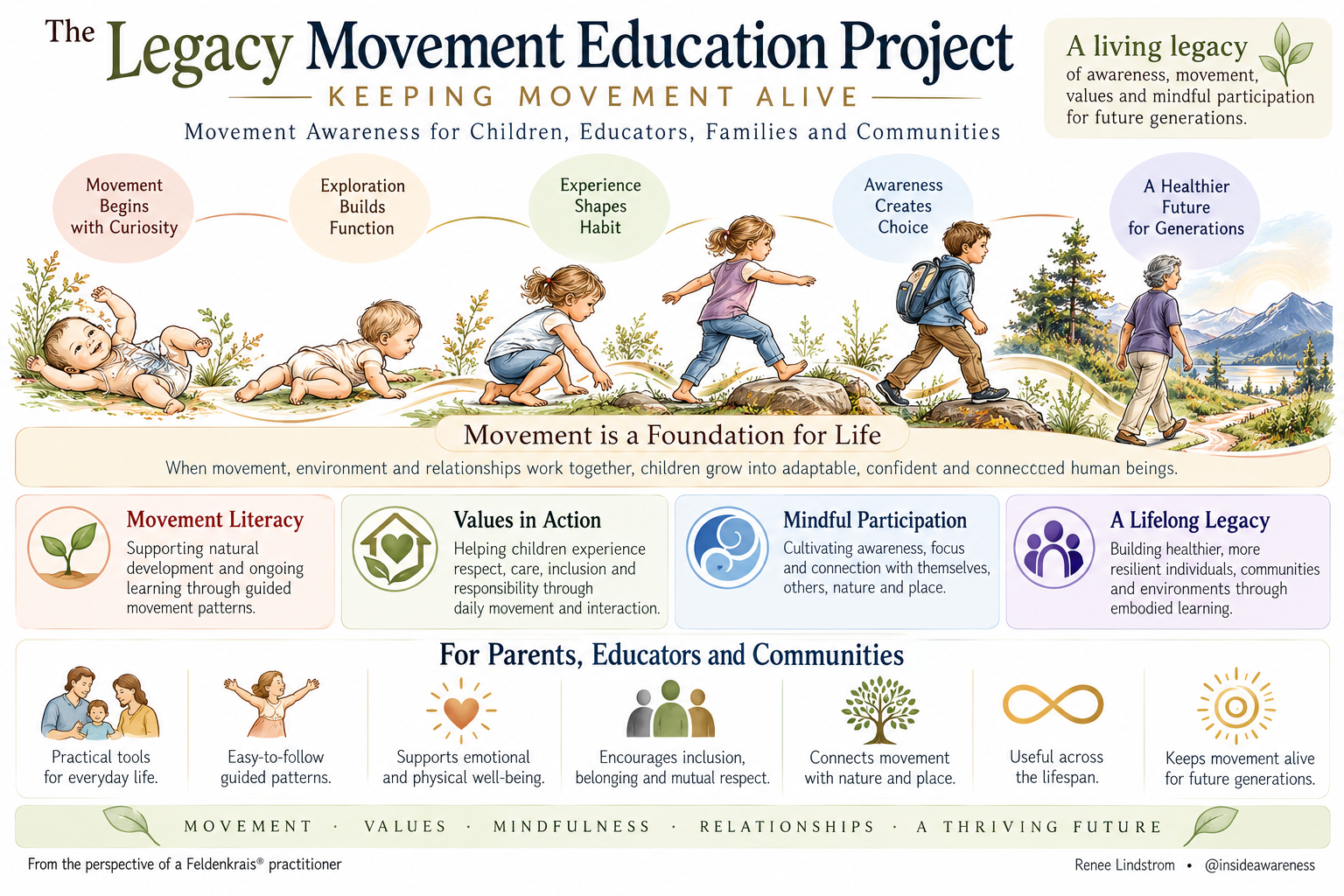
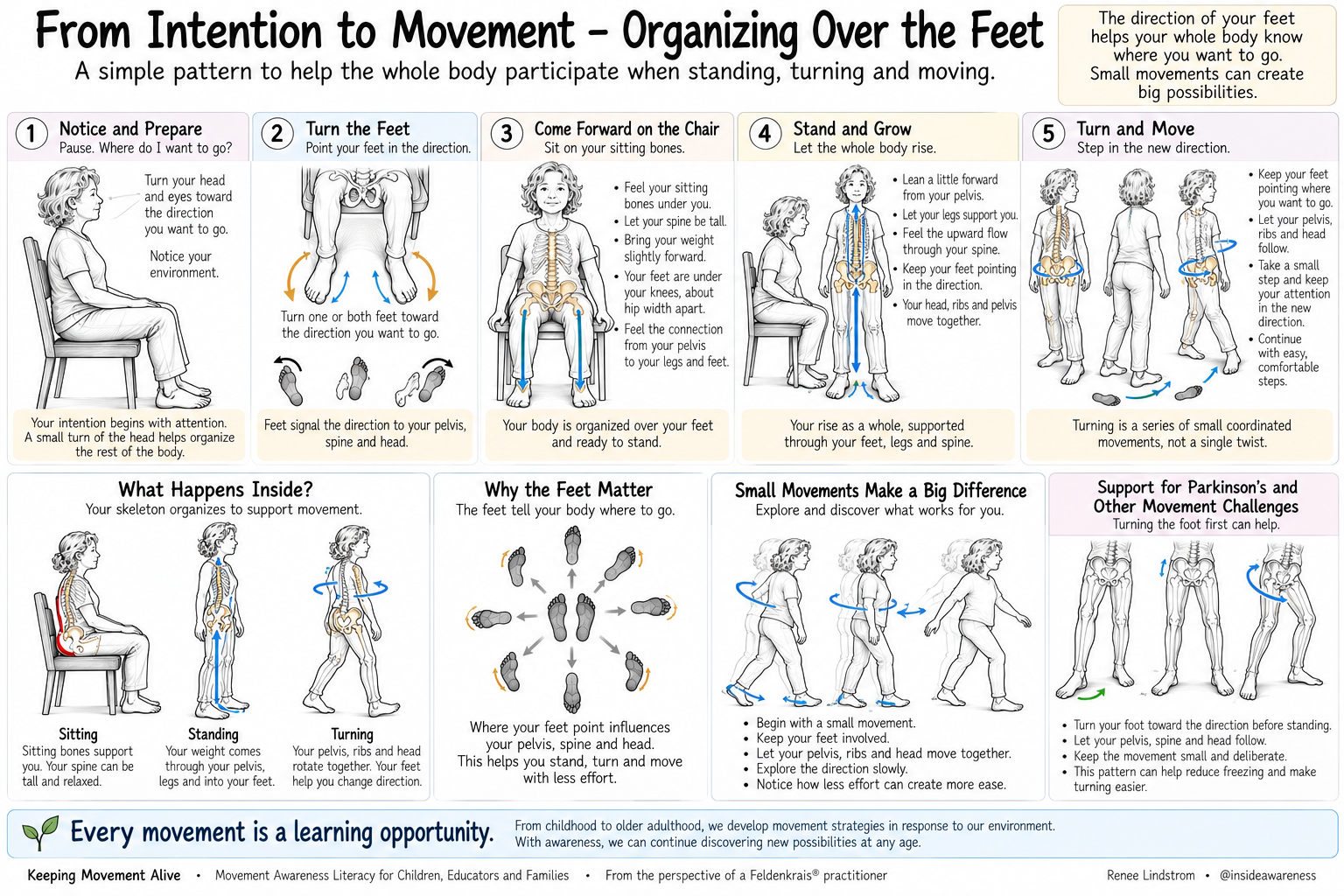
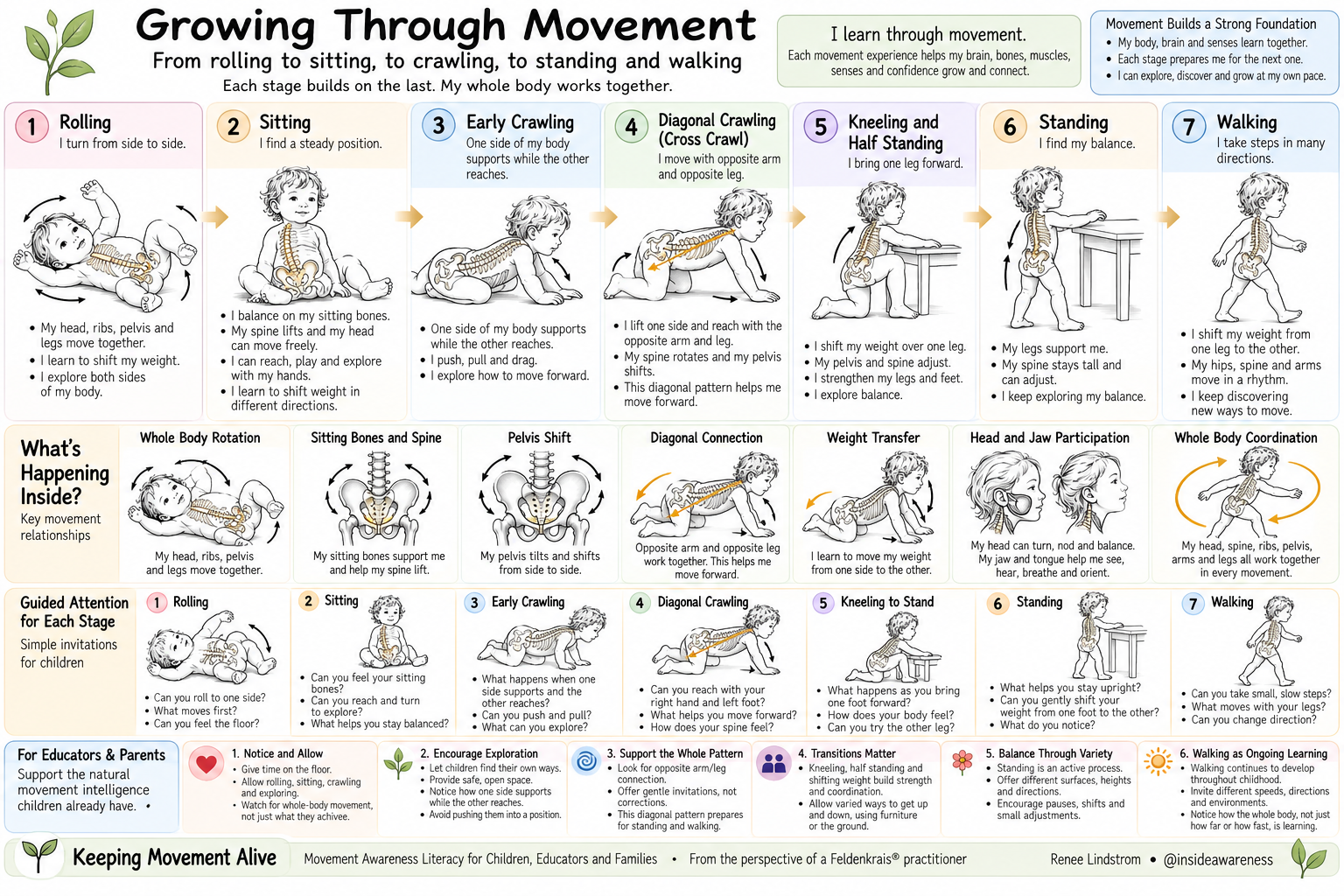
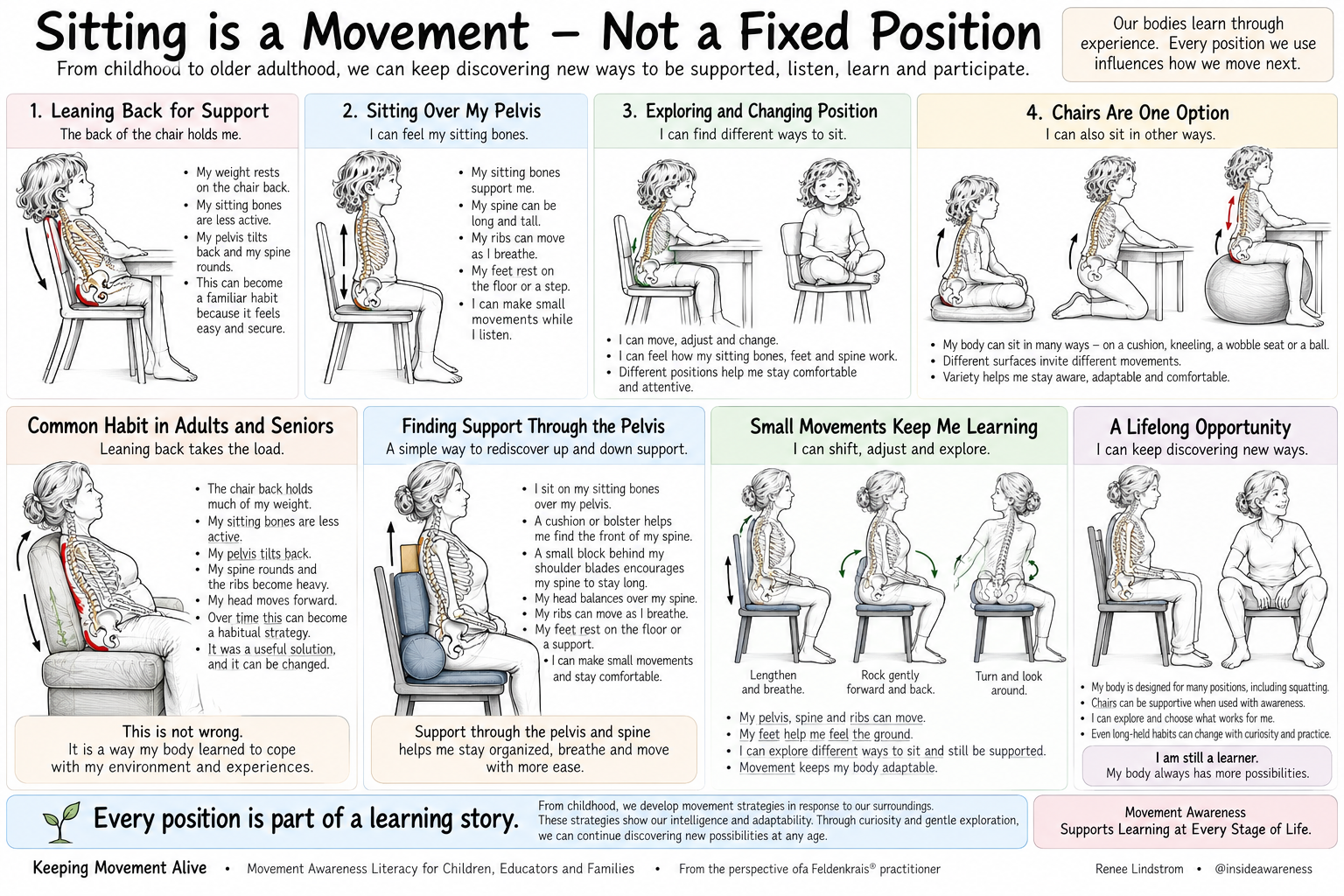
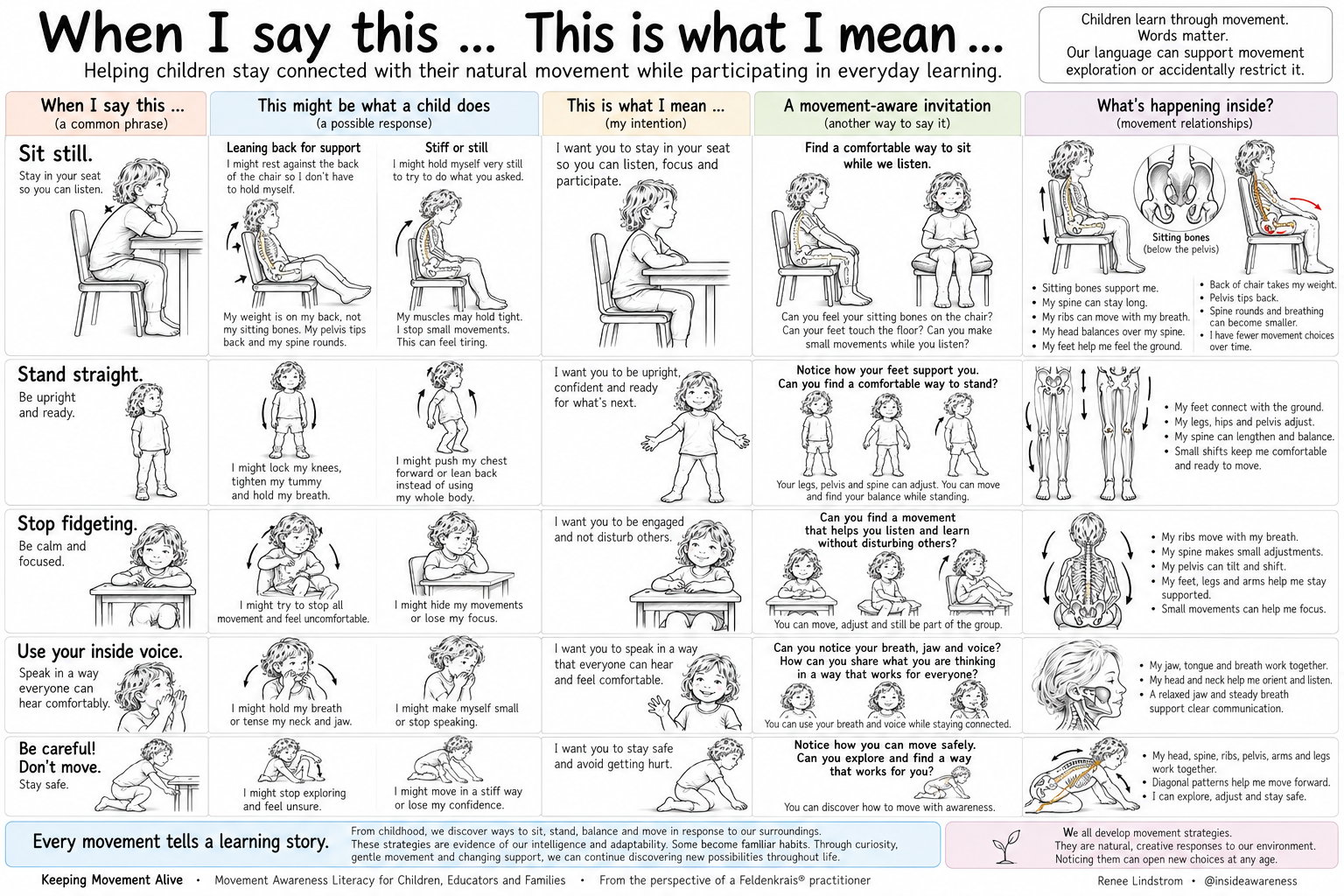
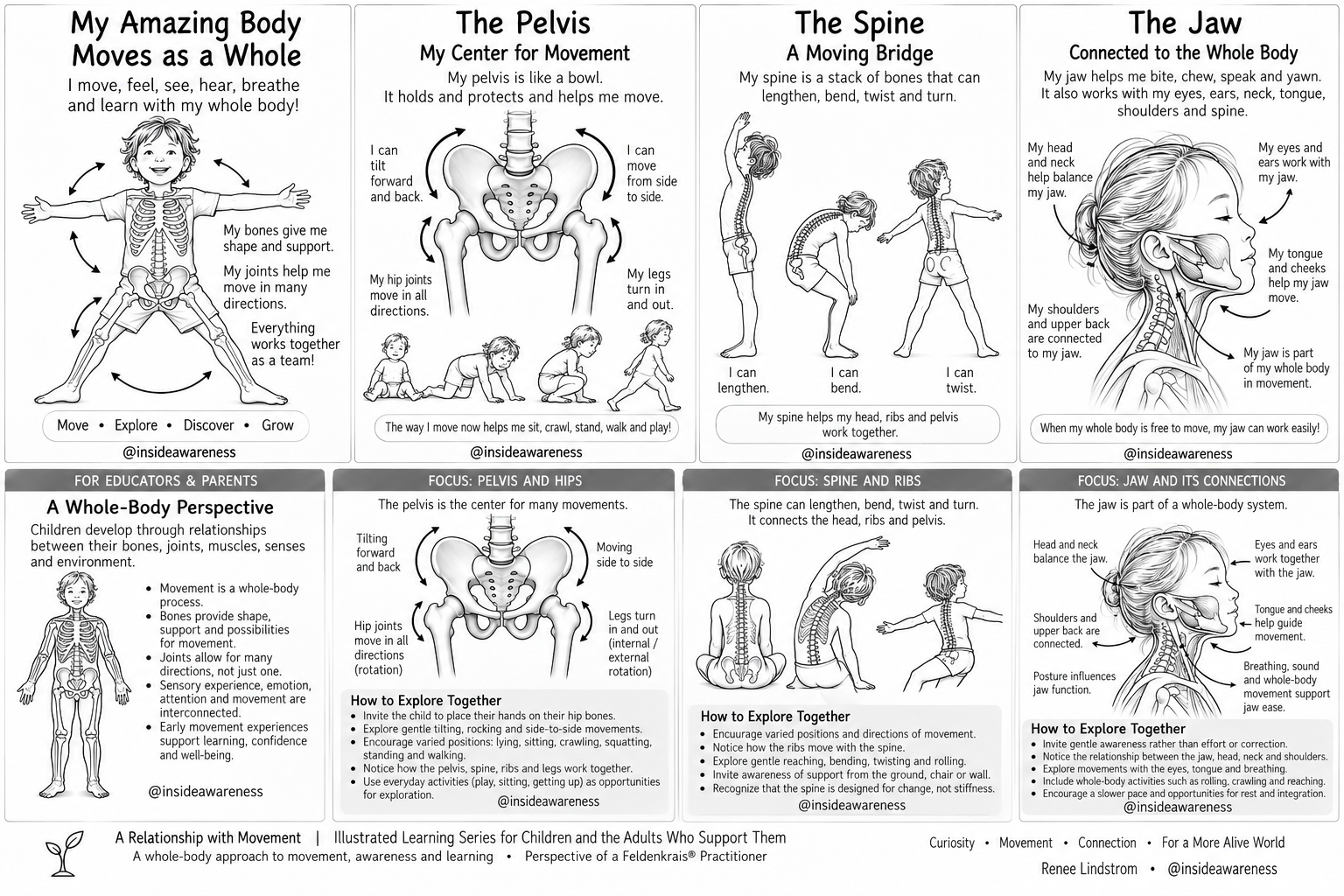
I invite you to explore the program information and share these materials with parents, early childhood educators, teachers, and others who support children’s development.
Read more:
Follow socials:
Copyright 2014 – 2026 Renee
Discover more from Inside Awareness Center for Integrative Somatic Learning
Subscribe to get the latest posts sent to your email.