
by Renee Lindstrom, GCFP
After a long chest ailment when my heart rate was increased my lungs would tighten up and scream with pain. If out walking I would have to put on a mask to regulate my breath and warm the air before passing through to my lungs. I was curious if rebounding would work. Out it came and each day began with jumping. My threshold was low to begin with and slowly it began increasing with the daily workouts. An unexpected bonus was the reduction in the number of times I needed to urinate during the day and the ability to hold my bladder muscles to wait for available washroom facilities. A valued outcome for this author who also starts the day with juicing. This has meant continuous trips to the facilities in the past.
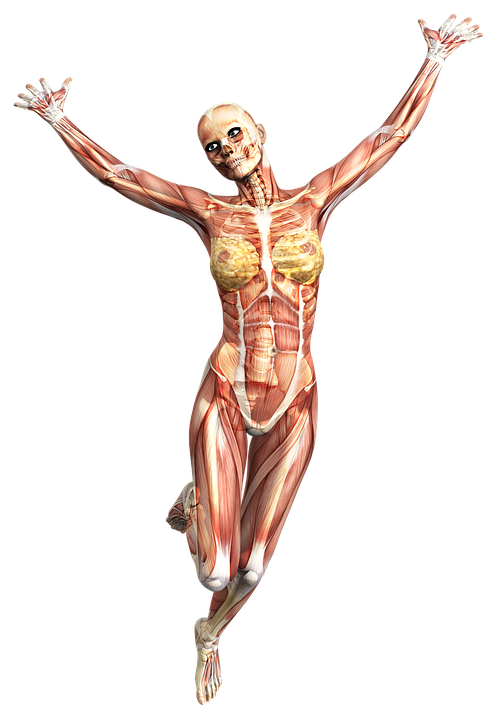
The rebounder surface bounces like a trampoline and requires core balance. Core muscles from the torso down through the pelvis are tightened slightly while at the same time muscles that extend into the thighs are lengthening and contracting. These are the muscles that control the bladder.
As each benefit becomes apparent it’s getting easier to commit to this daily workout. Some of the benefits in my experience have been:
- increased sense of wellbeing
- stronger felt sense of lower body; hips, thighs, knees, legs, ankles & feet
- higher energy, get up and go (feeling aliveness versus drained)
- sounder sleep
- improved stamina & lung health
- decreased inflammation
- tightening flabby areas and creating shape in legs, thighs & belly
I have used the rebounder in the past to support lymph drainage and improve adrenal function. As I continue to improve my threshold and sense of wellbeing I wonder to myself why I ever stopped using it.
I have experienced movement students who have lost mobility due to their lack of active function by unconscious choice, pain or in some cases, illness. Students who begin focusing their attention on their micro-movements find that discomfort decreases, balance and flexibility improve and their quality of life increases. Others believe they don’t have time to take the daily effort that is needed to improve movement function and range of motion. These are the ones I refer to as making a choice for losing range of motion, although unconsciously.
If you don’t use it, you lose it
It isn’t like riding a bike. If days are spent without alternative choices in movement the brain actually does loose the movement patterning. Movement is dumbed down to reflect the dominant activity of the day. This is usually sitting in a chair or sofa looking at a screen. Sitting does not support any functional movement the body is capable of. There is a new analogy circulating that states, “sitting is the new smoking.”
What are some of the other activities that would improve with less sitting?
- balance
- walking
- standing
- running
- bending
- thrusting (improve sexual activity)
- squatting
- rolling
- climbing
- sleeping
- reaching
- breathing
- sitting cross legged
- cutting toenails
- going up and down stairs
As a Feldenkrais Movement Specialist what I am being mindful of in my personal story is how in the past when working out I would over build my muscles to the point of losing connection to my skeleton and sensing its micro-movements and direct force of gravity. I am motivated to find the balance as my capacity to sense and differentiate inner movement is expanding beyond the skeletal movements. This is a slight shift in lifestyle I wasn’t aware of was coming. It’s an exciting new chapter.
READ MORE:
Article – Falling over is sitting and standing
Article –
LEARN MORE ABOUT:
Upcoming Movement Classes
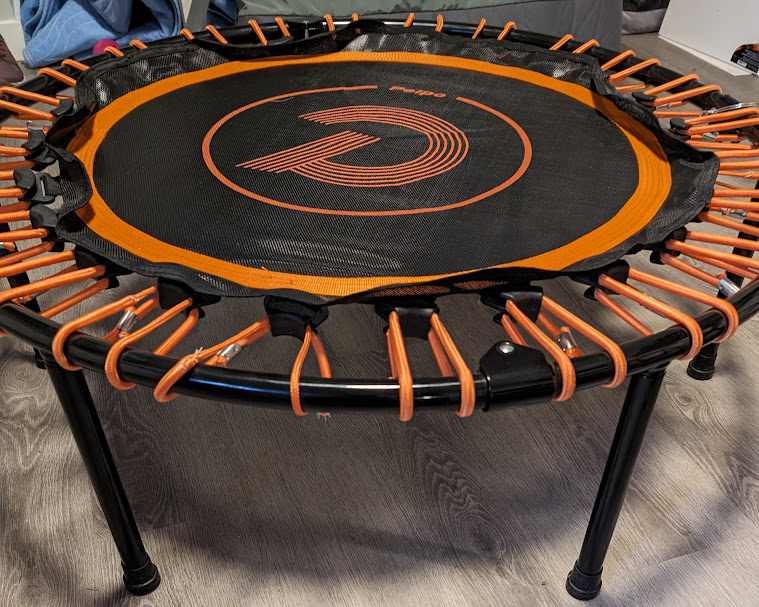
Here is an affiliate link to rebounders on Amazon:
The only way to change is action
Conversation is an equal opportunity and shared experience

1st Phase of Integration – Getting Started (Introduction & Pattern)
2nd Phase of Integration – Getting Intouch (Experiencing & Connection)
3rd Phase of Integration – Integration (Embodiment)

Follow the journey on Twitter, Instagram or Facebook

by Renee Lindstrom, GCFP @ Inside Awareness
…
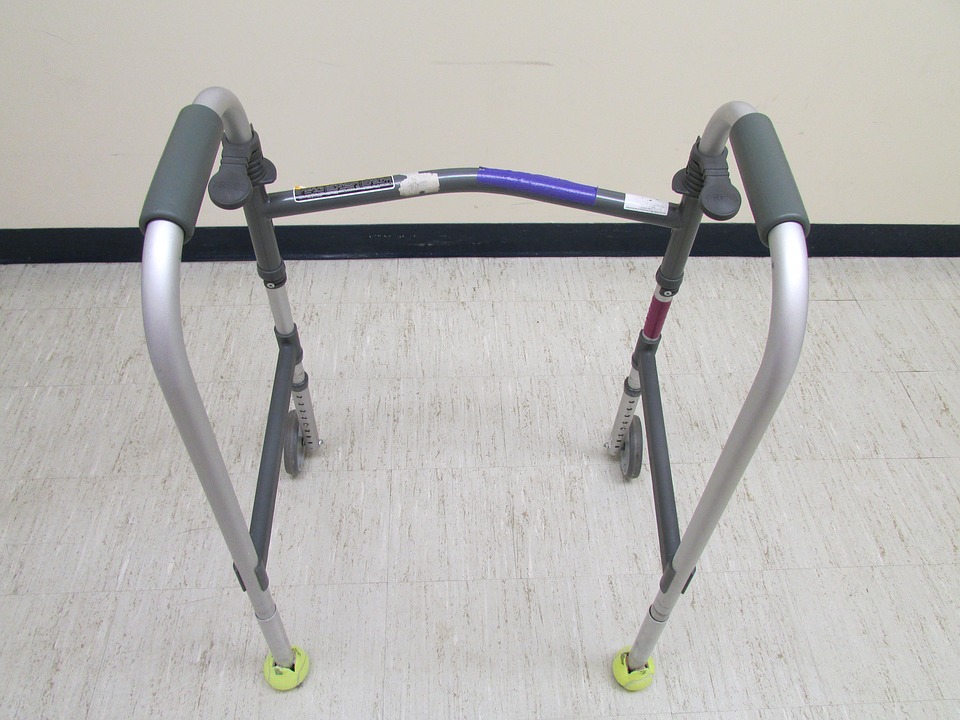 I saw a new student to our balance class walking in behind her walker. She was bent completely over with arms outstretched in front of her, hands on the walker handles, head and eyes looking directly down towards the floor. I was surprised and curious at how to teach the class and include her.
 From the looks of her posture she never stood back up! Did I forget to mention she is 4 foot 11 inches and a senior!
 As my practice matures, there seems to be more ease for clients & students to open to their sexual shame and deep-rooted beliefs that have been implanted by themselves and others that no longer serve them.



 Inside Awareness Center for Integrative Somatic Learning