A human being is like a computer that is capable of thousands of things. But we put in a card that only lets it do one thing. Until you change the card, that is all the computer will do: that one thing, over and over and over. That is the state in which we function and we believe that no other cards exist, that this card is the one and only card that we can function upon. I say that the difference between human beings and machines is that we make the cards. So, when one card doesn´t work, take it out and put in a new card. ‘Moshe Feldenkrais’
‘Moshe’ on changing your habits and creating a new experience
Posted in Quotes
Tagged Awareness through Movement, Change, Experience, Moshe Feldenkrais, motivation
“Moshe on labeling health conditions”
The 24th issue of the Feldenkrais Journal arrived today and one of the articles, The Heart of Our Work, written by Marty Weiner (1943-2011) has a point worth re-sharing.
Marty’s is retelling of a story of Moshe when he was asked by a woman if he could do anything for the arthritis she had in her shoulder. Moshe asked her, “Who told you, you had arthritis?” She replied her doctor had and Moshe told her to go back to her doctor for help.
I bet your wondering why Moshe would say this or if you think you have the answer continue reading and find out what else Marty shares about this Moshe story.
Moshe continued to say, “Go back to your doctor, he is the one that gave you arthritis, maybe he can take it away.”
Connect to find out more about the Feldenkrais® Method and how it is more than movement?
LISTENING is one of the great acts of LOVE
As a facilitator of developing listening skills, I was pleased to hear these two quotes in the following video Dialogue at Washington High:
- “Listening is one of the great acts of LOVE.”
- “An enemy is someone whose story you have not heard.” Gene Knudsen-Hoffman
An exercise of listening the students take part in, after the guest speakers in this video, is similar to one I urge in my groups. To witness the connection in the students,who are from different backgrounds and to hear their surprise at the outcome, verifies to me our need to begin to develop the, ” art of listening. ”
In the tools for learning I encourage, what I call three parts of the dialogue;
- the inner story we tell ourselves (that no hears but us)
- expressing to another
- receiving expression from another
In this clip I enjoyed hearing their interpretation for dialogue, as they refer to it. They mention it is not the following:
- it is not discussion or ideas back and forth, as this isn’t listening
- it is not social conversation
- it is not debate with a winner or loser
What they suggest is that it is a win/win for each person and from this comes new ideas, new ways of thinking where everyone benefits. The practice is simply listening. The exercise is to listen to each other without interruption for 15 minutes and then switch and listen to the other.
This is the basic skill I focus upon in my sessions and we work towards learning how to build upon this so that we can develop it into our everyday experience of interaction. Witnessing and hearing the sharing of the students experiences confirms the value of this technique.
Empathy from cultivating awareness from the inside out
The intent of this article is in the context of how communication and movement can support the decrease of anxiety, stress & fear.
- InTouch Communication: Values & Empathy integration in communication for transforming disconnection into connection
- Feldenkrais Movement: calming one’s nervous system.

Natural World Empathy Support
- Natures Love plant essences blended by Renee: support body, and minds feelings that block emotions and self-confidence
Learn more
- Eating Coloured Foods: Metal, Emotional and Physical Support
Learn more
- InTouch on ‘Empathy and our Brain‘
- InTouch on the Brain – ‘Reactions to Stress’
- Experiencing Presence through Left Brain, Right Brain Movement Awareness
- Find out more on how integrating the arts of movement, communication and space compliment your experience and encompasses a holistic approach to wellness.
Follow on Twitter, Instagram Pinterest or Facebook for more tips
Renee Lindstrom, GCFP,
Feldenkrais® Practitioner since 2007, Value-Based Communication & Empathy Coach since 2004, Art of Placement since 2000, Founder of Greater Victoria Peace & Intercultural Celebrations since 2010 & Greater Victoria Labyrinths since 2012, #yyj Peace Week Calendar Founder – 2014 & 2015

Intouch with Empathy and the Brain: Amygdale, Hippocampus, Prefrontal Cortex

Amygdalus – Implicit Memory:
- present at birth
- includes emotional, behavioral, perceptual and possibly body memory
- no sense of recollection (time) present when memories recalled
- conscious attention is not required for encoding
- does not involve the hippo-campus
Hippo-campus – Explicit Memory:
- requires conscious attention
- includes semantic(factual) and episodic(autobiographical) memory
- develops during the second year of life and beyond
- sense of recollection present when recalled
- if autobiographical, a sense of self and time and present
- if autobiographical, also involves the prefrontal cortex
Prefrontal Cortex
- regulation of body systems
- attuning to others
- balancing emotions
- modulating fear
- responding flexibly
- exhibiting insight and empathy
- paying attention to the body’s wisdom
- morality
When we are triggered beyond our window of tolerance our pre-frontal cortex function stops and we are left in responses of fight or flight. If our reactions shifts into freeze, our brain response has moved from the area of the amygdala and into the hippo-campus with no sense of time and into helplessness.
I have come to understand empathy is an effective tool to balance out the responses of hippo-campus and amygdala. Empathy allows one to recover and calms ones prefrontal cortex. As empathy develops it increases connections back and forth between our right and left brains therefore increasing ones windows of tolerance. I have also heard that empathy may have a direct link in the amygdala’s ability to accelerate the vagus nerve.
This goes beyond simply a reaction and includes the activation of our parasympathetic system through the vagus nerve. See diagram below to get an idea of the areas that become aroused as when we are stimulated.

These reactions includes our motor control. As we surpass our window of tolerance we begin to lose our fine motor control. We begin to lose our ability for tracking, to focus and mind-fully integrate. This involves our ability for self connection, to feel safe, grounded and to be present in the now.
There are theories to suggest the Amygdala is the accelerator through the 3 channels of the vagus nerve that controls our fight, flight and freeze experience and the quickest tool to connect to the Amygdala is through empathy.
Find out more on how integrating the arts of movement, communication and space compliment your experience and encompasses a holistic approach to wellness.
Read more on:.
- Feldenkrias Movement Benefits
- InTouch on ‘Empathy and our Brain‘
- InTouch on the Brain – ‘Reactions to Stress’
-
Book a personalized Coaching session for self, work, group or create a retreat – 250-361-7508

Follow the journey on Twitter, Instagram or Facebook

by Renee Lindstrom, GCFP @ Inside Awareness
InTouch on the Brain – ‘Reactions to Stress’
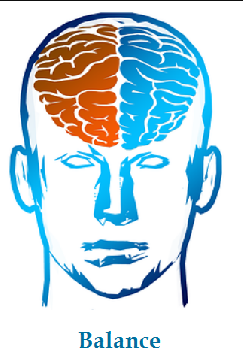
Left Hemisphere Reactions
- distancing, moral superiority, logic, sarcasm, denying, educating, judgments, blame, comparison, addictions, compulsions, mild derogatory self-talk, withholding privileges or resources, letting go of agreements, fantasizing about other partners, other lives, rigidity
Right Hemisphere Reactions
fight or flight
- gossip, criticism of others behind their back, clinging, retelling our story, mild confusion, medium levels of derogatory self-talk, verbal attacks, asking for reassurance, chaos
freeze
- shock, paralyzed
Find out more on how integrating the arts of movement, communication and space compliment your experience and encompasses a holistic approach to wellness.
Read more on:
- Feldenkrias Movement Benefits
-
InTouch with the Brain – Right and Left Hemispheres
-
InTouch on ‘Empathy and our Brain‘
- Introducing the Cerebellum
-
Book a personalized Coaching session for self, work, group or create a retreat – 250-361-7508
Follow the journey on Twitter, Instagram or Facebook
by Renee Lindstrom, GCFP @ Inside Awareness, Living in Natures Love Blog
& Renee Lindstrom Live
Tagged addictions, asking for reassurance, blame, Body & Brain Function, Brain, chaos, clinging, comparison, compulsions, criticism of others behind their back, denying, distancing, educating, fantasizing about other partners, fight or flight gossip, flight, freeze shock, Function, judgments, Left Brain Hemisphere Reactions, letting go of agreements, Logic, medium levels of derogatory self-talk, mild confusion, mild derogatory self-talk, moral superiority, other lives, paralyzed, Reactions, retelling our story, Right Brain & Left Brain Hemispheres, Right Brain Hemisphere Reactions fight, rigidity, sarcasm, verbal attacks, withholding privileges or resources
‘Empathy and our Brain’
by Renee Lindstrom, founder, Inside Awareness Center for Integrative Somatic Learning

~
Empathy can transform reactions at the core conception that forms a cognitive perspective. An example of a shift is a change in feelings of shame, anxiety, or irritation into feelings of understanding, patience and regret.
Responses to outside stimulus are based upon left- brain or right-brain dominance

When the brain is triggered beyond windows of tolerance, the response is fight, flight and freeze
Some of the physical, mental and emotional experiences when going beyond our windows of tolerance could be:
- discomfort, distraction, confusion
Some cognitive reactions when we’ve gone beyond our limits of tolerance could be:
- denying responsibility, advising, diagnosing, educating, making demands and moral judgments, blaming and comparing
Some short-term emotions could be:
- anger, fear, yelling, violence, slamming doors, hanging up, leaving
Some long-term reactions:
- overwhelmed, mortification, terror, dissociation, numbing, going into a trance, leaving your body, going deeply into confusion, being unable to feel your body, shame, not caring what happens to you
Read more on: Physical reactions and the reactions of the left and right hemispheres, to the stimulus of gossiping, sniping, criticizing, moral superiority and logic.
Cultivating effective empathic responses can be learned and experienced mentally, emotionally and physically
Ways of learning and integrating empathetic responses are:
- Awareness through Communication
- Values & Empathy integration in communication transforms disconnection into connection
- Awareness through Movement
- Learned posture responses mimic tolerance or lack of tolerance, translating into unconscious behaviours
- Awareness through Environment
- Cultural patterns create habitual or, lack of tolerance behaviours
- Awareness through Eating
- Brain, body, emotional and cognitive function response to food and drink consumed
More on:
- Feldenkrais Movement Benefits
- InTouch with the Brain – Right and Left Hemispheres
- Introducing the Cerebellum
- Dr. Bolte Taylor on Youtube discussing her experience.
Book a personalized session for self, work or group
250-361-7508


Follow socials:
Copyright 2014 – 2026 Renee Lindstrom, GCFP
Feldenkrais®, Feldenkrais Method®, Awareness Through Movement®, and Functional Integration®, are registered service marks of the Feldenkrais Guild® of North
Tagged advising, Amygdala, Anger, being unable to feel your body, blame, Body & Brain Function, Brain, Brain Activity, comparison, confusion, demands, denying, diagnosing, discomfort, dissociation, distracting, diverting, Education, Empathy, Fear, Fight, Flight and freeze, Function, going deeply into confusion, going into a trance, hanging up, Hippocampus, judgments, leaving, leaving your body, mortification, not caring what happens to you, numbing, overwhelmed, Physical Reactions, Prefrontal Cortex, Reactions, shame, slamming doors, Social Engagement, Stress, terror, Tolerence, Violence, yelling
InTouch with the Brain – Right and Left Hemispheres
by Renee LIndstrom, Founder of Inside Awareness Center of Integrative Somatic Learning
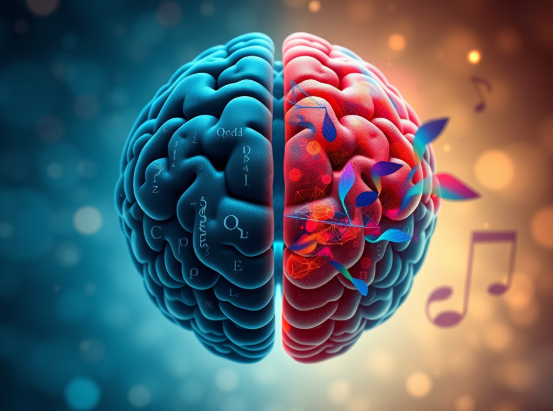
Qualities of Left and Right Hemispheres
Universally accepted qualities of the right and left Brain Hemispheres
The theory of the mind’s function suggests that the two different sides of the brain control two different “modes” of thinking. It also suggests that each of us prefers one mode over the other.
| Left Hemisphere | Right Hemisphere |
| Awareness through Communication | @insideawareness.com |
| Logical | Visual |
| Linear | Attunement |
| Literal | Voice quality |
| Practical language | Eye gaze |
| Making sense | Touch and gesture |
| Social self | Circuits of attachment |
| Spoken/lived narrative | Integrated map of body |
| Detail monitoring | Effective experience |
| Analytic problem-solving | Experience of self |
| Fact accumulation | Beginning of regulation |
| Chalkboard of the mind | Empathetic resonance |
| Working memory | Implicit memory |
| Adding to regulation | I felt autobiographical narrative |
| Handling familiar | Intuition |
| moderate levels of stress | Morality |
| More defined neocortical columns | Metaphorical language |
| Rapid processing of novelty | |
| Severe levels of stress | |
| Integrated neocortical columns |
Have you read The Brains Way of Healing by Dr. Norman Doidge?
Listen to Dr. Doidge’s short introduction to the Brain’s plasticity. He shares the value of the Feldenkrais Method of Somatic Education in supporting shifting the brain’s behaviour for enhancing functional abilities, physically, mentally and emotionally.
Find out more on how integrating the arts of movement, communication and space compliment your experience and encompasses a holistic approach to wellness.
- InTouch on ‘Empathy and our Brain‘
- InTouch on the Brain – ‘Reactions to Stress’
- InTouch on Experiencing Presence through Left Brain, Right Brain Movement Awareness
Book a personalized Coaching session for self, work, group or create a retreat – 250-361-7508

Follow socials:
Copyright 2014 – 2026 Renee Lindstrom, GCFP
Feldenkrais®, Feldenkrais Method®, Awareness Through Movement®, and Functional Integration®, are registered service marks of the Feldenkrais Guild® of North
Posted in Brain
Tagged analytic problem-solving, attunement, beginning of regulation, Body & Brain Function, Brain, chalkboard of the mind, circuits of attachment, detail monitoring, effective experience, empathetic resonance, Empathy Brain, experience of self, fact accumulation, felt autobiographical narrative, Function, handling familiar, implicit memory, integrated map of body, intuition/morality, Left Hemisphere Logical, linear, Literal, making sense, metaphorical language, moderate levels of stress, more defined neocortical columns, more integrated neocortical columns, Practical language, rapid processing of novelty, Right & Left Hemisphere, Right Hemisphere Visual, sever levels of stress, social self, spoken/lived narrative, touch and gesture, voice quality/eye gaze, working memory