Fibromyalgia

Feldenkrais® Method Research

Patients with Fibromyalgia moved more easily, efficiently and with less effort after learning to reorganize the biomechanics of their movements during 15 weeks of Feldenkrais sessions and classes. Immediately following, and six months after completion of the class, improvements in balance, posture and gait were reported. Also reported were reduced pain, increased sleep and reduction in fatigue.

Dean, J. R., Yuen, S. A. & Barrows, SA. “Effects of a Feldenkrais Awareness Through Movement Sequence on Fibromyalgia Patients”.

Kendall, S. A. Ekselius, L. Gerdle, B., Soren, B., Bengtsson, A. Feldenkrais intervention in fibromyalgia patients: a pilot study. J. Musculoskeletal Pain. 9(4):25-35, 2001.

_______________________________________________________

Feldenkrais®, Feldenkrais Method®, Functional Integration®, and Awareness Through Movement®, are Servicemarks of The Feldenkrais Guild®

Low Back Pain

Feldenkrais® Method Research

After four Feldenkrais sessions, 76% of participants with chronic low back pain improved to normal activity. All had tried a variety of other therapies without success and all had experienced discomfort, restriction and stiffness prior to these sessions.

Lake, Bernard. Photoanalysis of Standing Posture in Controls and Low Back Pain: Effects of Kinesthetic Processing (Feldenkrais Method) in Posture and Gait: Control Mechanisms VII. eds. M Woollocott and F Horak, U of Oregon Press, 1992, pp 400- 403.

_______________________________________________________
Feldenkrais®, Feldenkrais Method®, Functional Integration®, and Awareness Through Movement®, are Servicemarks of The Feldenkrais Guild®

Path to Genius by Moshe

“Find your true weakness and surrender to it. Therein lies the path to genius. Most people spend their lives using their strengths to overcome or cover up their weaknesses. Those few who use their strengths to incorporate their weaknesses, who don’t divide themselves, those people are very rare. In any generation there are a few and they lead their generation.”
Moshe Feldenkrais

InTouch “Needs” Awareness ~ for Sept 02 – 08, ’12

Dialogue

“Language is an exact reflection of the character and growth of its speakers.”

M.K. Gandhi

‘value based needs awareness campaign’ 

_______________________________________________________

getting InTouch Needs Awareness WEEKLY VALUE FOCUS BEGINS NEXT WEEK!

Challenging the concept of runners abs in time for running season!

With running season just beginning, check these two great articles out for free!

Author Jae Gruenke has written an article called, “The Runners Abs.”  A concept that would improve the ability, energy and reduce the effort of running.  Find how to download the article here.

_______________________________________________________

Feldenkrais®, Feldenkrais Method®, Functional Integration®, and Awareness Through Movement®, are Servicemarks of The Feldenkrais Guild®

Hands, Computers and You

Hands, Computers and You – An Article on Feldenkrais by Cliff Smyth

We use them almost constantly. A considerable portion of the neurons in the somato-sensory strip of our brains is devoted to them. Yet, as with many aspects of our embodied lives, we often don’t pay much attention to our hands and arms – until we experience some discomfort or pain.

The computer revolution, especially rapid in the Bay Area, means more and more of us spend more of our time sitting (or slumping!) in a chair, making fine movements with our fingers, holding up our arms and hands, and focusing our eyes on characters on a screen.

I remember 30 years ago we used to laugh at the futuristic cartoon character George Jetson who got pain in his finger from his job of pushing a button all day! Today many of us know that pain and discomfort associated with using a keyboard is no joke.

Conventional wisdom says that changing the physical environment through ergonomic improvements or altering the amount of work done (not always an option for many of us) are the best ways to prevent or reduce computer-related injuries.   read more 

_______________________________________________________

Feldenkrais®, Feldenkrais Method®, Functional Integration®, and Awareness Through Movement®, are Servicemarks of The Feldenkrais Guild®

4 Tips for easy sand labyrinth drawing

638px-cretan-labyrinth-round.svg

by Renee Lindstrom, GCFP @ Inside Awareness

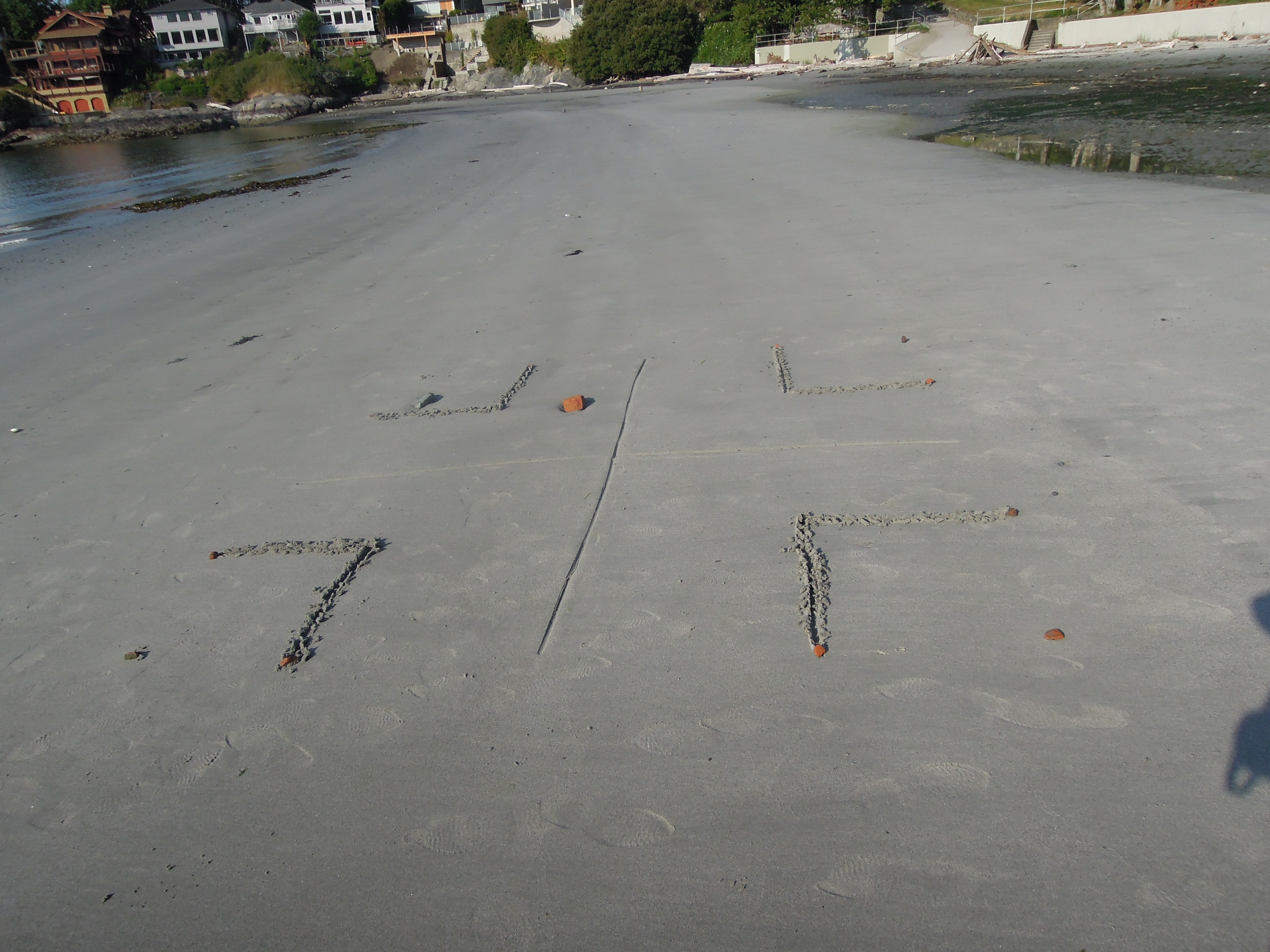
  • Tip 1.  Look for a space on the beach that may have some interesting pieces of sea nature.  Why? – Find out more.
  • Tip 2.  Gather 16 small pieces from the beach that will become reminders to you in your labyrinth pattern.  Such as colored stones, shells, fun pieces of sea glass.
  • Tip 3.  Find a long stick to draw lines in the sand with.
Drawing a 4 Seed Labyrinth
  • Tip 4.  Once you have laid out the cross, four two-sided squares and planted your four trees, place the bits that you have gathered (in step two) at these points to become markers so these points stand out.

Read more on drawing a sand labyrinth:

Recommended:


Copyright 2014 – 2026 Renee Lindstrom, GCFP,
Feldenkrais® Practitioner since 2007, Value-Based Communication & Empathy Coach since 2004, Art of Placement  since 2000, Founder of Greater Victoria Peace & Intercultural Celebrations since 2010 & Greater Victoria Labyrinths since 2012, #yyj Peace Week Calendar Founder – 2014 & 2015