Tag Archives: #Feldenkrais

The disconnection and detachment with our body parts causes fear, anxiety, panic, irritation, anger and lack true potential in movement

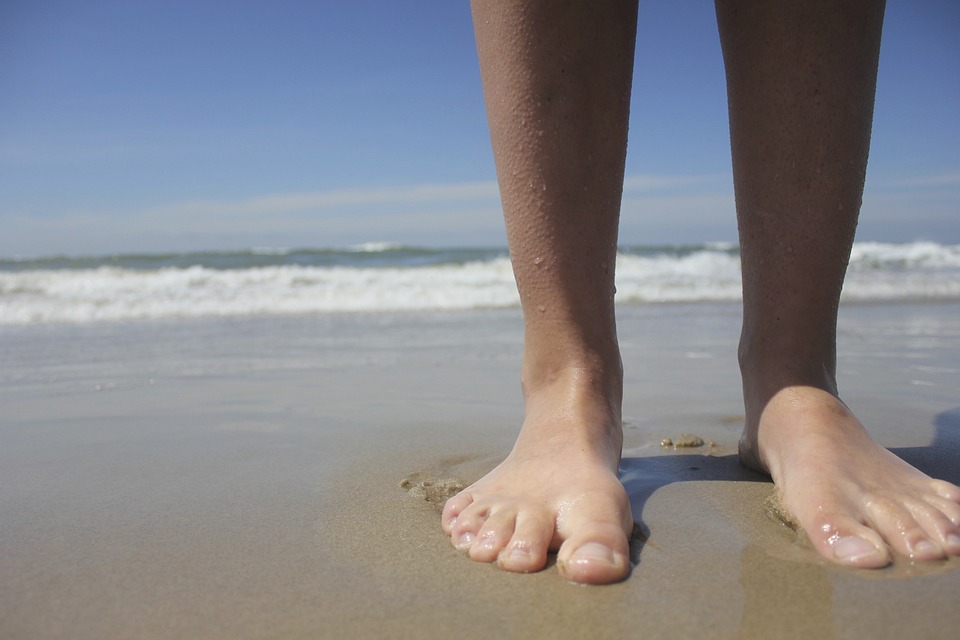
In a post called, “Lost connection with our feet,” I introduced the concept of people often referring to their body parts as a third party in our conversation. Our cultural conditioning leaves the majority of us disconnected from having a focused felt sense of the body parts that keep us upright to stand, walk, run, sit and get up from standing or out of bed. Pain will be felt immediately and that will be the focus of the conversation. People will point to an area where they feel pain usually without the ability to identify the body part, or they will give an incorrect label of the body part they want checked out.

The education that has been a part of our cultural conditioning has lacked focus on the integration of the connected experience through the body. I have found that the focus is on memorizing the names of the muscles, bones and organs rather than focusing attention on the experience of those part’s from a felt sense ability through the transitions of movement. Even suggesting the focus of attention on ones felt senses will be received with varying degrees of experiential understanding and thoughtfulness. The response is usually related to yoga, tai chi, kinesiology, physical therapy or some other exercise patterns versus the actual ability to either visualize the movement or feel the functional aspects of it. There is a blank in understanding and clarity. The mind goes to association with other outside possibilities. As an empathic responder to the environment inside and out this was the hardest gap to bring clarity to for myself and others.

As a Feldenkrais Practitioner this tells me that the person responding back with these comparisons is unable to quiet the mind of memories and analysis long enough to go into feeling the actual functional connected movement patterns inside their body. The mind is actively seeking answers and concepts versus sensing. This is an important concept to distinguish as the two abilities are used for different outcomes. In my experience the analytical comparisons will not support a new pattern of movement that integrates into the brain and body connection via neural pathways. Rather, it will became an artificial strategy creating rigidity and blocking an increase in a range of motion. The expectation created by the thinking and need to know will increase the level of pain, anxiety and pain which will increase the contraction in the muscles and soft tissue intensifying the pain. It will create a contrived pattern of movement that is memorized with the concept of being the right way to do it versus organic spontaneous movement. The rigidity will significantly increase the levels of pain even more and reduce all function due to the levels of fear associated with the pain.

People seek answers and will even ask, is this the right way to….. walk, balance breath, etc., forgetting that as a baby they couldn’t ask anyone. Their movement was free range and more efficient than any current day concept.

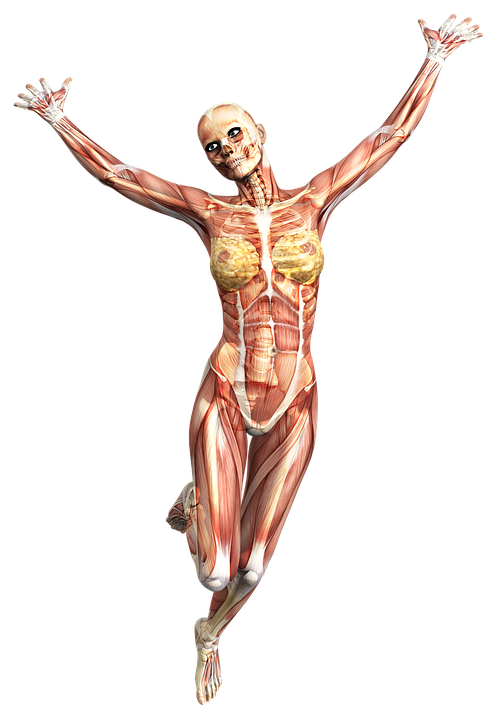
This lack of mindful clarity and understanding to the interconnectedness of the physical body creates a disconnect to the skeleton and it’s available core micro movements. In the post mentioned in the first sentence called, “Lost connection with our feet,” the focus was on the functional physical balance. In Chinese medicine the 6 meridians that are focused upon in acupuncture begin in the mouth and end in the feet. This training suggests that the energy is released from the body through the feet into the earth’s gravity. The feet connect the bodies energy to the earth’s gravity. In Feldenkrais the functional perspective of the skeleton is viewed as architectural engineering and the view is how the feet connect with the earth’s gravity by pushing off it. When pushing off the earth the force of the earth’s gravity translates from the feet through the core of the skeleton all the way to the skull. However to experience this efficiently the focus of core movement is through the skeleton, not concepts, muscles, or flow of energy in patterns. These add value to movement, however they cannot create the experience of pushing off from the earth’s gravity.

The dominant force of movement pushing off the earth using the skeleton with the micro movements through the bones and joints tones the muscles. (Not the same as yoga stretches or massage) Muscle development is of value, however not the central core of whole and spontaneous healthy movement. Dominant muscle focus lifts the feet away from the earth that translates into walking separately from, or against, the earth instead of with it. The bones create connection with the earth while the muscles create disconnection.

When someone is walking through the force of the earth’s gravity through the skeleton there is less effort, more flexibility and an increase in resilience. If there is pain in one’s feet there are higher levels of anxiety, irritability, anger and panic. As one limbers up through miro movements, the pain subsides along with irritability, anger and panic.

This Feldenkrais Practitioners perspective of balance begins in the micro movement availability of the skeleton as it responds to the environment. This includes pushing off the earth’s gravity through the bones. As an ex Shoe Store Manager there is some understanding of the cultural conditioning that has evolved through the generations of shoe development.

Upcoming Awareness through Movement Group Lesson Series

For Personal Functional Integration get in touch

by Renee Lindstrom
 1st Phase of Integration โ€“ Getting Started (Introduction & Pattern)
 2nd Phase of Integration โ€“ Getting Intouch (Experiencing & Connection)
 3rd Phase of Integration โ€“ Integration (Embodiment)

Follow the journey on TwitterInstagram or Facebook

Copyright 2014 โ€“ 2024 Renee Lindstrom, GCFP
Feldenkraisยฎ, Feldenkrais Methodยฎ, Awareness Through Movementยฎ, Functional Integrationยฎ, are registered service marks of the Feldenkrais Guildยฎ of North America. Feldenkrais Methodยฎ

SHARE THIS:

Lost connection with our feet

As a Feldenkrais Practitioner the lost connection of mankind with their feet is observable in every student’s posture that attends my Awareness through Movement Lessons. One series is called, “Balance and a Fear of Falling.” In one-on-one Functional Integration sessions, it is felt through the movement patterns themselves. After the first lesson in the focused movement class series there will usually be such a huge shift in the individual participants abilities to balance that some students will report this back in the second class. They also seem happy in sharing that there is a drop in their fear levels. I will witness class participants leave their canes behind at the end of the second and third classes which I have to remind them to take with them. By the fourth class they are coming without them.

So, what is the secret? The simplest answer is that Feldenkrais doesn’t focus on the strategy to fix a perceived problem. Most Practitioners don’t get caught up in the ego of philosophies where it becomes about the label, appearance, or fame by being in competition with other modalities. It can be corrupted by those Practitioners that do though who are trying to capture it’s elusive nature and fit it into the preexisting knowledge base of human concepts. Organic learning is not containable in the precepts of the human mind. Moshe was a scientist with a mind that loved to explore learning like an adventure. This is a key element that has been passed down in a good practitioner.

In the Balance class mentioned above our first focus in on feet. The cultural conditioning in our society has caused a lost connection with one and their feet. Time and time again I hear this disconnection in the stories I am told and that I visually see in oneโ€™s response to their own feet. Usually, the speaker addresses their feet as a separate part of themselves. They have no whole connection to them as being a whole part of themselves. This is typical of an analytical process thinker in my experience. Their body parts and functions will be expressed with an outside view in the manner of it being a third party and no attachment. Imagine standing on one’s feet with no attachment to their felt sense.

These cultural conditioning habits of our society are points brought to the surface of attention in our movement lessons, however the emphasis as a Practitioner is on aligning one’s felt senses to the micromovements in the bones associated with the feet. The emphasis is on cultivating awareness, not memorizing one pattern, as one needs many patterns when it comes to balancing.

Currently live group classes happen at #yyj’s Monterey Recreation Centre in Oak Bay. I also work with people privately in person, online, over the phone and yes even by text and email depending upon the needs and travel of students.

Past career segways into understanding the social and cultural conditioning of feet

After a challenging year and a half that ended with the loss of my father, my mother, my lover and letting go of the strong hold of my career, I entered into a year of grace. I landed in #yyj’s Greater Victoria Communities and began living on a sailboat at Fisherman’s Wharf after finally taking a career break never explored previously. This began a journey to reintegrate into my empathic nature and to understand it, Re-emerging into society from a year of retreats and learning with a focus on a new career direction as a store manager ended up being with a shoe chain. Working for Naturalizer as store manager for stores at both Hillside and Mayfair Malls became quite an opportunity to explore the human conditioning with one’s feet. In a deep empathetic state while viewing the shape of peopleโ€™s feet had a giant impact. This experience is a key foundational understanding I tap into when working on balance and cultural conditioning with my students. I am not a salesperson by nature and couldn’t consciously sell to people something through manipulation, so it was a short career. Even the carrot of taking on Regional Manager for B.C. wasn’t far enough removed from that behavioural conditioning.

Upcoming Awareness through Movement Group Lesson Series

For Personal Functional Integration get in touch

by Renee Lindstrom
 1st Phase of Integration โ€“ Getting Started (Introduction & Pattern)
 2nd Phase of Integration โ€“ Getting Intouch (Experiencing & Connection)
 3rd Phase of Integration โ€“ Integration (Embodiment)

Follow the journey on TwitterInstagram or Facebook

Copyright 2014 โ€“ 2024 Renee Lindstrom, GCFP
Feldenkraisยฎ, Feldenkrais Methodยฎ, Awareness Through Movementยฎ, Functional Integrationยฎ, are registered service marks of the Feldenkrais Guildยฎ of North America. Feldenkrais Methodยฎ

Another bonus of rebounding – tighter pelvic floor muscles

by Renee Lindstrom, GCFP

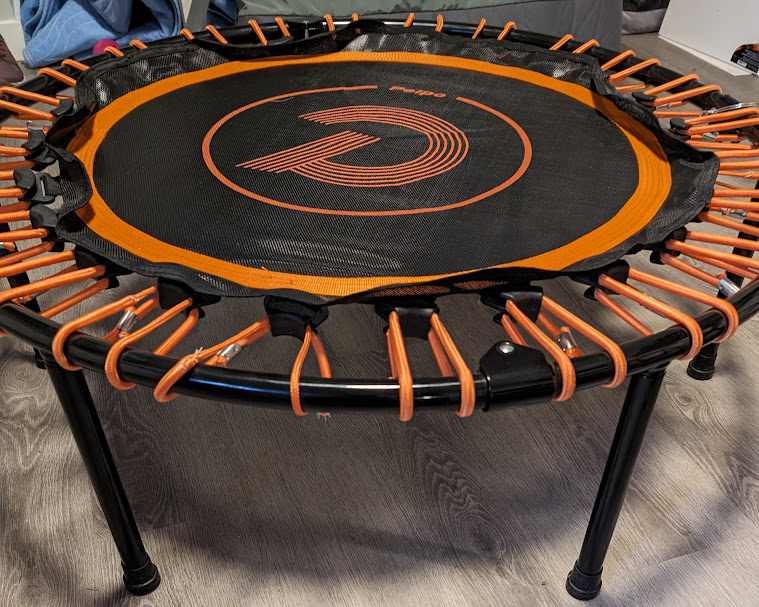
After a long chest ailment when my heart rate was increased my lungs would tighten up and scream with pain. If out walking I would have to put on a mask to regulate my breath and warm the air before passing through to my lungs. I was curious if rebounding would work. Out it came and each day began with jumping. My threshold was low to begin with and slowly it began increasing with the daily workouts. An unexpected bonus was the reduction in the number of times I needed to urinate during the day and the ability to hold my bladder muscles to wait for available washroom facilities. A valued outcome for this author who also starts the day with juicing. This has meant continuous trips to the facilities in the past.

The rebounder surface bounces like a trampoline and requires core balance. Core muscles from the torso down through the pelvis are tightened slightly while at the same time muscles that extend into the thighs are lengthening and contracting. These are the muscles that control the bladder.

As each benefit becomes apparent it’s getting easier to commit to this daily workout. Some of the benefits in my experience have been:

  • increased sense of wellbeing
  • stronger felt sense of lower body; hips, thighs, knees, legs, ankles & feet
  • higher energy, get up and go (feeling aliveness versus drained)
  • sounder sleep
  • improved stamina & lung health
  • decreased inflammation
  • tightening flabby areas and creating shape in legs, thighs & belly

I have used the rebounder in the past to support lymph drainage and improve adrenal function. As I continue to improve my threshold and sense of wellbeing I wonder to myself why I ever stopped using it.

I have experienced movement students who have lost mobility due to their lack of active function by unconscious choice, pain or in some cases, illness. Students who begin focusing their attention on their micro-movements find that discomfort decreases, balance and flexibility improve and their quality of life increases. Others believe they don’t have time to take the daily effort that is needed to improve movement function and range of motion. These are the ones I refer to as making a choice for losing range of motion, although unconsciously.

If you don’t use it, you lose it

It isn’t like riding a bike. If days are spent without alternative choices in movement the brain actually does loose the movement patterning. Movement is dumbed down to reflect the dominant activity of the day. This is usually sitting in a chair or sofa looking at a screen. Sitting does not support any functional movement the body is capable of. There is a new analogy circulating that states, “sitting is the new smoking.”

What are some of the other activities that would improve with less sitting?

  • balance
  • walking
  • standing
  • running
  • bending
  • thrusting (improve sexual activity)
  • squatting
  • rolling
  • climbing
  • sleeping
  • reaching
  • breathing
  • sitting cross legged
  • cutting toenails
  • going up and down stairs

As a Feldenkrais Movement Specialist what I am being mindful of in my personal story is how in the past when working out I would over build my muscles to the point of losing connection to my skeleton and sensing its micro-movements and direct force of gravity. I am motivated to find the balance as my capacity to sense and differentiate inner movement is expanding beyond the skeletal movements. This is a slight shift in lifestyle I wasn’t aware of was coming. It’s an exciting new chapter.

READ MORE:

Article – Falling over is sitting and standing

Article –

LEARN MORE ABOUT:

Awareness through Movement

Upcoming Movement Classes

Renee’s rebounder

Here is an affiliate link to rebounders on Amazon:


The only way to change is action

Conversation is an equal opportunity and  shared experience

by Renee Lindstrom
 1st Phase of Integration โ€“ Getting Started (Introduction & Pattern)
 2nd Phase of Integration โ€“ Getting Intouch (Experiencing & Connection)
 3rd Phase of Integration โ€“ Integration (Embodiment)

Follow the journey on TwitterInstagram or Facebook

by Renee Lindstrom, GCFP @ Inside Awareness

โ€ฆ

Copyright 2014 โ€“ 2024 Renee Lindstrom, GCFP
Feldenkraisยฎ, Feldenkrais Methodยฎ, Awareness Through Movementยฎ, Functional Integrationยฎ, are registered service marks of the Feldenkrais Guildยฎ of North America. Feldenkrais Methodยฎ

About Renee Lindstrom ‘s intention for living in the garden of life

I, like many, wasn’t borne into a thriving, balanced and attuned family landscape.ย  The illusive patterns that sowed the illusive culture of my lifestyle weren’t heart-centered.ย  Instead they were based upon fear, anger, unhappiness, discontent and jealousy.

Thinking

This led to years of seeking out meaning, understanding, and a life purpose that didn’t include the harming elements of my earlier family life.ย  This also led to supporting others along the way.

Through this exploration I haveย  made the connection to one’sย  thinking and their results.ย  I have observed how the ways of ‘thinking’ create one life’s garden.

We are prisoners to our thinking

To put it another way,ย  I have seen and experienced examples of how we think becomes what we experience andย  create in our lifestyle.ย  A lifestyle that can be calm and wonderful, or chaotic.ย  Thinking seems to be responsible for how we actively respond mentally, emotionally, physically and spiritually.ย  Being unconscious to it makes us prisoners to it.

I have also discovered the process of thinking is separate from mental functions.ย  How do I know this?ย  As a babe we aren’t born with a pattern of thinking, yet as a babe we had the mental ability to integrate cultured patterns of thinking.

Usually ones focus isn’t on the brain’s functional abilities and its relationship to how experiences are processed.

I have witnessed and heard stories ofย  life timesย  lived through reactive behaviours originating from thoughts.ย  Thoughts based upon one’s thinking process that are not real or the truth of what is happening in the moment.ย  One example of a case study in years past is the reaction of running from situations,ย  literally by driving across the continent!ย  As the reaction would begin to calm I would be contacted only to discover the flight was from an initial triggering thought that wasn’t connected to any real actions of checking in to the source of it.ย  The flight was an expensive reactive behaviour mentally, emotionally, physically, financially and spiritually.

Exploring this life path I have discovered that even though I was born long after the honeymoon was over in my families experience, I thrive in beauty and the attributes of loving kindness, and have a high propensity for empathy.ย  My family and I simply weren’t a match.ย  In retrospect, the pain and suffering became the incentive to find ways to align with my true nature.ย  Along the way I have found clarity and understanding, and come away with some ways to live in the beauty that the garden of life can be.

A system of understanding to have clarity & for understanding

that is balancing

Sharing these ways with others while continuing my own practices has become an open system of learning.ย  This system goes out beyond the closed thinking patterns of making evaluations and moral judgments, and beliefs ofย  right and wrong thinking.ย  Each of the methods I integrated had their challenges in the learning stages due to the depth of ego that is experienced in our culture.ย  Ego is imbedded into behaviour yet it’s another elusive quality that people experience without being consciously aware of it and unable to identify and name it.

To borrow an evaluative experience from Buddhism, each method I dug deeply into is founded upon the concept of becoming enlightened.ย  However the challenges ofย  the teachers and participants wanting to be seen, heard and valued caused hurdles to overcome and created events of pain and suffering for all immersed in the educative experiences.ย  ย  Taking the time to integrate these methods as a foundation for living myself has taken time and evolved over the years.ย  The system I am interested in contributing follows the Buddhist concept of eliminating incorrect use of ego.ย  We all have ego, however, I focus upon ego usage that pays attention to power with, not more over/under.ย  Why?ย  I want to live in the beauty that inspires and motivates.ย  The heightened stimulus I hope to experience comes from passion.ย  Passion for life, living and creating.

Mentoring others to switch on their innate ability to learnย 

Somes ways of contributing to others as they commit to engaging in life to align more with their true nature are with individual programs or mentoringย  integratable life components.ย  ย Life area programs and components focus in these areas of one’s experiences:

  • surroundings
  • inner sense of oneself (confidence, self-esteem, empowerment)
  • life purpose
  • cultivating awareness to identify and name intention
  • functional movement that cultivates awareness that holds the connection to the interplay of body movement, reactive behaviour, thinking and emotions
  • functioning relationships that cultivates awareness the holds the connection to the interplay of what’s real in the moment, what one thinks, and how one responds
  • value-based programs to support inner discernment to transformย  moral judgments into value based judgments

Finding your intention and creating a target for meeting the goals of who you long to be with these programsย 

The learning modules here at Inside Awareness can be specific to life areas whether you are:

  • looking for your life purpose
  • seeking to improve your relationships to all life
  • wanting to enhance your physical abilities
  • introduce a sense of sacredness in your environment

Each module are concrete actions steps that bring one into the shift they long for.

Each module has a foundation in practical steps and have applications that are logical yet bring focus to the elusive.

Renee focuses upon switching back on oneโ€™s inherent ability to learn where the experience becomes the teacher and the student becomes the sage.

The intention is to increases creativity and expressiveness in living.by Renee Lindstrom

Awareness Through Livingย Mentoring Programs Available:

ย 1st Level โ€“ Getting Started (Introduction & Pattern)
ย 2nd Level โ€“ Getting Intouch (Experiencing & Connection)
ย 3rd Level โ€“ Integration (Embodiment)


Follow the journey onย Twitter,ย Instagramย orย Facebook

by Renee Lindstrom, GCFP @ Inside Awareness,ย ย Living in Natures Love Blog
&ย Renee Lindstrom Live
Copyright 2014 โ€“ 2020 Renee Lindstrom, GCFP

Balance Tip for falling fear when going down inclines

Are you fearful of falling going down stairs or an incline? This is theย  number oneย  question at Renee’s Balance & A Fear of Falling Movement Series.ย 

silhouette-3127516__340

Her answer:ย ย 

Drop your center of gravity

Try it.ย 

  • Drop your center of gravity.ย  Can’t figure it out?ย  Bend your knees and let your butt drop down slightly.ย  Notice the difference in your feet.
  • Straighten up again and notice your body weight and posture
  • Now drop down and notice the difference.

Bending your knees and dropping your butt slightly is more grounding and can give one a sense ofย  solidness in their feet calming the fear center.

Learn more aboutย Feldenkraisย 

Learn more aboutย Movement Series

by Renee LindstromEffective Movement Postureย ย Mentoring Programs Available:

ย 1st Level โ€“ Getting Started (Introduction & Pattern)
ย 2nd Level โ€“ Getting Intouch (Experiencing & Connection)
ย 3rd Level โ€“ Integration (Embodiment)

Follow the journey onย Twitter,ย Instagramย orย Facebook

by Renee Lindstrom, GCFP @ Inside Awareness,ย ย Living in Natures Love Blog
&ย Renee Lindstrom Live

Feldenkraisยฎ, Feldenkrais Methodยฎ, Awareness Through Movementยฎ, Functional Integrationยฎ,ย are registered service marks of theย Feldenkrais Guildยฎ of North America. Feldenkrais Methodยฎ

Throat Chakra Focus in today’s Gemini Moon

Gemini is associated with the Throat Chakra which governs the voice, endocrine gland, thyroid, and communication.ย  It relates to truth, nobility, serenity, spiritualism, thoughtfulness and kindness.ย  It is associated with faith, caring, peace and fidelity.

Clarity Symbol

More on Gemini:

by Renee Lindstrom, GCFP @ Inside Awareness,ย ย Living in Natures Love Blog
ย &ย Renee Lindstrom Live

MENTORING IS AVAILABLE FOR EFFECTIVE PERSONALย  INTEGRATION

Book a personalized Coaching session for self, work, group or create a retreat โ€“ 250-361-7508

Goals, Food, Movement & Life Style Updates

Follow the Journey onย Twitter,ย Instagramย orย Facebook


ย 

1st Chakra Movement influences of Capricorn Moon

Capricorn is associated with the Root Chakra and governs personal survival and basic needs for shelter, food, water and safety.

This 1st Chakra governs motivation, groundedness, power, creativity, will power, aliveness, courage, and feelings towards ones ownย  physical body.

The 1st Chakra is an Earth Element and Capricorn is aย  an Earth Element

by Renee Lindstrom, GCFP @ Inside Awareness,ย ย Living in Natures Love Blog
ย &ย Renee Lindstrom Live

Book a personalized Coaching session for self, work, group or create a retreatย 

Calendar

Goals, Food, Movement & Life Style Updates

Follow the Journey onย Twitter,ย Instagramย orย Facebook