Tag Archives: Feldenkrais

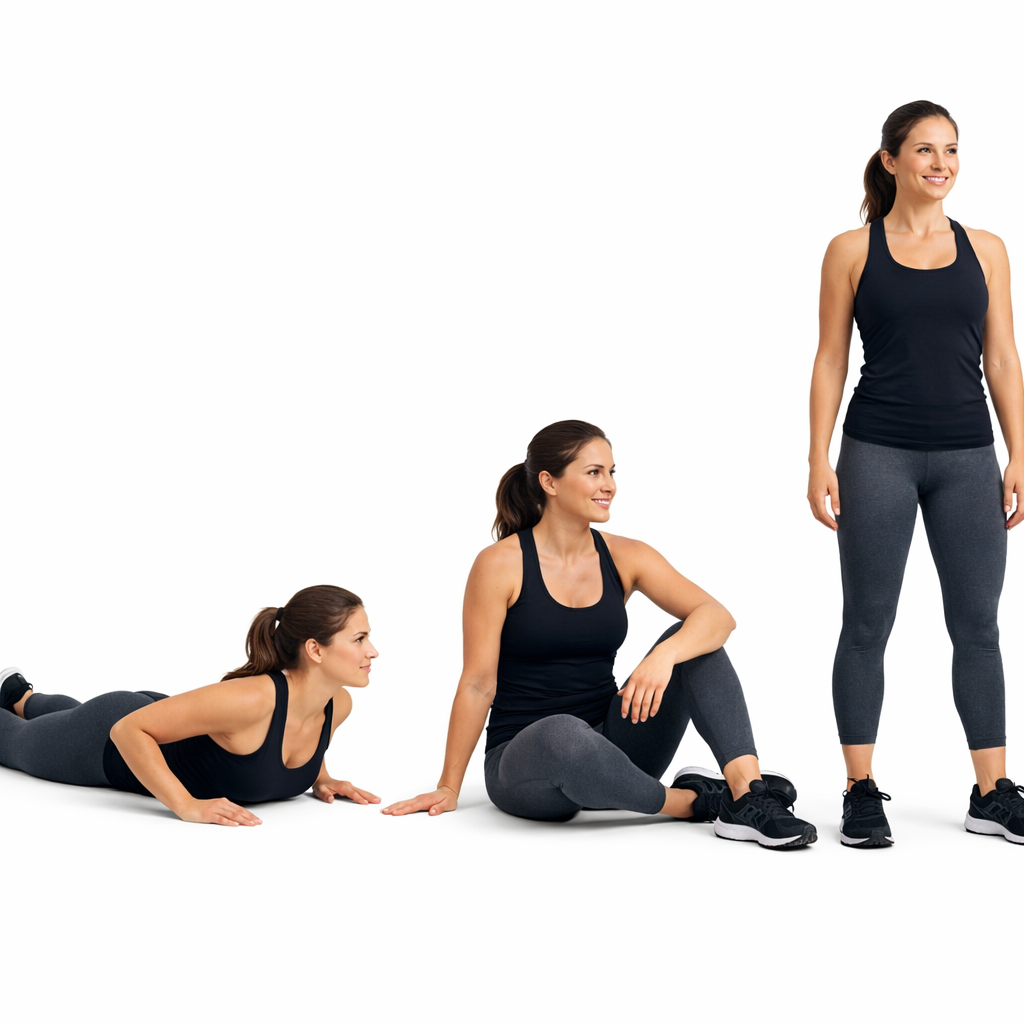
Balancing Somatic Awareness & Cognitive Intellectualization while observing 3 Posture Transitions through the felt senses

Woman in black tank top and gray leggings moving from lying on stomach to seated to standing position
A woman demonstrates a sequence of recovery poses from lying down to standing up during a workout.

1. Standing

2. Sitting

3. Prone

Here are some reflections of this Feldenkrais Practitioner prior to a Breath Workshop held in April, ’26 to center and ground prior to leading a group through a specific guided patterns of movement. .

The focus of attention in the verbal guided patterns to go beyond the busy mind of thinking into an expanded awareness of the somatic experience

The process of observing the guided pattern suggestions is another focus of attention for balancing the somatic experience with cognitive conceptual function. This focus in this pattern leads with somatic experiences to redirect cognitive functional focus of attention. In the process of this focused pattern, the mind can enter a state not unlike a mindfulness meditation. In this mindfulness like state the cognition can expand beyond beliefs, opinions, evaluative thinking and social conditioning into a field that cultivates deeper awareness.

The guided micromovements focus on the body’s structural design for potential movement beginning with the core – the skeleton.

Why? The natural design of the bodies ability to transition through postural shifts is through the bone pressure using the force of gravity. Original movement transitions are not through muscle and soft tissue lifting the bone and bearing the weight of the bone matter. That only creates constraints, pain and limited function. Organizing the skeletal bones to transition through flexibility and expanded range of motion increases ease and effortlessness in functionality.

Micromovements through the perspective of skeletal function is its own separate type of workout from what is currently focused on, and this focus can be far more challenging than the current mainstream focus is aware of

Imagine repeating changing patterns of micromovements toning the muscles through available functional transitions that release the few muscles that have become the primary motivation for controlling movement. New muscle patterns are created as habitual holding is released through the tonification and dormant muscles are activated, while the organization in the brains is expanding through conscious awareness.

These guided patterns go beyond the conceptualization of cognitive intellectualization that has locked movement into patterns that eventually create diminishing capacity through its limited understanding. Beliefs, opinions and evaluative expressions lock down the brains functional capacity. This is expressed through a lack of flexibility in all qualities of function; mentally, emotionally and physically.

This suggests that these guided patterns for integrating movement through a focus that taps into conscious awareness that balances both the somatic experience and cognitive function can give all aspects of functional experiences a workout from perceptions, mobility to brain function. Ihe focus is completely on expansion and identifying limitation whether it is through thinking, emotional and physical patterns.

This fantastic connection in this process is that it is through organic functional movement, the brains focus of attention and mindfulness. Imagine a fitness workout that is actually a pattern for learning and going beyond what we know into a expanded reality that reduces fear, pain, effort and suffering into ease, flexibility, groundedness and agility.

Learning focus here is through the bones and not socially conditioned thinking patterns that come through titles, names, labels, trends and images of right and wrong beliefs. Current examples are the bastardization of the cultural practices of yoga and tai chi where cognitively designed exercises have been turned into chair yoga and chair tai chi. These are exercises packaged as a concept and they lack the somatic awareness component of the source philosophy. It’s the development of a marketing strategy for creating an image that taps into the focus of attention of society’s ego concepts of self image. Are they beneficial for becoming active. Yes, however they are examples of misleading advertising that is associated with the mindfulness and expanded consciousness of the traditional philosophies.


The above is an evolution of deeper understanding of social conditioning and the lack of balance between somatic experiencing and cognitive conceptualization that is developing from the focus of attention and observations of the practitioner of functional integration.

It is an example of reflection for tapping into and grounding thought patterns for organizing a focus on balancing the mind to guide patterns that will open students consciousness and not reflect boxed in cognitive concepts. Pausing to organize thoughts to set them aside to guide others into mindfulness is an important part of this practitioners process. I hope you enjoy the content.


Body Mindfulness – Core Body Functional Breathingย Audio

New Release


Connect for Lifestyle Coaching and Learning Needs

Follow Socials:

Copyright 2014 โ€“ 2026 Renee Lindstrom, GCFP

Feldenkraisยฎ, Feldenkrais Methodยฎ, Awareness Through Movementยฎ, and Functional Integrationยฎ, are registered service marks of the Feldenkrais Guildยฎ of North America

A self care life hack that has merit by shifting the dimensions between pain, struggle & effort to softening, ease & effortlessness

Peace and Harmony

In the last post called; Lifestyle Hacks โ€“ Reverse pain, stiffness and aging in fingers, hands, wrists & lower arms naturally the focus is on a physical shift in the felt sensations through a pattern of self-care. In the same self-care pattern there is an emotional release that is available. The tough connective tissue like the skin, facia, flesh, muscles, ligaments, etc., all create a felt sensation that stimulates tension, anxiety stress, impatience, irritation, and angry feelings. The softening and release of inflammation in the same connective tissue creates a different range of emotions through the felt sense shift. The softening can create an enjoyable range of emotions like an increase in tolerance, joy, playfulness, peace and harmony. The self-care that was suggested in this post focused on one’s hands. Our hands have a huge map in our brains due to their constant use. Each time we move our fingers, hands, wrists lower arms and elbows it deepens the groove in the neural pathways in the brain. The lack of micro-movements in the same functional areas will reduce the grooves in the neuro pathwaysย and eventually they will be lost. This is when the saying, if you don’t use it, you’ll lose it, applies.

The Feldenkrais perspective has focused on patterns to introduce these lost movement patterns and reintegrate them. This self-care would increase the felt senses in an Awareness through Movement Lessons. This means one could feel a difference in the movements of the joints and bones differently. The muscles around the joints and flesh would be softer increasing the range of motion.

From my perspective of a Nonviolent Communication Educated Communication Specialist please note I do not have the perspective that we carry stories in our physical function. Rather the short and long-term memories are stored in the prefrontal cortex in the hippocampus area. However, the tension or held patterns in the functional physical body can stimulate the stored memories. A Western trend currently is to fixate on memories as a way to resolve issues and shift movement patterns. Unfortunately, the story memories are a function in the brain that has an alignment with another function which is physical movement. Physical functional movement can be stimulated by memories, and memories can be stimulated by movement. Stories cannot be held in the arm, the belly, etc. They however can stimulate emotional responses that would influence these areas. I have come to call these environmental influences.

An example I would like to share it with a student who had worked with a therapist to resolve physical pain through processing emotional trauma by having the body part held while releasing the story. This was called somatic therapy. The person had been doing this work for a few years when I began to work with the actual physical function from a somatic perspective in movement transitions. The person’s habit was to defer to the stories as trained by the therapist so I suggested we focus attention on the felt senses in the movement. In two visits the arm was functioning normally pain-free. No stories, only micro-movements with an increase in rotation and getting other joints and bones to participate in theย movement. The student had been off work for a few years due to this injury and soon they were back at work.

From both a Feldenkrais perspective and a communication perspective I work with what is in the present moment. This is a focus of attention on the felt senses now, not in the past and not in the future. If I can bring a mindfulness focus like this into the lesson the student begins to train their minds in the same way as in mindfulness meditation. The difference is it is in movement, focus and sensing, not sitting in meditation. It’s more of a mindfulness function where the physical, mental and emotional are aligned to experience the present.

Disclaimer – words, phrases and sentences have similar use however, they can have different definitions depending upon the context. The English language is limited and such that it is left up to interpretation. Each person has different resources for forming memories to shape opinions, beliefs and interpretations from.

About Renee Lindstrom ‘s intention for living in the garden of life

I, like many, wasn’t borne into a thriving, balanced and attuned family landscape.ย  The illusive patterns that sowed the illusive culture of my lifestyle weren’t heart-centered.ย  Instead they were based upon fear, anger, unhappiness, discontent and jealousy.
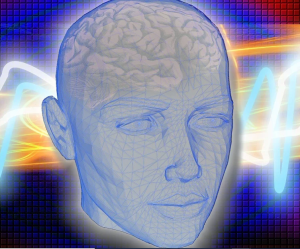
Thinking

This led to years of seeking out meaning, understanding, and a life purpose that didn’t include the harming elements of my earlier family life.ย  This also led to supporting others along the way.

Through this exploration I haveย  made the connection to one’sย  thinking and their results.ย  I have observed how the ways of ‘thinking’ create one life’s garden.

We are prisoners to our thinking

To put it another way,ย  I have seen and experienced examples of how we think becomes what we experience andย  create in our lifestyle.ย  A lifestyle that can be calm and wonderful, or chaotic.ย  Thinking seems to be responsible for how we actively respond mentally, emotionally, physically and spiritually.ย  Being unconscious to it makes us prisoners to it.

I have also discovered the process of thinking is separate from mental functions.ย  How do I know this?ย  As a babe we aren’t born with a pattern of thinking, yet as a babe we had the mental ability to integrate cultured patterns of thinking.
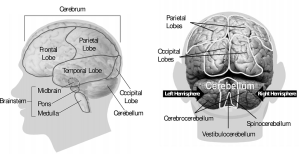
Usually ones focus isn’t on the brain’s functional abilities and its relationship to how experiences are processed.

I have witnessed and heard stories ofย  life timesย  lived through reactive behaviours originating from thoughts.ย  Thoughts based upon one’s thinking process that are not real or the truth of what is happening in the moment.ย  One example of a case study in years past is the reaction of running from situations,ย  literally by driving across the continent!ย  As the reaction would begin to calm I would be contacted only to discover the flight was from an initial triggering thought that wasn’t connected to any real actions of checking in to the source of it.ย  The flight was an expensive reactive behaviour mentally, emotionally, physically, financially and spiritually.

Exploring this life path I have discovered that even though I was born long after the honeymoon was over in my families experience, I thrive in beauty and the attributes of loving kindness, and have a high propensity for empathy.ย  My family and I simply weren’t a match.ย  In retrospect, the pain and suffering became the incentive to find ways to align with my true nature.ย  Along the way I have found clarity and understanding, and come away with some ways to live in the beauty that the garden of life can be.

A system of understanding to have clarity & for understanding

that is balancing

Sharing these ways with others while continuing my own practices has become an open system of learning.ย  This system goes out beyond the closed thinking patterns of making evaluations and moral judgments, and beliefs ofย  right and wrong thinking.ย  Each of the methods I integrated had their challenges in the learning stages due to the depth of ego that is experienced in our culture.ย  Ego is imbedded into behaviour yet it’s another elusive quality that people experience without being consciously aware of it and unable to identify and name it.

To borrow an evaluative experience from Buddhism, each method I dug deeply into is founded upon the concept of becoming enlightened.ย  However the challenges ofย  the teachers and participants wanting to be seen, heard and valued caused hurdles to overcome and created events of pain and suffering for all immersed in the educative experiences.ย  ย  Taking the time to integrate these methods as a foundation for living myself has taken time and evolved over the years.ย  The system I am interested in contributing follows the Buddhist concept of eliminating incorrect use of ego.ย  We all have ego, however, I focus upon ego usage that pays attention to power with, not more over/under.ย  Why?ย  I want to live in the beauty that inspires and motivates.ย  The heightened stimulus I hope to experience comes from passion.ย  Passion for life, living and creating.

Mentoring others to switch on their innate ability to learnย 

Somes ways of contributing to others as they commit to engaging in life to align more with their true nature are with individual programs or mentoringย  integratable life components.ย  ย Life area programs and components focus in these areas of one’s experiences:

  • surroundings
  • inner sense of oneself (confidence, self-esteem, empowerment)
  • life purpose
  • cultivating awareness to identify and name intention
  • functional movement that cultivates awareness that holds the connection to the interplay of body movement, reactive behaviour, thinking and emotions
  • functioning relationships that cultivates awareness the holds the connection to the interplay of what’s real in the moment, what one thinks, and how one responds
  • value-based programs to support inner discernment to transformย  moral judgments into value based judgments

Finding your intention and creating a target for meeting the goals of who you long to be with these programsย 

The learning modules here at Inside Awareness can be specific to life areas whether you are:

  • looking for your life purpose
  • seeking to improve your relationships to all life
  • wanting to enhance your physical abilities
  • introduce a sense of sacredness in your environment

Each module are concrete actions steps that bring one into the shift they long for.

Each module has a foundation in practical steps and have applications that are logical yet bring focus to the elusive.

Renee focuses upon switching back on oneโ€™s inherent ability to learn where the experience becomes the teacher and the student becomes the sage.

The intention is to increases creativity and expressiveness in living.by Renee Lindstrom

Awareness Through Livingย Mentoring Programs Available:

ย 1st Level โ€“ Getting Started (Introduction & Pattern)
ย 2nd Level โ€“ Getting Intouch (Experiencing & Connection)
ย 3rd Level โ€“ Integration (Embodiment)


Follow the journey onย Twitter,ย Instagramย orย Facebook

by Renee Lindstrom, GCFP @ Inside Awareness,ย ย Living in Natures Love Blog
&ย Renee Lindstrom Live
Copyright 2014 โ€“ 2020 Renee Lindstrom, GCFP