Category Archives: Cultivating Awareness

Awareness of walking

These two videos visually support learning points that I support my students to integrate through movement using guided micromovements in a particular way of exploration. I encourage my students now to watch both of these videos to imprint the visual stimulus for growing envisioning techniques with a focus on transitions of the body’s moving parts.

Why is this important?

Watch this video again, however this time, raise your gaze up towards the hip joints at the top outside of the legs. Notice the weight being dispersed equally side to side with no effort. The movement appears to be dance like in the flow of easy counterbalance motions.

If you continue to observe the video again you may begin to view how lite the legs are with each step. With each separate step the legs response in a similar way as the feet. Using the ability to shift weight this way with through the bone the also shifts forward and back, and side to side. This is why bones have rounded ends into rounded joints.

Remember that the individual leg bones shift weight differently, in any given moment, as a response to the pressure in the foot. For example, the standing leg that bears ones weight is locked at the ankle, knee and hip when the other leg bends at the ankle, knee and hip.

Mentoring micromovement patterns in community learning groups I have observed that one of the biggest culprits to mobility is the loss of this natural counterbalance. In an earlier post I write about the hidden influences in our environment that are silent systems of learning interrupting these natural movements. I believe it started with sitting for long periods of time having a locked focus of attention in one area of function only. I have discovered the outcome to sitting for long periods creates a gap in one’s brain of the natural movement patterns through the bones of ones pelvis, hips, upper and lower legs, knees, angles and feet.

You will see the differences in how these people walk in this second video. In this video they are mostly picking up their feet and not using the ground to push off like the person in the first video.

Begin watching this video with a focus on noticing how both people lift their feet up and hold them in a straight blank like way. This takes an extreme amount of muscle effort which becomes more difficult to continue as one ages.

On second viewing begin to notice their hips. Both people do not have any sway that demonstrates counterbalance through their legs, hips and pelvis. Both of them have one side where the hip seems to bounce hard in the socket of a locked pelvis.  Almost as though wearing an artificial leg. As a Feldenkrais® practitioner I observe a stumble like action.

Watch one more time and lift your  gaze upward to observe turned heads. Each person is looking at the other in a state of intent focus on mental processing. There is no evident counter balance through the upper body. What I see is a locked torso that begins at the base of their neck. It is a much different pattern of walking than in the first video.  

I would describe the first video as effortless and the second one as having tremendous effort.

In the first video the pattern of movement reflects what each toddler has learned in order to roll over, sit up, stand, walk and run. In the second video the pattern of movement reflects what happens through the silent learning patterns in institutional learning systems – sitting in a chair to focus on tasks and memorization. Both these learning systems reflect right and left brain activities. They are both relevant to a healthy and productive life, however there is no balance of both systems. The silent organic and inherent one each of us was born with was replaced by the non-organic one created by our ancestors.

Models of learning are around us starting at birth and continuing into old age.  One never stops learning from the influences surrounding us.  These boards are an example of a learning model that imprints rotations patterns of  movement for those who are having chunky movements and balance issues.   Using these boards at set times throughout the day can enhance integration of the movement pattern, especially if one cultivates awareness of  different shifts in weight.  This pattern of micromoving can reduce inflammation and pain, and increase circulation.  

Signs of low Calcium

Effects of deficient calcium

  • Weight Gain
  • Weak bones
  • Lack of sound sleep
  • Confusion
  • Memory loss
  • Depression
  • Fluctuating Blood pressure
  • Heart failure
  • Numbness
  • Tingling in hands arms, feet legs and mouth
  • Muscle tremors
  • Muscle cramps
  • Pain in arms, underarms and thighs
  • Painful when walking

FYI:  Increasing Calcium can increase weight loss

Back to Are you Eating for Spinal Cord & Nerve Health
Back to Vertebrae & the Spine 
Back to Spinal Cord & the Nerves

Learn why combining Feldenkrais with eating plan can improve spine function


The only way to change is action


by Renee Lindstrom

Effective Movement Posture Mentoring Programs Available:

 1st Level – Getting Started (Introduction & Pattern)
 2nd Level – Getting Intouch (Experiencing & Connection)
 3rd Level – Integration (Embodiment)

Follow the journey on TwitterInstagram or Facebook

by Renee Lindstrom, GCFP @ Inside Awareness,  Living in Natures Love Blog
Renee Lindstrom Live
Copyright 2014 – 2021 Renee Lindstrom, GCFP

Signs of low Omega 3 oils

Effects of Deficient Omega 3 Oils:

  • Fatigue
  • Lack of Sleep
  • Reduced concentration
  • Poor brain function
  • Moodiness
  • Joint pain – Arthritis
  • Leg cramps
  • Allergies
  • Heart and Blood problems
  • Macular Degeneration
  • Dry Eyes
  • Dry skin
  • Weight Gain

FYI:  Omega 3 can normalize the brain’s neural activity

Back to Are you Eating for Spinal Cord & Nerve Health
Back to Vertebrae & the Spine 
Back to Spinal Cord & the Nerves

Learn why combining Feldenkrais with eating plan can improve spine function


The only way to change is action


by Renee Lindstrom

Effective Movement Posture Mentoring Programs Available:

 1st Level – Getting Started (Introduction & Pattern)
 2nd Level – Getting Intouch (Experiencing & Connection)
 3rd Level – Integration (Embodiment)

Follow the journey on TwitterInstagram or Facebook

by Renee Lindstrom, GCFP @ Inside Awareness,  Living in Natures Love Blog
Renee Lindstrom Live
Copyright 2014 – 2021 Renee Lindstrom, GCFP

Signs of Low B12

The signs of B12 deficiency are:

  • Loss of balance
  • Weakness
  • Tiredness
  • Lightheadedness
  • Heart palpitations
  • Shortness of breath
  • Pale skin
  • A smooth tongue
  • Constipation
  • Gas
  • Diarrhea
  • No appetite
  • Nerve numbness
  • Nerve tingling
  • Weak Muscles
  • Vision loss
  • Depression
  • Memory loss
Back to Are you Eating for Spinal Cord & Nerve Health
Back to Vertebrae & the Spine 
Back to Spinal Cord & the Nerves

Learn why combining Feldenkrais with eating plan can improve spine function


The only way to change is action


by Renee Lindstrom

Effective Movement Posture Mentoring Programs Available:

 1st Level – Getting Started (Introduction & Pattern)
 2nd Level – Getting Intouch (Experiencing & Connection)
 3rd Level – Integration (Embodiment)

Follow the journey on TwitterInstagram or Facebook

by Renee Lindstrom, GCFP @ Inside Awareness,  Living in Natures Love Blog
Renee Lindstrom Live
Copyright 2014 – 2021 Renee Lindstrom, GCFP

Signs of low Magnesium

Magnesium is a nutrient for over 300 reactions in the body and it plays a role in a healthy immune system, cognitive function, bone strength, muscle relaxation and energy production.

Experiences of low magnesium 

  • numbness
  • tingling & tremors
  • muscle cramps & spasms
  • seizures
  • muscle spasticity
  • personality changes, nervousness
  • abnormal heart rhythms
  • dizziness & headaches
  • weakens bones

FYI:  can be an influence to low levels of calcium & potassium


Back to:  Are you eating for Spinal & Nerve Health
Back to Vertebrae & the Spine 
Back to Spinal Cord & the Nerves

Learn why combining Feldenkrais with eating plan can improve spine function


The only way to change is action


by Renee Lindstrom

Effective Movement Posture Mentoring Programs Available:

 1st Level – Getting Started (Introduction & Pattern)
 2nd Level – Getting Intouch (Experiencing & Connection)
 3rd Level – Integration (Embodiment)

Follow the journey on TwitterInstagram or Facebook

by Renee Lindstrom, GCFP @ Inside Awareness,  Living in Natures Love Blog
Renee Lindstrom Live
Copyright 2014 – 2021 Renee Lindstrom, GCFP

Signs of low B9 (folate)

Folate deficiency is a result of overcooked food and an eating plan without enough fresh fruits, vegetables.

B9 (Folate) cannot be stored in the body meaning it must be ingested regularly.

The symptoms of folate deficiency are often subtle. They include:

  • fatigue
  • gray hair
  • megaloblastic anemia (read more below)
  • mouth sores
  • tongue swelling
  • growth problems

The symptoms of anemia that occur due to folate deficiency include:

  • persistent fatigue
  • weakness
  • lethargy
  • pale skin
  • red blood cells are larger than normal
  • shortness of breath
  • irritability

FYI:  A drop in folate  can happen quickly without enough folate-rich foods

Back to Are you Eating for Spinal Cord & Nerve Health
Back to Vertebrae & the Spine 
Back to Spinal Cord & the Nerves

Learn why combining Feldenkrais with eating plan can improve spine function


The only way to change is action


by Renee Lindstrom

Effective Movement Posture Mentoring Programs Available:

 1st Level – Getting Started (Introduction & Pattern)
 2nd Level – Getting Intouch (Experiencing & Connection)
 3rd Level – Integration (Embodiment)

Follow the journey on TwitterInstagram or Facebook

by Renee Lindstrom, GCFP @ Inside Awareness,  Living in Natures Love Blog
Renee Lindstrom Live
Copyright 2014 – 2021 Renee Lindstrom, GCFP

Are you eating for Spinal Cord & Nerve Health

eating for Spinal Cord & Nerve Functions

6 Categories of Nutrition for importing functional experiences  

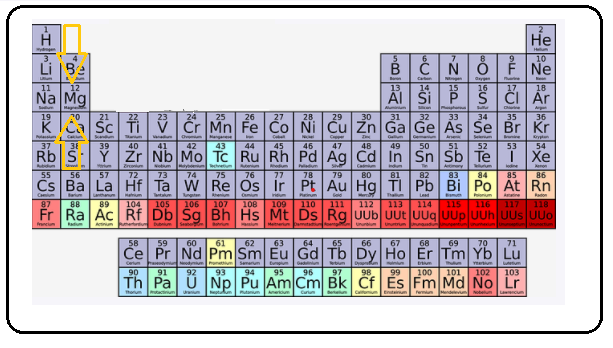
1.  Magnesium

 Magnesium regulates nerve and muscle function

Recommended daily:  Women 310-320 mg,  Men 400-420 mg

Natural Sources:

  • Fermented Foods:
    • sauerkraut
  • Fruit:
    • bananas
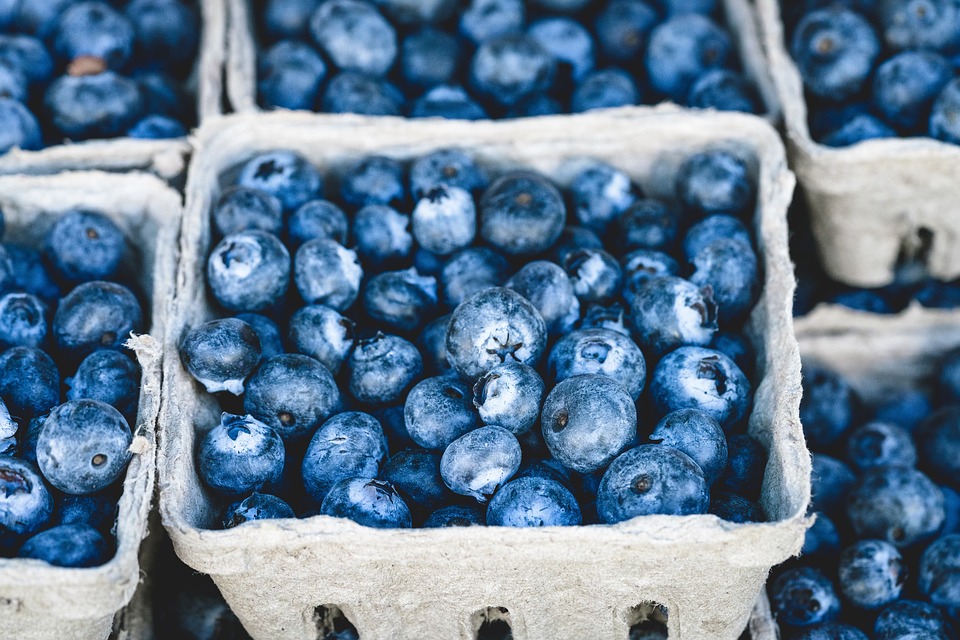
    • blueberries
    • grapefruit
    • lemon & limes
    • orange
    • raspberries
  • Kefir
  • Ginger
  • Leafy greens:
    • spinach
    • kale
    • collard greens
  • Legumes:
    • peanuts
  • Nuts & seeds:
    • almonds
    • cashews
    • flax
    • pumpkin
  • Cinnamon
  • Turmeric
  • Veggies:
    • avocado
    • Brussel sprouts
    • pumpkin
  • Whole grains

FYI:  Including more magnesium in your diet can help promote muscle relaxation and better-quality sleep.

Effects of low Magnesium?

Back to Vertebrae & the Spine 
Back to Spinal Cord & the Nerves

2.  B9 (Folate) essential for spinal cord Development

Makes red and white blood cells in the bone marrow, convert carbohydrates into energy, and produce DNA and RNA

Recommended daily:  400 mcg

Natural Sources:

  • Leafy greens:
    • kale
    • collard greens
    • lettuce:
      • romaine
    • mustard greens
    • spinach
    • turnip greens
  • Cinnamon
  • Dairy:
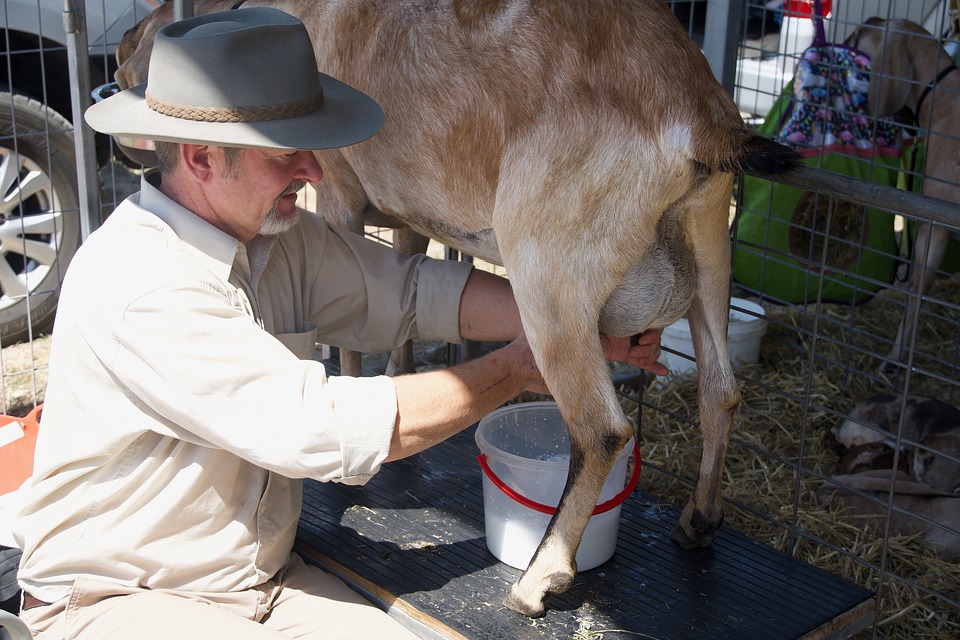
    • milk
  • Eggs
  • Fermented Foods:
    • sauerkraut
  • Fruits:
    • bananas
    • blueberries
    • grapefruit
    • lemon & limes
    • oranges
    • pineapple
    • raspberries
    • strawberries
    • watermelon
  • Legumes
    • beans:
      • lima
    • peanuts
  • Mushrooms:
    • Shitake mushroom
  • Nuts & Seeds:
    • sunflower seeds
  • Meat, Poultry, Seafood
    • clams
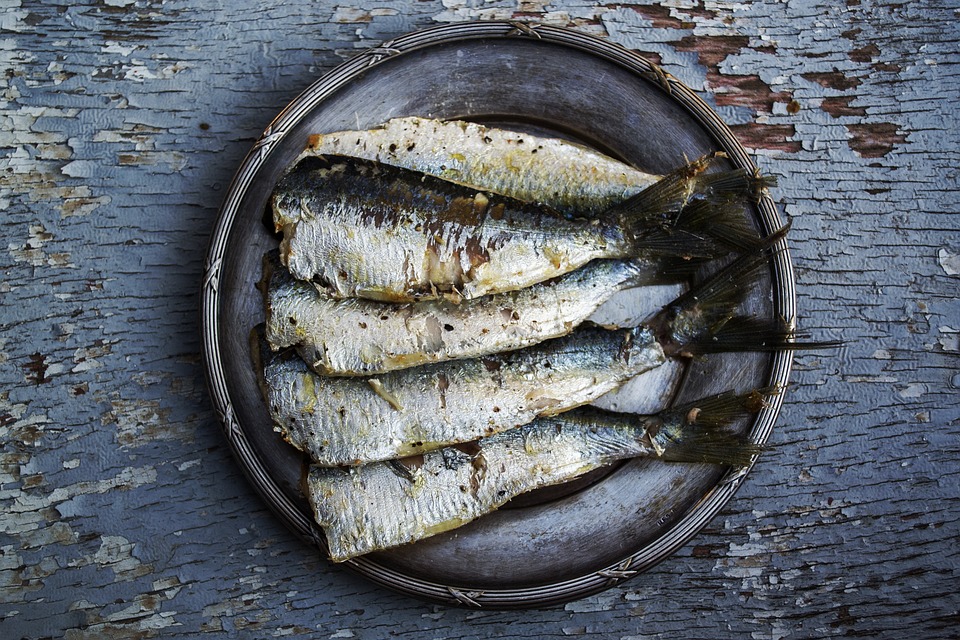
    • sardines
    • trout
    • tuna
  • Potato:
    • sweet potato
  • Seaweed:
    • Nori
  •  Veggies:
    • asparagus
    • avocado
    • broccoli
    • Brussels sprouts
    • celery
    • cucumber
    • pumpkin
  • Whole grain

FYI:  cannot be produced by the body, must be supplied

Effects of Low  B9 (Folate)?

Back to Vertebrae & the Spine 
Back to Spinal Cord & the Nerves

3.  B12 produces myelin, the fatty substance that protects nerve cells

Recommended daily:  Adults  2.4 mcg

Natural Sources:

  • Dairy:
    • cheese
    • feta 
    • Kefir
    • milk
    • yogurt
  • Eggs:
    • yokes
  • Fermented Foods
    • black garlic
  • Mushrooms:
    • Lion’s mane
    • Shitake mushroom
  • Nuts
  • Meat, Poultry, Seafood
    • clams
    • crab
    • mackerel
    • mussels
    • oysters
    • sardines
    • trout
    • tuna
    • organ meats: 
      • liver
      • kidney
  • Seaweed:
    • algae
    • nori
  • Yeast:
    • nutritional

FYI:  Rainwater contains B12

& B12 cannot be produced by the body, must be supplied

Lack of B12 Effects?

Back to Vertebrae & the Spine 
Back to Spinal Cord & the Nerves

4.  Resveratrol reduces oxidative stress and protects the spinal cord

Natural Sources:

  • Cocoa
  •  Chocolate:
    • dark
  •  Fruit:
    • blueberries
    • cranberries
    • grapes
  • Legumes:
    • peanuts
  • Nuts:
    • pistachios
  • Wine:
    • Red
Back to Vertebrae & the Spine 
Back to Spinal Cord & the Nerves

5.  Omega-3 fatty acids protect nerves

Recommended daily:  Adults 250–500 mg

Natural Sources:

  • Fermented Foods:
    • sauerkraut
  • Fruits
    • bananas
    • blueberries
    • grapefruit
    • lemon & limes
    • oranges
    • raspberries
  • Ginger
  • Nuts
    • chia seeds
    • flax seeds
      • flaxseed oil
    • walnuts
      • walnut oil
  • Seafood: 
    • anchovy
    • halibut
    • herring
    • mackerel
    • salmon – wild
    • tuna
  • Turmeric
  • Veggies:
    • avocado
    • Brussel Sprouts
    • pumpkin

FYI:  essential fat required for function

Lack of Omega 3 Effects?

Back to Vertebrae & the Spine 
Back to Spinal Cord & the Nerves

6.  Calcium sends signals between cells in the nervous system and regulates muscle contractions

Mineral necessary for life

Recommended daily:  Adults 2500 mg

Natural Sources:

  • Cinnamon
  • Dairy:
    •  Cheese:
      • Blue
      • Brick
      • Cheddar
      • Edam
      • Gouda
      • Gruyere
      • Parmesan
      • Swiss
    • Cottage Cheese
    • Ice Cream
    • Kefir
    • Milk
    • Yogurt
  • Fermented Foods:
    • Sauerkraut
  • Fruit:
    • blueberries
    • bananas
    • figs
    • grapefruit
    • kiwi
    • lemon & limes
    • oranges
    • raspberries
  • Ginger
  • Legumes:
    • beans
    • chickpeas
    • edamame
  • Nuts:
    • almonds
    • Brazil nuts
  • Molasses:
    • blackstrap
  • Seafood:
    • salmon
    • sardines
  • Seaweed:
    • agar
  • Soy:
    • tofu
  • Turmeric
  • Veggies:
    • artichoke
    • beet Greens
    • bok Choy
    • broccoli
    • collard Greens
    • dandelion Greens
    • kale
    • okra
    • olives
    • snap Peas
    • Snow Peas
    • squash
    • turnip 

FYI:  Lack of calcium in the diet can cause spasms and cramping

Lack of Calcium Effects?

Back to Vertebrae & the Spine 
Back to Spinal Cord & the Nerves

Effective Movement Posture Mentoring Programs Available:

 1st Level – Getting Started (Introduction & Pattern)
 2nd Level – Getting Intouch (Experiencing & Connection)
 3rd Level – Integration (Embodiment)

Follow the journey on TwitterInstagram or Facebook

by Renee Lindstrom, GCFP @ Inside Awareness,  Living in Natures Love Blog
Renee Lindstrom Live
Copyright 2014 – 2021 Renee Lindstrom, GCFP
Feldenkrais®, Feldenkrais Method®, Awareness Through Movement®, Functional Integration®, are registered service marks of the Feldenkrais Guild® of North America. Feldenkrais Method®