
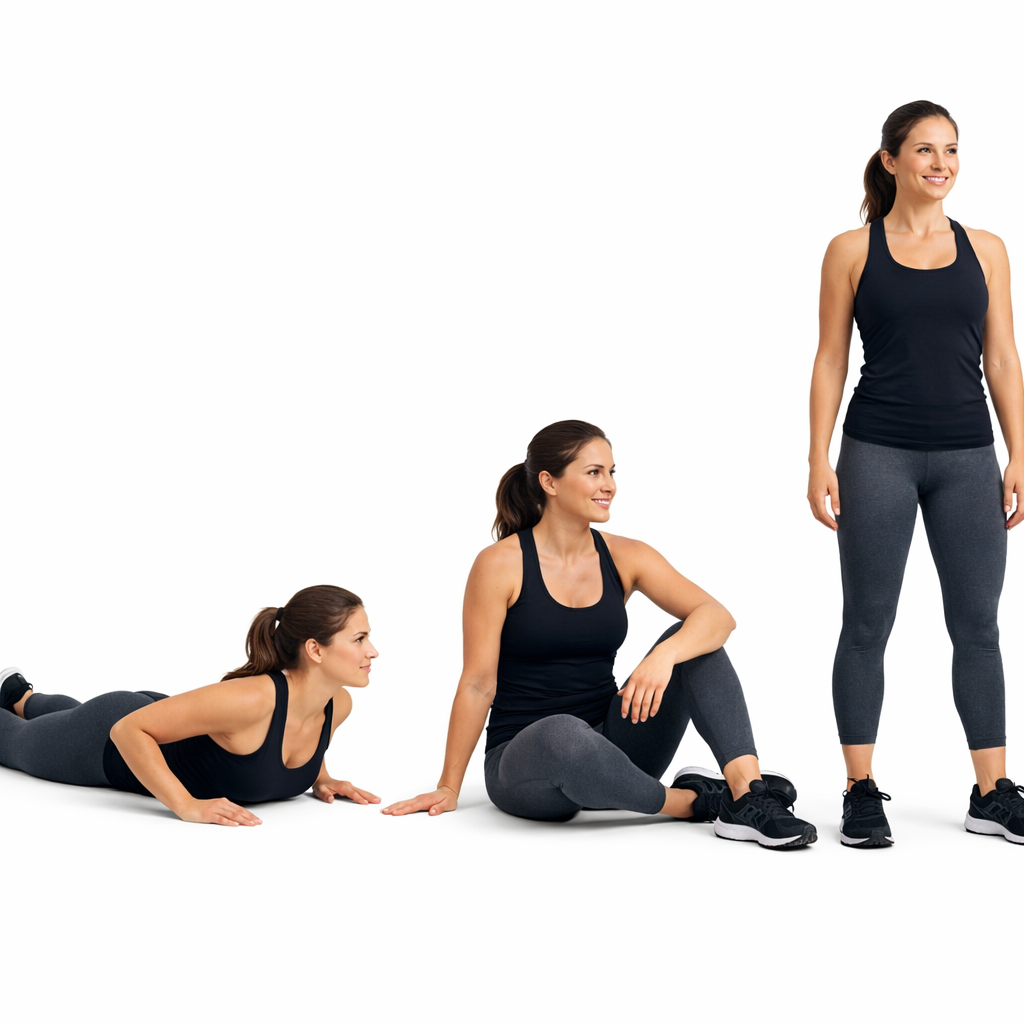
1. Standing
2. Sitting
3. Prone
Here are some reflections of this Feldenkrais Practitioner prior to a Breath Workshop held in April, ’26 to center and ground prior to leading a group through a specific guided patterns of movement. .
The focus of attention in the verbal guided patterns to go beyond the busy mind of thinking into an expanded awareness of the somatic experience
The process of observing the guided pattern suggestions is another focus of attention for balancing the somatic experience with cognitive conceptual function. This focus in this pattern leads with somatic experiences to redirect cognitive functional focus of attention. In the process of this focused pattern, the mind can enter a state not unlike a mindfulness meditation. In this mindfulness like state the cognition can expand beyond beliefs, opinions, evaluative thinking and social conditioning into a field that cultivates deeper awareness.
The guided micromovements focus on the body’s structural design for potential movement beginning with the core – the skeleton.
Why? The natural design of the bodies ability to transition through postural shifts is through the bone pressure using the force of gravity. Original movement transitions are not through muscle and soft tissue lifting the bone and bearing the weight of the bone matter. That only creates constraints, pain and limited function. Organizing the skeletal bones to transition through flexibility and expanded range of motion increases ease and effortlessness in functionality.
Micromovements through the perspective of skeletal function is its own separate type of workout from what is currently focused on, and this focus can be far more challenging than the current mainstream focus is aware of
Imagine repeating changing patterns of micromovements toning the muscles through available functional transitions that release the few muscles that have become the primary motivation for controlling movement. New muscle patterns are created as habitual holding is released through the tonification and dormant muscles are activated, while the organization in the brains is expanding through conscious awareness.
These guided patterns go beyond the conceptualization of cognitive intellectualization that has locked movement into patterns that eventually create diminishing capacity through its limited understanding. Beliefs, opinions and evaluative expressions lock down the brains functional capacity. This is expressed through a lack of flexibility in all qualities of function; mentally, emotionally and physically.
This suggests that these guided patterns for integrating movement through a focus that taps into conscious awareness that balances both the somatic experience and cognitive function can give all aspects of functional experiences a workout from perceptions, mobility to brain function. Ihe focus is completely on expansion and identifying limitation whether it is through thinking, emotional and physical patterns.
This fantastic connection in this process is that it is through organic functional movement, the brains focus of attention and mindfulness. Imagine a fitness workout that is actually a pattern for learning and going beyond what we know into a expanded reality that reduces fear, pain, effort and suffering into ease, flexibility, groundedness and agility.
Learning focus here is through the bones and not socially conditioned thinking patterns that come through titles, names, labels, trends and images of right and wrong beliefs. Current examples are the bastardization of the cultural practices of yoga and tai chi where cognitively designed exercises have been turned into chair yoga and chair tai chi. These are exercises packaged as a concept and they lack the somatic awareness component of the source philosophy. It’s the development of a marketing strategy for creating an image that taps into the focus of attention of society’s ego concepts of self image. Are they beneficial for becoming active. Yes, however they are examples of misleading advertising that is associated with the mindfulness and expanded consciousness of the traditional philosophies.
The above is an evolution of deeper understanding of social conditioning and the lack of balance between somatic experiencing and cognitive conceptualization that is developing from the focus of attention and observations of the practitioner of functional integration.
It is an example of reflection for tapping into and grounding thought patterns for organizing a focus on balancing the mind to guide patterns that will open students consciousness and not reflect boxed in cognitive concepts. Pausing to organize thoughts to set them aside to guide others into mindfulness is an important part of this practitioners process. I hope you enjoy the content.
Body Mindfulness – Core Body Functional Breathing Audio
New Release
Connect for Lifestyle Coaching and Learning Needs
Follow Socials:
Copyright 2014 – 2026 Renee Lindstrom, GCFP
Feldenkrais®, Feldenkrais Method®, Awareness Through Movement®, and Functional Integration®, are registered service marks of the Feldenkrais Guild® of North America
Discover more from Inside Awareness Center for Integrative Somatic Learning
Subscribe to get the latest posts sent to your email.



 Inside Awareness Center for Integrative Somatic Learning