
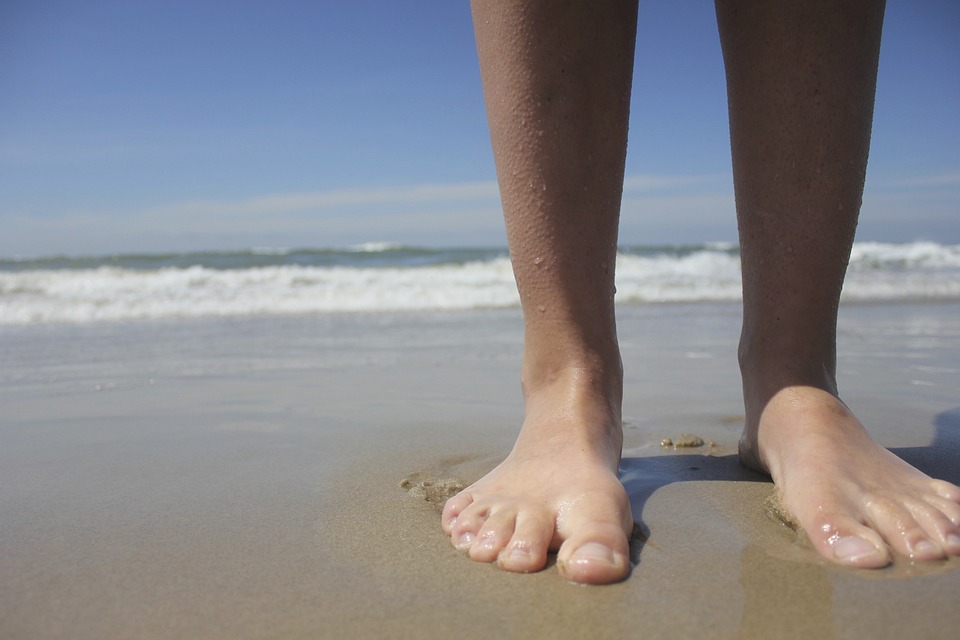
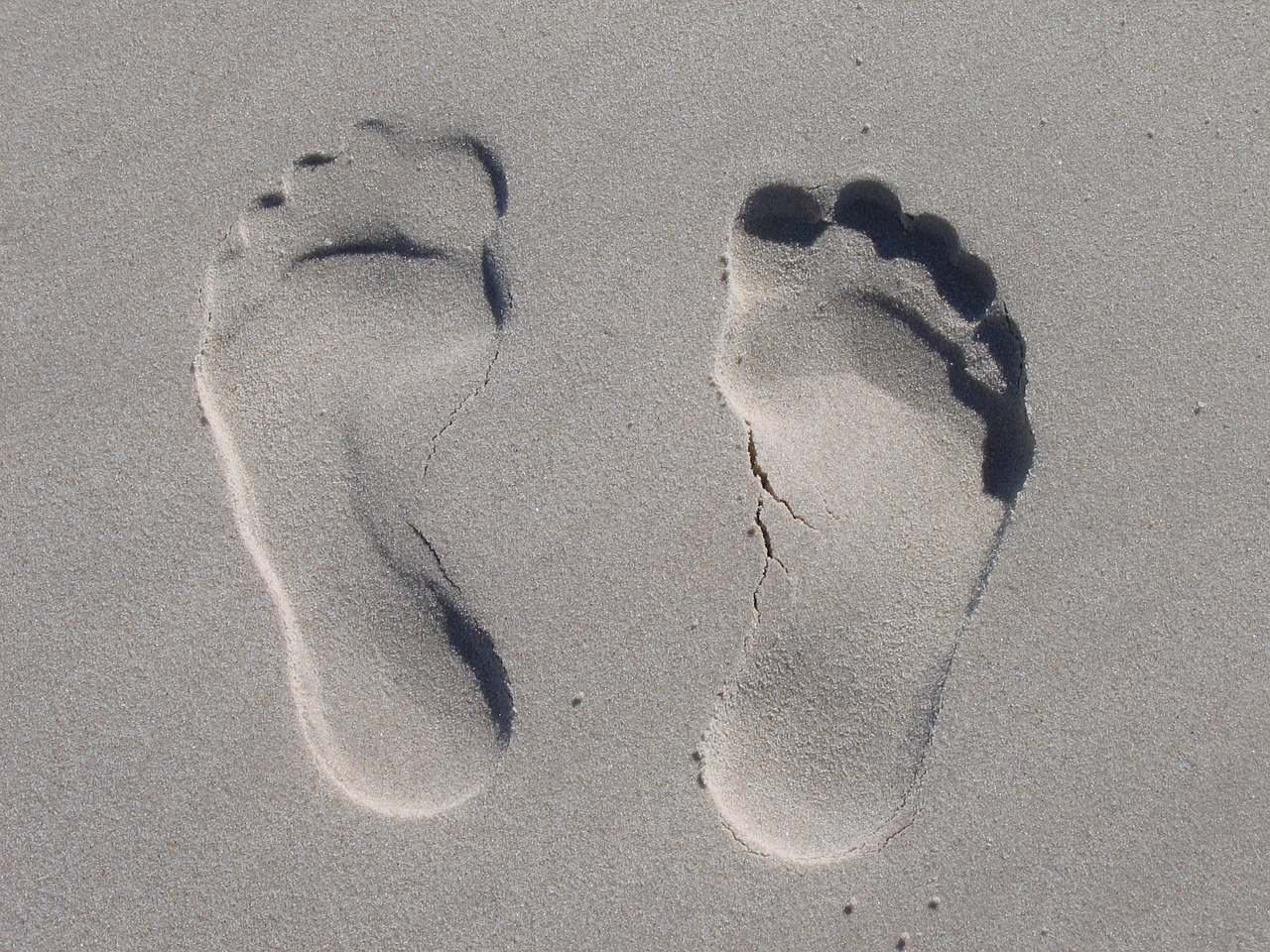
As a Feldenkrais Practitioner the lost connection of mankind with their feet is observable in every student’s posture that attends my Awareness through Movement Lessons. One series is called, “Balance and a Fear of Falling.” In one-on-one Functional Integration sessions, it is felt through the movement patterns themselves. After the first lesson in the focused movement class series there will usually be such a huge shift in the individual participants abilities to balance that some students will report this back in the second class. They also seem happy in sharing that there is a drop in their fear levels. I will witness class participants leave their canes behind at the end of the second and third classes which I have to remind them to take with them. By the fourth class they are coming without them.
So, what is the secret? The simplest answer is that Feldenkrais doesn’t focus on the strategy to fix a perceived problem. Most Practitioners don’t get caught up in the ego of philosophies where it becomes about the label, appearance, or fame by being in competition with other modalities. It can be corrupted by those Practitioners that do though who are trying to capture it’s elusive nature and fit it into the preexisting knowledge base of human concepts. Organic learning is not containable in the precepts of the human mind. Moshe was a scientist with a mind that loved to explore learning like an adventure. This is a key element that has been passed down in a good practitioner.
In the Balance class mentioned above our first focus in on feet. The cultural conditioning in our society has caused a lost connection with one and their feet. Time and time again I hear this disconnection in the stories I am told and that I visually see in one’s response to their own feet. Usually, the speaker addresses their feet as a separate part of themselves. They have no whole connection to them as being a whole part of themselves. This is typical of an analytical process thinker in my experience. Their body parts and functions will be expressed with an outside view in the manner of it being a third party and no attachment. Imagine standing on one’s feet with no attachment to their felt sense.
These cultural conditioning habits of our society are points brought to the surface of attention in our movement lessons, however the emphasis as a Practitioner is on aligning one’s felt senses to the micromovements in the bones associated with the feet. The emphasis is on cultivating awareness, not memorizing one pattern, as one needs many patterns when it comes to balancing.
Currently live group classes happen at #yyj’s Monterey Recreation Centre in Oak Bay. I also work with people privately in person, online, over the phone and yes even by text and email depending upon the needs and travel of students.
Past career segways into understanding the social and cultural conditioning of feet
After a challenging year and a half that ended with the loss of my father, my mother, my lover and letting go of the strong hold of my career, I entered into a year of grace. I landed in #yyj’s Greater Victoria Communities and began living on a sailboat at Fisherman’s Wharf after finally taking a career break never explored previously. This began a journey to reintegrate into my empathic nature and to understand it, Re-emerging into society from a year of retreats and learning with a focus on a new career direction as a store manager ended up being with a shoe chain. Working for Naturalizer as store manager for stores at both Hillside and Mayfair Malls became quite an opportunity to explore the human conditioning with one’s feet. In a deep empathetic state while viewing the shape of people’s feet had a giant impact. This experience is a key foundational understanding I tap into when working on balance and cultural conditioning with my students. I am not a salesperson by nature and couldn’t consciously sell to people something through manipulation, so it was a short career. Even the carrot of taking on Regional Manager for B.C. wasn’t far enough removed from that behavioural conditioning.
Upcoming Awareness through Movement Group Lesson Series
For Personal Functional Integration get in touch


1st Phase of Integration – Getting Started (Introduction & Pattern)
2nd Phase of Integration – Getting Intouch (Experiencing & Connection)
3rd Phase of Integration – Integration (Embodiment)
Follow the journey on Twitter, Instagram or Facebook






 Inside Awareness Center for Integrative Somatic Learning